
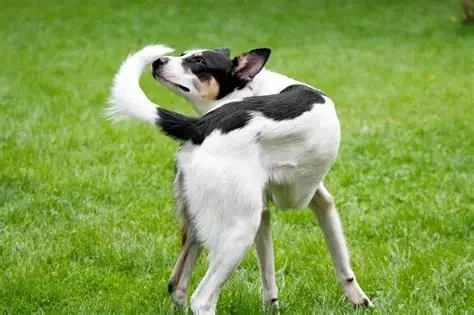
- Understanding Tail Chasing in Dogs
- Common Causes of Tail Chasing
- Health Issues That May Cause Tail Chasing
- Behavioral Reasons for Tail Chasing
- How to Address Tail Chasing in Dogs
- Real-World Case Study of Tail Chasing
1. Understanding Tail Chasing in Dogs
Tail chasing is a common behavior that many dog owners have observed at some point in their pet’s life. While it may appear to be a simple quirk or playful behavior, there can be underlying causes behind it. For some dogs, tail chasing may be a form of entertainment, while for others, it could be a sign of something more serious like a health issue or behavioral problem.

The Scottsdale Veterinary Clinic
ScottsdaleMaricopa CountyArizona
7311 E Thomas Rd Suite 100, Scottsdale, AZ 85251, USA
2. Common Causes of Tail Chasing
There are several reasons why dogs chase their tails. It’s important to differentiate between normal behavior and something that requires attention or intervention. Below are some of the most common causes behind this behavior.

VIP Petcare Vaccination Clinic
La GrangeOldham CountyKentucky
1806 Milestone Village, La Grange, KY 40031, USA
2.1- Play and Entertainment
For puppies, tail chasing can be a form of play. They are learning to interact with their bodies and exploring their surroundings. It’s completely normal for young dogs to chase their tails as they discover the fun in spinning around and trying to catch their own tail. In these cases, the behavior usually disappears as the dog matures.
2.2- Boredom and Lack of Stimulation
Dogs that are left alone for long periods or don't receive enough physical or mental stimulation may chase their tails as a coping mechanism. Tail chasing can become a repetitive behavior that helps them release pent-up energy and boredom. If a dog isn’t properly exercised or mentally challenged, they may resort to such actions to alleviate their restlessness.
2.3- Anxiety or Stress
Some dogs, particularly those with separation anxiety or general anxiety, may chase their tails as a form of self-soothing. Similar to how humans might fidget when nervous, tail chasing can be a way for dogs to calm themselves when they feel stressed. This type of behavior often worsens during times of change, like moving to a new home or being left alone for extended periods.
3. Health Issues That May Cause Tail Chasing
While tail chasing can be a playful behavior, it can also be linked to certain health problems. If a dog is experiencing pain or discomfort, they may chase their tail as a way to address the issue. Here are some health-related causes of tail chasing.
3.1- Fleas and Parasites
Fleas, ticks, and other parasites can cause intense itching or discomfort, leading a dog to chase their tail in an attempt to relieve the irritation. In some cases, dogs may focus on one area of their body, such as their tail, if it is more affected by fleas or parasites. Regular grooming and flea prevention are crucial to avoid this issue.
3.2- Allergies and Skin Irritations
Allergies can cause dogs to experience itching or irritation around their tail and other parts of the body. These can be caused by food allergies, environmental allergens (such as pollen or dust mites), or contact allergies (such as reactions to certain fabrics or cleaning products). If you suspect allergies, consulting with a veterinarian can help identify the underlying cause.
3.3- Pain or Injury
Tail chasing can also be a sign of pain, especially if a dog is suffering from an injury. If a dog is chasing their tail due to pain, it is often a sign that the tail or rear end is affected. In this case, it’s essential to have a vet evaluate the dog for any underlying health issues such as a sprain, fracture, or muscle strain.
4. Behavioral Reasons for Tail Chasing
Aside from medical causes, tail chasing can also stem from learned behaviors or compulsions. Some dogs develop a pattern of tail chasing that becomes more habitual and compulsive over time.
4.1- Obsessive-Compulsive Disorder (OCD)
In some dogs, tail chasing can evolve into a compulsive behavior, similar to obsessive-compulsive disorder (OCD) in humans. Dogs with OCD may engage in repetitive behaviors such as tail chasing, licking, or pacing. If left unaddressed, these behaviors can escalate and negatively impact the dog's overall well-being. Working with a professional dog trainer or behaviorist can help modify this behavior.
4.2- Reinforced Behavior
Sometimes, dogs learn that chasing their tails results in attention from their owners. If a dog’s tail chasing behavior is reinforced by the owner, either through positive attention or laughter, it can become a more frequent action. In these cases, it’s important for the owner to stop reinforcing the behavior and instead encourage other forms of play and interaction.
5. How to Address Tail Chasing in Dogs
While occasional tail chasing is normal, excessive or compulsive behavior should be addressed to ensure the dog’s well-being. Here are some steps to help manage and stop tail chasing in dogs.
5.1- Ensure Proper Exercise and Mental Stimulation
One of the best ways to prevent boredom-induced tail chasing is by providing your dog with enough physical exercise and mental stimulation. Regular walks, playtime, and puzzle toys can help keep your dog engaged and reduce the urge to chase their tail.
5.2- Consult a Veterinarian
If you suspect that the tail chasing is caused by a medical issue, such as pain, fleas, or allergies, it’s crucial to consult with a veterinarian. A professional can help diagnose the issue and recommend appropriate treatments, whether it’s flea prevention, medication, or further investigation into underlying health problems.
5.3- Behavioral Training
If the tail chasing becomes a compulsive behavior, consider working with a professional dog trainer or animal behaviorist. They can help you develop a training plan to address the root cause of the behavior and encourage healthier alternatives. Positive reinforcement and consistent redirection are key in modifying compulsive behaviors.
6. Real-World Case Study of Tail Chasing
Meet Daisy, a two-year-old Labrador Retriever who started chasing her tail after a stressful move to a new home. At first, her owners thought it was just a phase, but over time, Daisy’s tail chasing became more frequent. Her owners consulted with a veterinarian who discovered that Daisy had an allergy causing discomfort around her tail area. After treatment and adjustments to her diet, Daisy stopped chasing her tail and returned to her playful self.
6.1- Lessons Learned
Daisy’s story highlights the importance of not overlooking tail chasing as a simple quirk. When it becomes persistent or excessive, it’s crucial to investigate the cause. Regular vet check-ups and behavioral training can prevent this behavior from becoming a serious problem.
Conclusion
Tail chasing in dogs can be caused by a variety of factors, from boredom and anxiety to health issues or compulsive behavior. Understanding the underlying cause of your dog’s tail chasing is essential in addressing it effectively. Whether it’s providing more stimulation, seeking veterinary help, or working on behavioral training, taking action can help your dog live a happier, healthier life. For more expert advice on dog behavior and training, visit Pet & Puppy for helpful resources and product recommendations.






 Bellaire Animal Medical Center5.0 (35 reviews)
 Sun Valley Hope Animal Hospital4.0 (1205 reviews)
 Camden Veterinary Services4.0 (286 reviews)
 GoodVets Buckeye4.0 (128 reviews)
 Banfield Pet Hospital4.0 (189 reviews)
 Schure Adam C DVM5.0 (4 reviews)
 How to Safely Clean Your Pet's Ears and Prevent Ear Issues
 Best Canine Probiotics for a Healthy Gut
 Dealing with Separation Anxiety in Dogs & Cats: Tips and Solutions
 The Role of Exercise in Preventing Pet Obesity | Pet & Puppy
 How to Transition a Senior Pet to Easier-to-Eat Food: A Comprehensive Guide
 How to Create a Pet Health Journal: Metrics to Track for Better Pet Care