
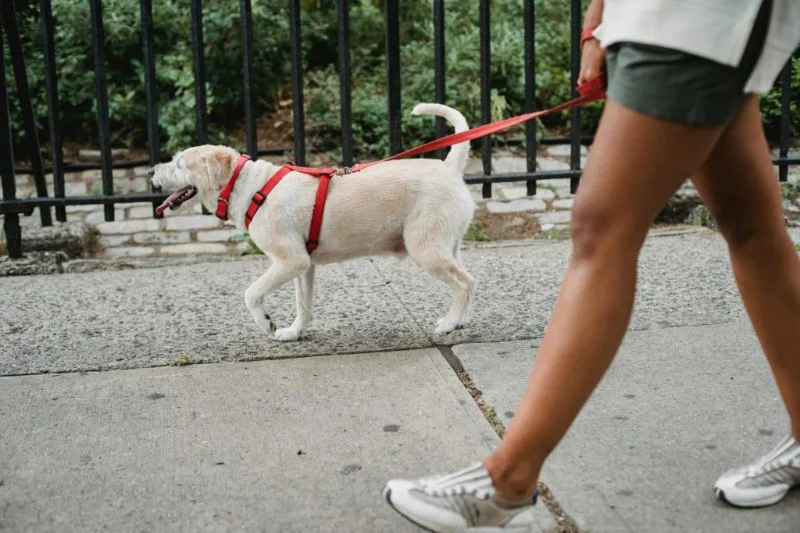
1. Understanding Why Your Dog is Limping
When your dog is limping, it’s usually a sign of discomfort or injury. Dogs are notorious for hiding their pain, so even if your dog is limping, it might not be immediately obvious that something is wrong. Limping can range from a mild issue that resolves on its own to a serious problem that requires medical attention. In this article, we’ll cover the common causes of limping in dogs and explain when you should see a vet to ensure your dog’s health and well-being.

2. Common Causes of Limping in Dogs
Limping in dogs can occur for a variety of reasons, from minor injuries to more serious health conditions. Understanding the underlying cause is key to determining the right course of action.

Oldham County Veterinary Services, LLC
La GrangeOldham CountyKentucky
2411 KY-53, La Grange, KY 40031, USA
2.1. Injuries and Trauma
One of the most common causes of limping is trauma or injury. Dogs are active animals, and whether they’re playing, running, or exploring, accidents can happen. A sprained or twisted leg, a cut on the paw, or even a fractured bone can cause limping. If your dog limps suddenly after an accident or rough play, this is likely the cause.
Common injuries that cause limping include:
- Sprained Ligaments: A strain or sprain to the ligaments can cause your dog to limp, especially after a vigorous activity.
- Fractures: A bone fracture, particularly in the leg, can cause a dramatic limp.
- Paw Injuries: Cuts, abrasions, or foreign objects lodged in the paw pads can cause discomfort and limping.
2.2. Arthritis and Joint Problems
Arthritis is a common condition, particularly in older dogs. It causes inflammation in the joints, leading to pain and stiffness. This is most noticeable when your dog limps after resting or when they first wake up. Arthritis can develop gradually, and you might not notice the limping until it becomes more severe.
Other joint-related issues that could cause limping include:
- Hip Dysplasia: This genetic condition affects the hip joint and can cause limping and discomfort, especially in large dog breeds.
- Elbow Dysplasia: Similar to hip dysplasia, this condition affects the elbow joint and can cause lameness in dogs.
2.3. Infections and Diseases
Sometimes, limping can be the result of infections or diseases that affect your dog’s bones or joints. These conditions may require immediate attention from a vet to prevent further complications.
- Bone Infections (Osteomyelitis): Infections in the bones can cause severe pain and limping, often accompanied by swelling or redness around the affected area.
- Lyme Disease: Transmitted through tick bites, Lyme disease can lead to joint pain and lameness, particularly in the legs.
2.4. Soft Tissue Injuries
In some cases, limping can be caused by soft tissue injuries like tendonitis or muscle strains. These injuries often occur due to overuse or sudden movements, especially in active dogs or those involved in sports or agility training. Soft tissue injuries may cause mild to moderate limping, depending on the severity of the strain or inflammation.
3. When to See a Vet
While some cases of limping in dogs resolve on their own, it’s important to know when to seek professional help. If you notice any of the following signs, it’s time to schedule a visit to the vet:
3.1. Persistent Limping
If your dog’s limp persists for more than a day or two, it’s important to have them evaluated by a vet. Lingering limping could indicate a more serious injury or condition that requires treatment.
3.2. Swelling or Heat
If you notice swelling, heat, or redness around the affected leg or joint, this could indicate an infection or inflammation that needs medical attention.
3.3. Inability to Bear Weight
If your dog is unable to put any weight on the affected leg or seems to be in severe pain when trying to walk, it’s a sign of a potentially serious injury, such as a fracture or dislocated joint.
3.4. Changes in Behavior
If your dog is showing signs of pain, such as whining, growling, or avoiding movement, this could be an indication that they’re in distress and need medical intervention.
4. Real-Life Story: A Dog's Road to Recovery
One pet owner shared the story of their dog, Max, a lively Golden Retriever, who suddenly started limping after an afternoon of playing fetch. At first, they thought it was just a minor sprain, but when Max continued limping for several days, they took him to the vet. The vet discovered that Max had strained his ligament, and with rest and physical therapy, he was able to recover fully. This story highlights the importance of paying attention to your dog’s limping and seeking timely veterinary care when necessary.
5. Learn More with Pet & Puppy
If you’re concerned about your dog’s health or need advice on how to care for a limping dog, visit Pet & Puppy. Our platform offers expert pet care tips, products, and services to help you keep your furry friend happy and healthy. From orthopedic beds to pain relief supplements, we have everything you need to support your dog’s recovery and overall well-being.






 West Michigan Street Veterinary Clinic4.0 (2027 reviews)
 Dr D's For Dogs5.0 (3 reviews)
 Dayton Humane Veterinary Hospital4.0 (147 reviews)
 UrgentVet4.0 (184 reviews)
 Oak Crest Animal Hospital4.0 (60 reviews)
 Shelbyville Road Veterinary Clinic4.0 (437 reviews)
 How to Help a Pet Recover After Spay/Neuter Surgery
 How to Calm a Nervous Pet During a Thunderstorm or Fireworks – Expert Tips
 How to Save Money on Pet Medical Costs Without Cutting Quality
 Managing Resource Guarding Behavior in Dogs: Practical Solutions for Pet Owners
 The Hidden Dangers in Common Pet Supplies: What You Need to Know
 How Pet Recovery Rooms Are Being Designed in Modern Clinics