
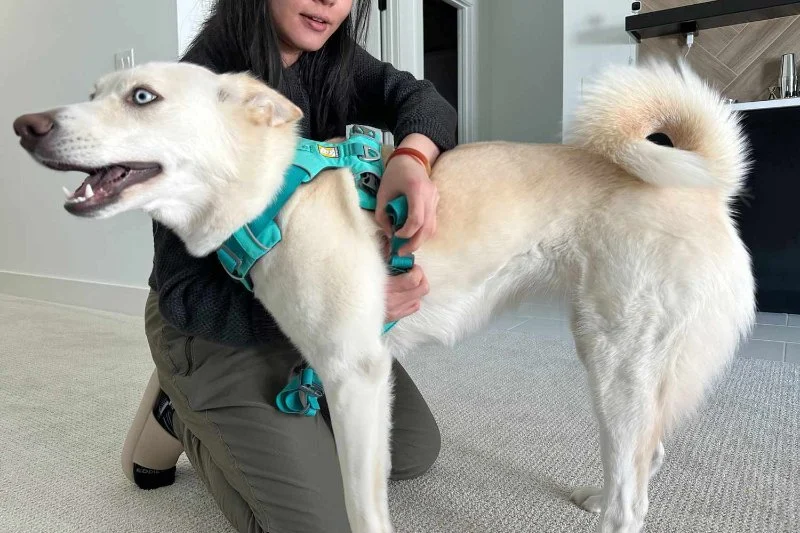
- 1-Why-Dog-Harnesses-Matter
- 2-Types-of-Dog-Harnesses
- 3-Measuring-Your-Dog-for-a-Perfect-Fit
- 4-Features-to-Look-For-in-a-Comfortable-Harness
- 5-Top-Recommended-Dog-Harnesses
- 6-Training-and-Acclimating-Your-Dog
- 7-Special-Considerations-for-Small-or-Large-Breeds
- 8-Real-Life-User-Experiences
- 9-Maintenance-and-Care-Tips
- 10-Choosing-the-Right-Harness-for-Your-Dog
- 11-Final-Advice-and-Product-Recommendations
1. Why Dog Harnesses Matter
A dog harness plays a critical role in both safety and comfort during walks. Unlike collars, harnesses distribute pressure across the dog’s chest and shoulders, preventing neck strain and reducing the risk of injury. They also provide better control for owners, especially for dogs that pull or are highly energetic.
Beyond physical safety, a well-designed harness contributes to a dog’s overall walking experience, ensuring they feel comfortable, secure, and confident during every outing.

Bedford Veterinary Medical Centre
515 Oolitic Rd, Bedford, IN 47421, USA
2. Types of Dog Harnesses
Understanding the different types of harnesses helps you choose the right one for your dog:
- Back-clip harness: Ideal for small to medium dogs, this harness has the leash attachment on the back, reducing pulling but offering moderate control.
- Front-clip harness: Designed to discourage pulling by redirecting the dog’s motion, perfect for larger or strong dogs.
- Step-in harness: Easy to wear, especially for anxious or wriggly dogs, providing quick adjustments and secure fit.
- Vest-style harness: Padded and comfortable, offering full chest coverage, suitable for long walks or cold weather.
Selecting the type depends on your dog’s size, behavior, and walking needs.

3. Measuring Your Dog for a Perfect Fit
Accurate measurement ensures a comfortable and secure fit:
- Measure around the dog’s chest at the widest point, typically just behind the front legs.
- Measure the girth around the neck to avoid overly tight or loose straps.
- Check for adjustability to accommodate growth or seasonal weight changes.
- Ensure there’s enough space to fit two fingers between the harness and the dog’s body.
Proper fit prevents chafing, enhances control, and allows freedom of movement for natural walking posture.
4. Features to Look For in a Comfortable Harness
When selecting the best dog harness for a comfortable fit, consider:
- Padded straps and chest plates for reduced friction
- Durable, breathable materials like nylon mesh or soft neoprene
- Adjustable straps with secure buckles
- Multiple leash attachment points for versatility
- Reflective elements for nighttime visibility
These features ensure long-term comfort, safety, and convenience for both dog and owner.
5. Top Recommended Dog Harnesses
Based on expert reviews and owner feedback, top picks for 2026 include:
- PawSafe Adjustable Padded Harness — great for medium and large dogs
- ComfyWalk Step-In Harness — easy for small breeds and seniors
- Reflective Vest Harness — ideal for night walks and cold climates
- Front-clip Anti-Pull Harness — excellent for training and strong pullers
- Pet & Puppy Premium Mesh Harness — combines comfort and durability
These selections offer a balance between safety, comfort, and ease of use.
6. Training and Acclimating Your Dog
Introducing a harness requires patience and positive reinforcement:
- Allow the dog to sniff and explore the harness before wearing it.
- Start with short indoor sessions, gradually increasing walk durations.
- Reward calm behavior and remove the harness if the dog becomes stressed.
- Consistency ensures the dog associates the harness with positive experiences.
Proper acclimation reduces resistance and encourages enjoyable walks for both dog and owner.
7. Special Considerations for Small or Large Breeds
Small breeds require lightweight harnesses with secure, soft straps to prevent chafing, while large breeds benefit from robust, reinforced harnesses with front-clip options to manage strength and pulling. Adjustable sizing and padded straps are essential across all sizes to maintain comfort and prevent injuries.
8. Real-Life User Experiences
For example, a Labrador owner shared that switching from a collar to a front-clip harness significantly reduced pulling and improved evening walks. Meanwhile, a small Pomeranian enjoyed wearing a vest-style harness during winter, which added warmth and comfort while providing a secure fit. Real-life experiences emphasize that choosing the correct harness type and fit directly impacts daily walking enjoyment and safety.
9. Maintenance and Care Tips
Keeping harnesses clean and functional is essential:
- Hand wash or machine wash as per manufacturer instructions
- Air dry to prevent material damage
- Regularly check buckles, straps, and stitching for wear
- Replace harnesses showing signs of fraying or weakened materials
Routine care ensures durability, hygiene, and consistent comfort for your dog.
10. Choosing the Right Harness for Your Dog
Selecting the right harness depends on:
- Your dog’s size, breed, and activity level
- Behavior, such as pulling or anxiety during walks
- Specific needs like night visibility or water-resistant material
- Ease of putting on and removing the harness
Matching these factors ensures a safe and enjoyable experience every time you walk your dog.
11. Final Advice and Product Recommendations
The best dog harnesses for a comfortable fit combine safety, durability, and comfort. Consider padded straps, adjustable sizing, and proper training to acclimate your dog. For the latest harness options, expert reviews, and product guides, visit Pet & Puppy. Using these insights will help you choose the right harness, ensuring enjoyable, safe, and comfortable walks for you and your furry companion every day.



 VCA El Mirage Animal Hospital4.0 (279 reviews)
 Birds, and Then Some!4.0 (376 reviews)
 Lovet Pet Health Care - Bell Ridge4.0 (587 reviews)
 OG Pet Shop5.0 (3 reviews)
 PetVet Vaccination Clinic0.0 (0 reviews)
 Banfield Pet Hospital4.0 (230 reviews)
 DIY Frozen Treats for Pets: Recipes & Safety Tips
 3D Imaging & Pet Diagnostics: What You Should Know
 How to Handle Cat Scratching Behavior: Effective Deterrents & Alternatives
 Why Do Dogs Groom Themselves After Eating? Understanding the Behavior
 Why Some Pets Reject New Food & How to Smooth the Transition
 Best Dog Food for Sensitive Skin and Coat Health