
How to Introduce Your Pet to Water & Swimming
- Why Introducing Your Pet to Water is Important
- Steps for Introducing Your Pet to Water
- Tips for Teaching Your Pet to Swim
- Common Mistakes to Avoid When Teaching Your Pet to Swim
- Real-Life Experiences with Pets and Water
1. Why Introducing Your Pet to Water is Important
Water activities, particularly swimming, can be a fun and beneficial experience for pets, especially dogs. Not only does swimming provide excellent physical exercise, but it also helps in building confidence and reducing anxiety in pets. Whether you have a high-energy breed or a pet that enjoys the outdoors, water activities offer great opportunities for bonding and mental stimulation.
Introducing your pet to water at an early age or when they are comfortable with the experience can ensure they enjoy the water safely. For pets who are not naturally inclined to water, the introduction process should be gradual and positive to avoid fear or distress. Additionally, for dogs that love water, teaching them how to swim can be a great way to tire them out, especially during warmer months when they need more exercise.

VIP Petcare Vaccination Clinic
Apache JunctionPinal CountyArizona
1477 W Apache Trail, Apache Junction, AZ 85120, USA
2. Steps for Introducing Your Pet to Water
Introducing your pet to water requires patience and consistency. Here’s a step-by-step guide to make the process smoother and more enjoyable for your pet:

Animal Care Center at Anderson
8094 Beechmont Ave, Cincinnati, OH 45255, USA
2.1 Start Slow and Positive
Start by introducing your pet to shallow water in a calm and quiet environment. If you're introducing your dog to a pool, avoid the deep end at first. Let your pet explore the water at their own pace while offering positive reinforcement, like treats or praise, to build positive associations with water.
2.2 Use a Leash or Harness
If you're near a pool or lake, it's important to keep your pet on a leash or harness in the beginning. This helps you maintain control and provides reassurance to your pet as they adjust to the water. Gently guide them into the shallow area, but avoid forcing them into the water. Let them enter on their own if possible.
2.3 Encourage Play in the Water
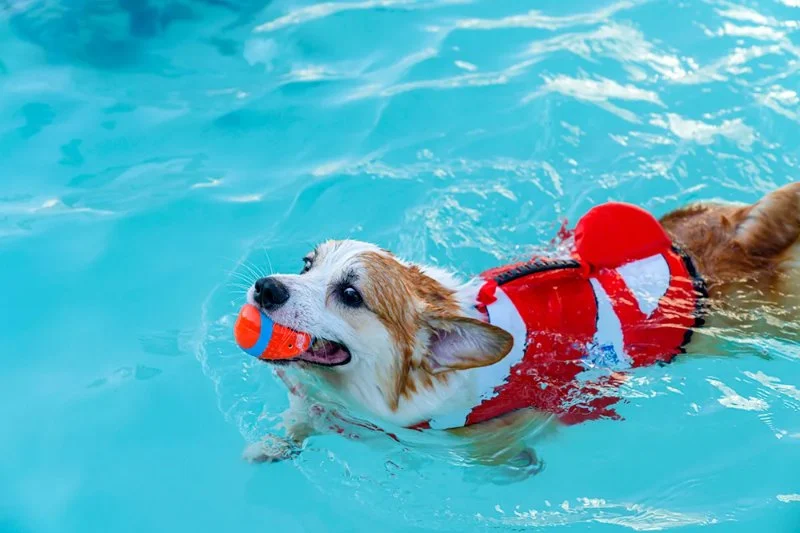
Once your pet is comfortable with their paws in the water, encourage play by tossing their favorite toy into the shallow water. This can distract them from any anxiety they may feel about being in the water. Use a floating toy to help them get used to the sensation of moving in water, as it can be easier for them to navigate.
2.4 Gradually Increase Depth
As your pet becomes more comfortable, slowly increase the depth of the water. You can start by standing in the water with them to provide support and security. If you’re introducing them to a pool, the first few times should be short sessions, with you being present for their safety and comfort.
2.5 Allow Time for Breaks
Introducing your pet to water can be tiring, especially during the first few sessions. Allow your pet to take breaks, and don't rush the process. Each pet will have their own pace, so be patient and let them enjoy the experience without overwhelming them.
3. Tips for Teaching Your Pet to Swim
Once your pet is comfortable in the water, it's time to start teaching them how to swim. Here are some helpful tips to make the learning process easier and more enjoyable:
3.1 Start with a Safe, Calm Environment
Start teaching your pet to swim in a calm and safe environment. A quiet pool or shallow, still lake is ideal. Avoid areas with strong currents or waves, as these can make the experience stressful for your pet. You want your pet to feel safe and secure as they begin learning how to swim.
3.2 Support Your Pet’s Body
When your pet is first learning to swim, gently support their body with your hands or by using a pet-friendly flotation device. This will help them feel secure and prevent panic as they try to find their balance in the water. Gradually reduce your level of support as they gain confidence and strength.
3.3 Use Positive Reinforcement
Throughout the swimming lessons, provide plenty of positive reinforcement. Praise and reward your pet with treats whenever they make progress, whether it’s paddling in the water or staying afloat. Positive reinforcement encourages your pet to associate swimming with fun and rewards.
3.4 Be Patient and Consistent
Like any new skill, swimming requires time and patience. Keep training sessions short and enjoyable, and ensure consistency so your pet can build confidence in the water. With regular practice, your pet will gradually become more proficient and comfortable swimming.
4. Common Mistakes to Avoid When Teaching Your Pet to Swim
While introducing your pet to water can be a fun and rewarding experience, there are a few common mistakes pet owners should avoid:
4.1 Forcing Your Pet into Water
One of the biggest mistakes you can make is forcing your pet into the water. This can create negative associations and increase anxiety around water. Instead, let your pet explore at their own pace and offer encouragement as needed.
4.2 Ignoring Safety
Safety should always come first when teaching your pet to swim. Always supervise them while they are in the water, and make sure to use a harness, leash, or flotation device when needed. Never leave your pet unattended around water, even if they seem confident swimming.
4.3 Overexerting Your Pet
It’s important to avoid overexerting your pet during swimming sessions. Too much time in the water can lead to exhaustion and stress. Make sure to provide regular breaks and monitor their energy levels to ensure a positive experience.
5. Real-Life Experiences with Pets and Water
Here are a couple of real-life stories from pet owners who successfully introduced their pets to water:
5.1 Jenny’s Puppy Learning to Swim
Jenny, a dog owner from California, had a puppy named Max who was initially terrified of water. With gentle encouragement and patience, Jenny introduced Max to a shallow kiddie pool and gradually increased the depth. Within a few weeks, Max was happily swimming and playing in the water. Jenny credits the slow, positive approach for Max’s successful introduction to swimming.
5.2 Michael’s Rescue Dog Becomes a Water Lover
Michael adopted a rescue dog named Buddy, who was unsure about water. Michael started with shallow water and used a floating toy to make the experience fun. Over time, Buddy became a confident swimmer and now enjoys swimming in the lake with Michael during the summer months.
Introducing your pet to water and teaching them to swim can be a wonderful experience for both of you. By following the right steps and maintaining patience, your pet can learn to enjoy the water safely. For more tips and products to help with pet training, visit Pet & Puppy for expert advice and recommendations.






 VIP Petcare Vaccination Clinic0.0 (0 reviews)
 The Pet Wellness Group: Florence4.0 (329 reviews)
 VCA El Mirage Animal Hospital4.0 (279 reviews)
 Breed All About It. LLC4.0 (14 reviews)
 Soria Petshop4.0 (41 reviews)
 Bullitt County Veterinary Center4.0 (216 reviews)
 How to Transition a Senior Pet to Easier-to-Eat Food: A Comprehensive Guide
 How to Advocate for Your Pet’s Health: What Owners Should Know
 How to Choose the Right Pet Supplement Brand: Essential Tips for Pet Owners
 Essential Vitamins & Minerals Pets Need for Healthy Living
 Understanding Pet Insurance: What Is and Isn’t Covered
 Freeze-Dried" Pet Food Trend: Is It Worth It?