
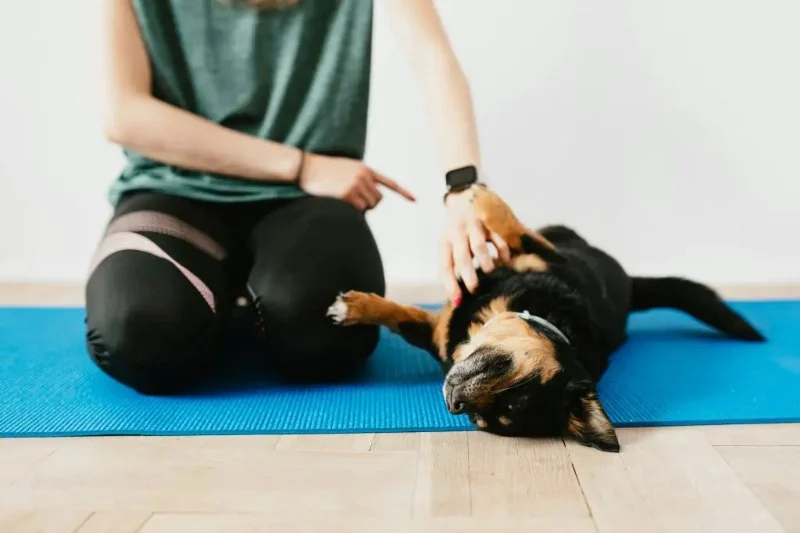
Effective Strategies to Train Dogs to Stay Calm in Busy Environments
- 1 - Understanding Your Dog's Behavior
- 2 - Start With Basic Obedience Training
- 3 - Gradual Exposure to Busy Environments
- 4 - Use Positive Reinforcement Techniques
- 5 - Implementing Leash Control and Boundaries
- 6 - Recognizing Stress Signs in Your Dog
- 7 - Practical Exercises for Calming Dogs
- 8 - Socialization With People and Other Dogs
- 9 - Consistency and Patience in Training
- 10 - Tools and Products to Assist Training
- 11 - Common Challenges and How to Overcome Them
- 12 - Real-Life Success Stories
- 13 - Maintaining Calm Behavior Over Time
- 14 - Professional Help and Resources
- 15 - Final Tips for Owners
1 - Understanding Your Dog's Behavior
Before training your dog, observe its natural tendencies. Some dogs are more excitable and anxious in crowded places. Recognizing your dog’s triggers, such as loud noises, strangers, or other animals, is essential to developing a successful calming strategy.

2 - Start With Basic Obedience Training
Teaching basic commands like sit, stay, and come forms the foundation for calm behavior. Consistent training at home or in quiet areas helps your dog learn to follow directions, which is crucial when distractions increase in busy environments.

3 - Gradual Exposure to Busy Environments
Begin training by introducing your dog to slightly busier areas with low traffic. Gradually increase the level of activity and noise while maintaining control. This stepwise approach helps your dog adapt without becoming overwhelmed or stressed.
4 - Use Positive Reinforcement Techniques
Reward calm behavior using treats, verbal praise, or petting. Positive reinforcement strengthens the desired behavior and encourages your dog to remain composed even when surrounded by distractions.
5 - Implementing Leash Control and Boundaries
Use a sturdy leash and practice proper leash handling to guide your dog. Leash control allows you to manage sudden impulses and prevent anxious reactions in crowded spaces, ensuring both safety and calm behavior.
6 - Recognizing Stress Signs in Your Dog
Learn to identify signs of stress, such as panting, whining, pacing, or trembling. Early recognition allows you to intervene promptly, offering reassurance or removing your dog from the stressful situation before behaviors escalate.
7 - Practical Exercises for Calming Dogs
Incorporate exercises like structured walks, “look at me” commands, and controlled sit-and-stay drills. These practices train focus and self-control, helping your dog remain calm even amid distractions and busy surroundings.
8 - Socialization With People and Other Dogs
Socialization is key to confidence and calmness. Introduce your dog to a variety of people, dogs, and environments in controlled settings. Positive experiences reduce anxiety and help your dog navigate crowded areas without stress.
9 - Consistency and Patience in Training
Training for calmness takes time. Maintain consistent routines, commands, and expectations. Patience ensures your dog understands the desired behavior and gradually internalizes calm responses, even in busy environments.
10 - Tools and Products to Assist Training
Consider tools such as harnesses, calming vests, or interactive toys to support training. These products can help reduce anxiety, reinforce positive behavior, and make training sessions more effective and enjoyable.
11 - Common Challenges and How to Overcome Them
Common challenges include overexcitement, distractions, or fear responses. Address these with structured training, gradual exposure, and reinforcement techniques. Consistently adjusting your approach ensures better outcomes over time.
12 - Real-Life Success Stories
Case studies from dog owners demonstrate how gradual exposure, positive reinforcement, and consistent routines helped their pets remain calm in busy parks, city streets, and crowded events. These examples provide practical insights and inspiration.
13 - Maintaining Calm Behavior Over Time
Even after mastering calm behavior, ongoing practice is essential. Regular exposure to busy environments, refresher training sessions, and monitoring of stress signs help maintain composure over the long term.
14 - Professional Help and Resources
If challenges persist, seek guidance from professional dog trainers or behaviorists. Online resources, classes, and workshops can provide structured support. Pet & Puppy offers expert tips and tools to help your dog succeed.
15 - Final Tips for Owners
Success in training dogs to remain calm in busy environments requires observation, patience, and consistency. Use positive reinforcement, gradually expose your dog to stimuli, and celebrate small victories. With dedication, your dog can enjoy public spaces with confidence and composure.



 Puppies N Love4.0 (804 reviews)
 River Valley Equine Services2.0 (14 reviews)
 Tropical Treasures4.0 (919 reviews)
 Grove Veterinary Clinic4.0 (459 reviews)
 All-Star Animal Hospital4.0 (665 reviews)
 VIP Petcare Vaccination Clinic0.0 (0 reviews)
 The Hidden Dangers in Common Pet Supplies: What You Need to Know
 How to Prevent Urinary Tract Infections in Dogs | Essential Tips for Pet Owners
 Best Dog Harnesses for Everyday Activities
 How Climate Change Is Affecting Pet Health Today
 Drones & Robotics in Pet Care: What’s Possible Now
 How to Read the Guaranteed Analysis on Pet Food Labels – A Guide for Pet Owners