
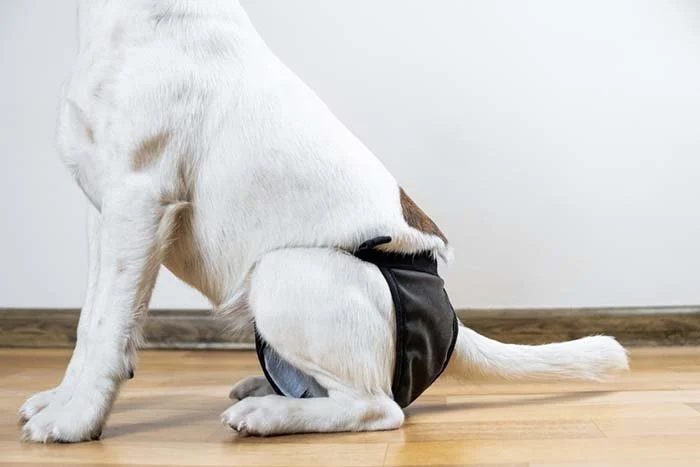
- -what-to-do-when-your-dog-has-bladder-issues
- -recognizing-symptoms-of-dog-urinary-problems
- -diagnosis-and-veterinary-care-for-dogs
- -treatment-options-and-home-care-tips
- -real-life-experiences-and-preventive-measures
1. Recognizing Symptoms of Dog Bladder Issues
Bladder problems in dogs can range from urinary tract infections (UTIs) to bladder stones or more severe conditions like incontinence or kidney disease. Common signs include frequent urination, accidents in the house, blood in the urine, straining while urinating, and excessive licking of the genital area. Early recognition is crucial to prevent complications.
For instance, Max, a seven-year-old Labrador, began urinating more frequently and sometimes appeared uncomfortable. His owner noticed these changes promptly and sought veterinary care, preventing a more serious infection from developing.

2. Diagnosis and Veterinary Care
2.1 Veterinary Examination
A veterinarian will conduct a physical exam and may perform urine tests, blood work, and imaging such as X-rays or ultrasounds to determine the underlying cause of bladder issues. Identifying whether the problem is bacterial, structural, or related to other health conditions ensures targeted treatment.

Palm Valley Animal Clinic
GoodyearMaricopa CountyArizona
2520 N Litchfield Rd, Goodyear, AZ 85395, USA
2.2 Common Conditions Detected
Frequent diagnoses include urinary tract infections, bladder stones, incontinence, and sometimes tumors. Understanding the specific condition allows for a tailored approach to therapy, including medications or dietary adjustments.
3. Treatment Options and Home Care
3.1 Medications
Antibiotics are commonly prescribed for bacterial infections, while anti-inflammatory medications or pain relief may be necessary for discomfort. Your veterinarian will determine the correct dosage and duration based on the dog’s size, age, and condition.
3.2 Dietary Management
Specialized diets may help prevent bladder stones or recurrent infections. Adequate water intake and regular feeding schedules support urinary health.
3.3 Home Care and Monitoring
Monitoring your dog’s urination habits, keeping the genital area clean, and ensuring frequent opportunities to urinate outside are essential. Note any changes in behavior or urine appearance and report them promptly to your veterinarian.
4. Real-Life Experiences and Preventive Measures
4.1 Patient Stories
Sasha, a 10-year-old Beagle, developed a UTI after her owner delayed seeking veterinary care. Prompt treatment resolved the infection, and the owner implemented preventive strategies like increased water intake and more frequent walks to reduce recurrence.
4.2 Preventive Tips
- Encourage regular urination by taking your dog outside frequently.
- Provide clean, fresh water at all times.
- Maintain a balanced diet recommended by your veterinarian.
- Schedule routine veterinary check-ups to detect early signs of urinary issues.
- For trusted guidance on managing canine bladder health, Pet & Puppy offers curated products, dietary recommendations, and professional tips.
4.3 Key Takeaways
Early recognition, prompt veterinary care, and proactive home management are essential when dealing with dog bladder issues. With attentive care, most urinary problems can be resolved and future complications minimized.




 Palm Glen Animal Hospital4.0 (1281 reviews)
 k9 Waves5.0 (21 reviews)
 Little Critters Veterinary Hospital4.0 (347 reviews)
 Riverside Animal Clinic4.0 (205 reviews)
 Central Kentucky Veterinary Center4.0 (555 reviews)
 Hayes Veterinary Service4.0 (99 reviews)
 Monitoring Pet Weight: Tools & Strategies for a Healthy Pet
 How Pet Startups Are Disrupting Traditional Vet Care
 What to Do When Your Dog Has Bladder Issues
 How to Use Behavior Tracking Apps for Pets: Monitor Health & Behavior
 Why Do Dogs Sniff the Ground So Much?
 Explaining Pet Wellness Plans vs Traditional Vet Visits