
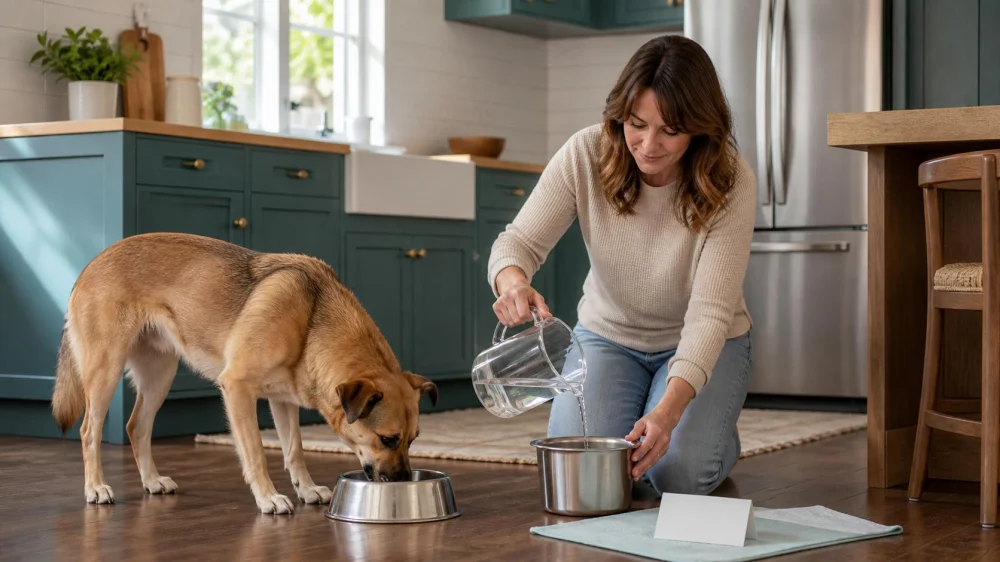
Pet Drinking More Water: Measure, Never Restrict, Call the Vet
A pet that suddenly empties the water bowl, seeks unusual water sources, urinates more, or has accidents may need veterinary evaluation. Heat and activity can increase thirst, but diabetes, kidney disease, infection, medications, and other conditions can also change drinking. Keep fresh water available, record the pattern, and call the veterinarian instead of restricting access or diagnosing at home.
Quick answer
Do not remove or ration water unless a veterinarian gives case-specific instructions. Note when the change began, how often the bowl is refilled, urination frequency, accidents, appetite, weight, energy, vomiting, diarrhea, and current medicines. If practical, measure water offered and left over for a full day without disrupting normal access. Call the veterinary clinic with the log and arrange evaluation, especially when the change persists or accompanies illness.
Observe the whole pattern
Compare the pet with its own normal routine. Watch for longer drinking sessions, repeated returns to the bowl, empty bowls overnight, drinking from toilets or puddles, larger urine clumps, more frequent walks, straining, leakage, or wet bedding. Record whether the weather, exercise, diet, household routine, or bowl location changed.
Also note appetite, weight, breath, coat, sleep, mobility, panting, vomiting, diarrhea, and behavior. Increased thirst is a sign, not a diagnosis. A veterinarian may need an examination plus blood and urine tests to identify the cause.
Locust Trace Veterinary Clinic Lexington KY
LexingtonFayette CountyKentucky
3591 Leestown Rd, Lexington, KY 40511, USA
Measure safely
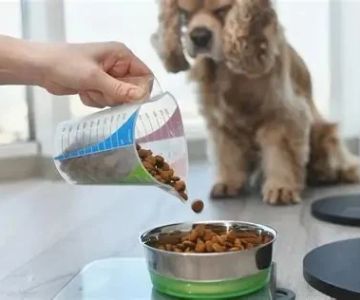
Use the same marked measuring container to fill a clean bowl and record the starting volume and time. At the end of the observation period, measure what remains and add any refills. Account for spills, evaporation, ice, wet food, outdoor bowls, and water used to give medicine.
Do not force a target amount or delay a thirsty pet to improve the measurement. A short, imperfect record is safer than restricting access. The veterinarian will interpret intake in light of body weight, diet, activity, temperature, health, and medication.
Manage shared bowls
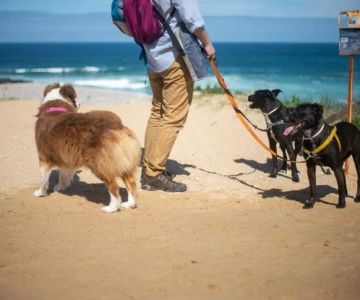
In a multi-pet home, shared bowls make an individual total unreliable. Ask the clinic whether a brief, supervised separation with separate bowls is appropriate. Keep each pet comfortable, visible, and able to drink freely; do not isolate an anxious animal or disrupt medical needs just to collect data.
Video from a home camera may help identify which pet is visiting the bowl, but protect household privacy and do not rely on footage instead of veterinary care. Individual water fountains with counters can miss splashing and shared use.
Build a useful log
Write the date, start and end times, pet’s current weight if known, water offered, refills, amount left, spills, food type, activity, temperature, medicines, and urine observations. Photograph the bowl or measuring marks only if useful; avoid guessing decimals that the container cannot show.
List prescription drugs, over-the-counter products, supplements, recent injections, and any dose changes. Some treatments affect thirst or urination, but do not stop them on your own. Bring the original labels or a current medication list to the visit.
Avoid unsafe responses
Never restrict water to stop accidents, reduce urination, or test whether the pet “really needs it.” Do not add salt, flavorings, electrolyte products, herbal remedies, or human medicines. Do not give insulin, diuretics, antibiotics, or another pet’s prescription.
Prevent access to toilets containing cleaners, pools, seawater, antifreeze, fertilizers, puddles, and other unsafe sources while maintaining clean fresh water. If toxin exposure is possible, call a veterinarian or animal poison control immediately and do not induce vomiting unless directed.
Call the veterinarian
Call when drinking or urination is clearly above normal, repeatedly wakes the household, causes accidents, or continues beyond a brief heat or activity change. Contact the clinic sooner for puppies, kittens, seniors, pregnant pets, pets with chronic disease, or animals taking medicines that affect kidneys, hormones, or fluid balance.
Describe the trend rather than demanding a diagnosis from one number. Ask whether the pet should be seen the same day, whether a urine sample is needed, and how to collect it without contamination.
Recognize urgent signs
Seek urgent veterinary care for weakness, collapse, repeated vomiting, refusal of food, severe lethargy, trouble breathing, seizures, a swollen or painful abdomen, blood in urine, straining with little or no urine, or inability to keep water down. These signs can accompany serious dehydration, obstruction, toxin exposure, or metabolic illness.
For a pet with diabetes, increased thirst with vomiting, weakness, poor appetite, or dehydration can signal a dangerous complication. Follow the established emergency plan and contact the veterinarian immediately; do not adjust insulin without instructions.
Prepare for the visit
Bring the timeline, intake log, medication list, diet details, recent weight changes, urine observations, and relevant photos. Tell the clinic about cleaning chemicals, plants, human medicines, supplements, and environmental exposures. Transport cats in a secure carrier and dogs on a secure leash or in a carrier.
Continue normal water access during travel unless the veterinarian directs otherwise. If a sample is requested, label it with pet name, date, and time and follow the clinic’s storage instructions.
Frequently asked questions
Can hot weather explain it?
Heat and activity may increase thirst, but a marked or persistent change still deserves a veterinary call.
Should I remove the bowl overnight?
No, not unless the veterinarian provides specific instructions for this pet.
Is one day of measurement enough?
It can provide a starting point. The clinic decides whether longer monitoring is useful.
Can wet food affect the total?
Yes. Record food type because moisture in food contributes to intake.
Next steps
Refresh the water, begin a simple time-stamped log, list all medicines, and call the veterinary clinic with the change and any accompanying signs. Do not delay care to produce a perfect measurement.
See Cornell University College of Veterinary Medicine guidance on increased drinking and urination in dogs.
 All Pets Animal Hospital4.0 (299 reviews)
 Veterinary Wellness Center4.0 (72 reviews)
 Westside Animal Hospital4.0 (225 reviews)
 Glendale Animal Hospital4.0 (479 reviews)
 Dermatology for Animals - Queen Creek5.0 (1 reviews)
 VCA McCormick Ranch Animal Hospital and Emergency Center3.0 (154 reviews)
 Managing Chronic Conditions in Pets: Essential Diet, Medication & Lifestyle Tips
 The Best Dog Grooming Clippers for At‑Home Grooming
 Why Dogs Lick People and What It Means: A Complete Guide
 How to Help a Dog With Sensitive Ears: Care Tips Every Owner Should Know
 How Heatstroke Affects Pets: Symptoms, Prevention, and Emergency Action
 Pet Scents & Aromatherapy: What’s Safe and What’s Not