
Using Reward Schedules in Long-Term Training for Effective Learning
- What Are Reward Schedules and Why Are They Important?
- Different Types of Reward Schedules
- How to Apply Reward Schedules in Long-Term Training
- Case Study: Using Reward Schedules in Puppy Training
- Why Choose Pet & Puppy for Your Training Needs?
What Are Reward Schedules and Why Are They Important?
Reward schedules are systematic methods used in behavior modification, particularly in long-term training. They involve delivering rewards after a specific number of correct behaviors or within certain time intervals. Reward schedules are vital because they help sustain motivation and improve learning outcomes over time, especially when training animals or individuals for long-term success.

GoodVets Buckeye
19591 W Indian School Rd Suite 105, Buckeye, AZ 85396, USA
Different Types of Reward Schedules
There are several types of reward schedules that can be used depending on the desired training outcomes. Here are the most common types:
- Continuous Reinforcement: In this schedule, a reward is given every time a correct behavior is performed. This method is useful in the initial stages of training to establish the behavior.
- Fixed Ratio (FR) Schedule: A reward is provided after a fixed number of correct responses. For example, a dog might receive a treat after every third successful sit. This schedule promotes a high rate of behavior but can lead to a "post-reinforcement pause" where no behaviors are performed after the reward.
- Variable Ratio (VR) Schedule: This schedule provides rewards after an unpredictable number of correct behaviors. It’s known for creating high, steady rates of behavior and is often used in situations like gambling, but can also be highly effective in long-term training, especially in unpredictable training environments.
- Fixed Interval (FI) Schedule: Rewards are given after a fixed amount of time has passed, as long as the correct behavior has been performed at least once. This schedule can help develop behaviors that persist over time, even if the behavior occurs less frequently.
- Variable Interval (VI) Schedule: Rewards are given after varying amounts of time, which helps maintain consistent behavior over a long period. This schedule is commonly used for maintaining training behaviors in environments where timing isn’t as predictable.
How to Apply Reward Schedules in Long-Term Training
Applying reward schedules in long-term training requires careful planning to ensure that the reinforcement strategy aligns with your training goals. Here’s how you can effectively apply them:
- Start with Continuous Reinforcement: When introducing new behaviors, use continuous reinforcement to quickly establish the behavior. This creates a strong connection between the behavior and the reward.
- Gradually Shift to Intermittent Schedules: Once the behavior is reliably performed, switch to intermittent reinforcement schedules, such as Fixed Ratio or Variable Ratio. This prevents the subject from becoming too reliant on rewards and encourages long-term retention of the behavior.
- Vary the Reward Types: Use a combination of tangible rewards (like treats for animals) and intangible rewards (like verbal praise or playtime). This variety helps keep the subject motivated and prevents boredom.
- Monitor Progress and Adjust the Schedule: Long-term training requires flexibility. Monitor the learner’s progress and adjust the schedule as needed to maintain motivation without overwhelming them with too many rewards or causing frustration.
Case Study: Using Reward Schedules in Puppy Training
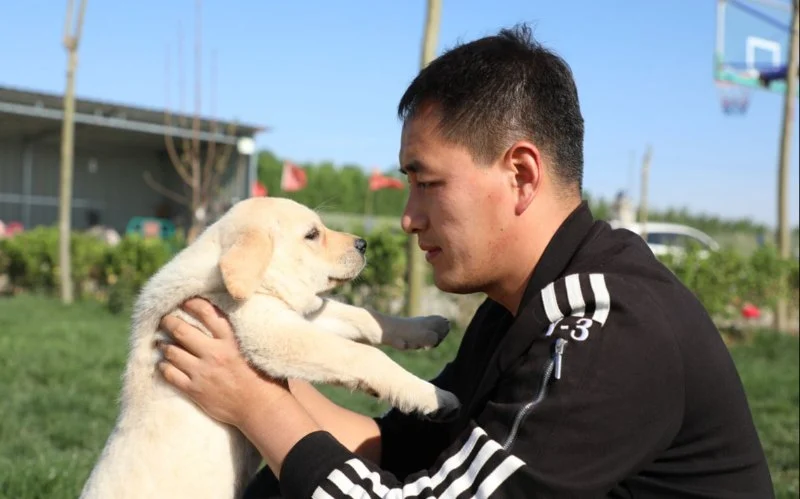
One of the most effective applications of reward schedules is in puppy training. For example, when training a puppy to sit, a continuous reinforcement schedule can be used in the beginning, rewarding the puppy every time it sits on command. As the puppy becomes more consistent, the trainer can switch to a Variable Ratio schedule, providing a treat after an unpredictable number of successful sits. This not only ensures that the puppy maintains the behavior but also creates excitement and engagement during training sessions, which are key to keeping puppies interested in learning.

Why Choose Pet & Puppy for Your Training Needs?
At Pet & Puppy, we specialize in long-term training techniques that are tailored to meet the needs of both pets and their owners. Our training strategies incorporate effective reward schedules to ensure lasting results. Whether you're working on basic commands or advanced training, we offer the resources and expert guidance to help you achieve success with your pet. Visit us today to learn more about our training services and how we can assist you in creating a happier, well-trained pet!






 Petco4.0 (642 reviews)
 Shepherdsville Animal Hospital4.0 (887 reviews)
 Banfield Pet Hospital4.0 (180 reviews)
 Schure Adam C DVM5.0 (4 reviews)
 Spring Mill Veterinary Service4.0 (139 reviews)
 Cave Creek Equine Sports Medicine & Surgery4.0 (68 reviews)
 What Causes Pet Lethargy? Understanding Underlying Conditions to Check
 Why Some Pets Reject New Food & How to Smooth the Transition
 How IoT Devices Are Helping Pet Owners Stay Informed
 Creating a Comfortable Sleeping Space for Your Pet: Tips & Ideas
 How to Choose the Right Dog Food: Key Ingredients and Tips
 How Pet Recovery Rooms Are Being Designed in Modern Clinics