

- 1-Understanding-the-Nutritional-Needs-of-Active-Adult-Dogs
- 2-Key-Ingredients-to-Look-for-in-Dog-Food
- 3-Top-Recommended-Dog-Foods-for-Active-Adult-Dogs
- 4-Tailoring-Portion-Sizes-and-Feeding-Frequency
- 5-Common-Mistakes-Owners-Make-with-Active-Dog-Diets
- 6-Case-Studies-and-Success-Stories-from-Pet-Owners
- 7-Integrating-Diet-with-Exercise-for-Optimal-Health
- 8-Where-to-Find-Quality-Dog-Food-and-Pet-&-Puppy-Recommendations
1. Understanding the Nutritional Needs of Active Adult Dogs
Active adult dogs require a carefully balanced diet to support energy levels, muscle maintenance, and overall health. Unlike puppies, whose diets focus on growth, adult dogs need food that sustains daily activity while maintaining healthy weight and stamina.
Energy Requirements
High-energy dogs burn more calories, so meals should contain sufficient complex carbohydrates and proteins. Ingredients like brown rice, sweet potatoes, and lean meats help fuel active lifestyles.
Maintaining Muscle Mass
Proteins from high-quality sources such as chicken, fish, and beef help preserve muscle tissue. How to choose the Best Dog Foods for Active Adult Dogs often emphasizes protein content above 25% for highly active breeds.
Joint and Bone Support
Supplements like glucosamine and chondroitin support joint health, essential for dogs engaging in regular exercise or agility activities. A well-rounded diet ensures mobility and long-term vitality.
2. Key Ingredients to Look for in Dog Food
Choosing the right dog food means reading labels carefully and understanding key nutrients.
High-Quality Proteins
Protein should come from identifiable sources like chicken, beef, or fish. Avoid foods with unnamed “meat by-products” as primary ingredients.
Healthy Fats
Omega-3 and Omega-6 fatty acids support coat health, cognitive function, and cardiovascular performance. Ingredients such as salmon oil, flaxseed, and chicken fat are excellent choices.
Complex Carbohydrates and Fiber
Grains, vegetables, and legumes provide energy while supporting digestion. Fiber also helps maintain regular bowel movements and satiety.
Vitamins and Minerals
Balanced vitamins and minerals are essential for immune function, energy metabolism, and overall well-being. Look for added antioxidants like vitamin E and C to help reduce inflammation from high activity levels.
3. Top Recommended Dog Foods for Active Adult Dogs
Some brands consistently stand out for meeting the nutritional needs of active adult dogs.
High-Protein Dry Kibble Options
Brands like Orijen and Blue Buffalo Wilderness are praised for their high-quality protein sources, limited fillers, and balanced nutrients. These are ideal for dogs needing sustained energy throughout the day.
Wet Food Alternatives
For picky eaters or dogs needing extra hydration, wet foods like Wellness CORE and Merrick Grain-Free provide concentrated nutrients in a palatable format.
Specialty Formulas
For breeds prone to joint issues or high activity demands, foods with added glucosamine, chondroitin, and omega fatty acids are recommended. Tailoring food selection to breed-specific needs ensures optimal health outcomes.
4. Tailoring Portion Sizes and Feeding Frequency
Feeding strategies are as important as food quality. Overfeeding can lead to obesity, while underfeeding reduces energy and performance.
Daily Caloric Needs
Calculate daily caloric needs based on activity level, weight, and breed. Active adult dogs typically require 20–30% more calories than sedentary adult dogs.
Meal Frequency
Two meals per day is standard, but highly active dogs may benefit from three smaller meals to sustain energy levels. Consistency and portion control help prevent gastrointestinal issues.
Monitoring Weight and Condition
Regularly check your dog’s body condition score and adjust portions accordingly. How to choose the Best Dog Foods for Active Adult Dogs includes balancing caloric intake with daily exercise routines.
5. Common Mistakes Owners Make with Active Dog Diets
Even attentive dog owners can make dietary mistakes that affect health and performance.
Ignoring Ingredient Quality
Choosing brands based solely on price or marketing can lead to nutrient deficiencies. Always prioritize high-quality protein and essential nutrients.
Overfeeding Treats
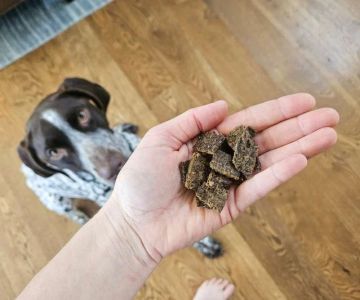
Excessive treats can disrupt calorie balance and contribute to obesity. Healthy treats like carrot sticks or small pieces of chicken maintain energy without excess calories.
Failing to Adjust Diet for Activity Changes
Dogs that increase or decrease activity levels require dietary adjustments. Seasonal changes or shifts in exercise routines should trigger recalibration of food portions and nutrient density.
6. Case Studies and Success Stories from Pet Owners
Real-life examples illustrate the impact of proper nutrition on active adult dogs.
Story 1: Max the Agility Dog
Max, a 4-year-old Border Collie, switched to a high-protein diet recommended by Pet & Puppy. Within weeks, his stamina and recovery time improved, allowing him to excel in agility competitions.
Story 2: Bella’s Morning Runs
Bella, a Labrador Retriever, struggled with energy dips during long walks. Transitioning to a diet rich in Omega-3 fatty acids and lean proteins gave her sustained energy and improved coat condition.
Insights from Owners
Owners consistently report that monitoring food quality, adjusting portions based on activity, and selecting nutrient-rich options create happier, more active dogs.
7. Integrating Diet with Exercise for Optimal Health
Nutrition alone cannot ensure peak performance. Combining a high-quality diet with structured exercise routines maximizes health benefits.
Daily Physical Activity
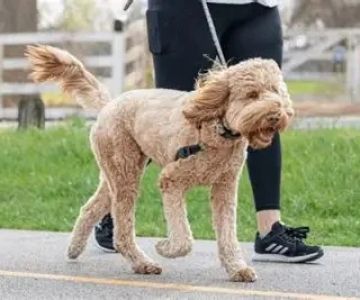
Activities like running, fetch, swimming, and agility training help maintain weight, strengthen muscles, and support cardiovascular health. Food intake should reflect these energy expenditures.
Recovery and Rest
Active adult dogs require adequate rest to prevent overexertion. Nutrient-rich meals aid in muscle repair and overall recovery.
Tracking Progress
Keep a journal of diet changes, exercise routines, and observable improvements. This ensures adjustments can be made proactively, and it reinforces best practices highlighted in Best Dog Foods for Active Adult Dogs.
8. Where to Find Quality Dog Food and Pet & Puppy Recommendations
Finding the right dog food is critical for maintaining energy, health, and happiness. Pet & Puppy offers curated selections of high-quality foods suited for active adult dogs. Their guides include nutritional analysis, ingredient transparency, and expert recommendations to make shopping easier and safer.
By prioritizing nutrient-dense food, monitoring portions, and combining diet with activity, owners can ensure their active adult dogs remain healthy, energetic, and happy. How to select the Best Dog Foods for Active Adult Dogs becomes straightforward when relying on professional insights and trusted sources like Pet & Puppy.




 Sun City West Animal Hospital4.0 (587 reviews)
 PetVet Vaccination Clinic0.0 (0 reviews)
 Animal Care Clinic4.0 (217 reviews)
 Saint Francis Pet Hospital, Camby4.0 (507 reviews)
 East Bullitt Animal Clinic4.0 (131 reviews)
 Bluegrass Animal Care Center4.0 (231 reviews)
 How to Help Dogs With Stress From Moving
 Why Is My Dog Sensitive to Loud Noises? Causes and Solutions
 Why Do Dogs Sniff Everything on Walks? Expert Insights
 Best Dog Parks in Major US Cities and Safety Tips
 Why Is My Dog Scratching Its Ears So Much? Common Causes and Solutions
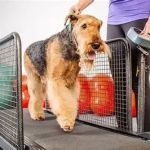 Canine Obesity: Preventing Weight Gain in Dogs and Promoting Healthy Lifestyles