
- Why Dogs Use Their Nose More Than Their Eyes
- What Your Dog Learns From Sniffing
- The Science Behind a Dog’s Powerful Sense of Smell
- Why Sniffing Is Important for Mental Health
- Common Mistakes Owners Make During Walks
- How Different Breeds Use Scent in Different Ways
- How to Balance Training With Sniff Time
- Real-Life Stories From Dog Owners
- Signs Your Dog Needs More Enrichment
- Creating Better Walks for You and Your Dog
Why Dogs Use Their Nose More Than Their Eyes
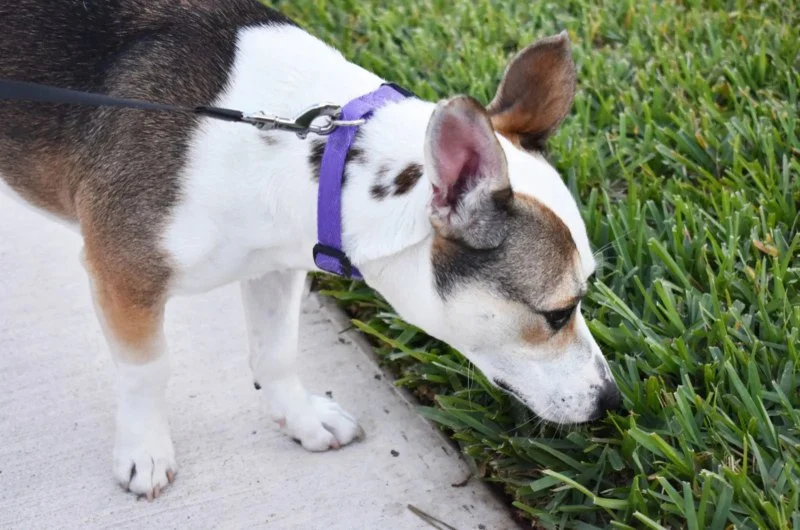
Many dog owners have asked the same question while standing impatiently on a sidewalk: why do dogs sniff everything on walks? To humans, a daily walk is usually about exercise, fresh air, or getting from one place to another. For dogs, however, a walk is an information-filled experience powered almost entirely by scent.
Dogs experience the world through their noses in a way humans can barely imagine. While people rely heavily on vision, dogs gather detailed information through scent particles floating in the air, resting on grass, or left behind by another animal hours earlier.
A quick pause at a tree may seem random to you, but your dog could be learning:
- Which dogs passed by recently
- Whether another animal was stressed or relaxed
- The approximate age and sex of another dog
- If wildlife has been nearby
- Changes in the neighborhood environment
Professional trainers often describe sniffing as “reading the daily newspaper.” Every hydrant, bush, mailbox, and patch of grass contains a story your dog wants to understand.
Some owners mistakenly believe constant sniffing means their dog is being stubborn or poorly trained. In reality, sniffing is one of the most natural and mentally healthy things a dog can do. Allowing controlled sniffing time can make walks calmer and more enjoyable.
Four Peaks Animal Clinic
ScottsdaleMaricopa CountyArizona
10818 N Scottsdale Rd, Scottsdale, AZ 85254, USA
Dogs Process Information Through Scent
Humans have approximately six million scent receptors in the nose. Dogs can have up to 300 million depending on breed. Their brains are also structured differently, dedicating significantly more space to analyzing smells.
This is why dogs can detect things humans never notice:
- Emotional changes in people
- Hormonal shifts
- Rain approaching before clouds appear
- Hidden food or animals underground
- Other dogs from long distances away
During walks, dogs continuously collect and organize scent data. What seems repetitive to us is actually an active mental process for them.

What Your Dog Learns From Sniffing
One fascinating part of canine behavior is how much information dogs exchange without making a sound. Sniffing acts as social communication.
Dogs Leave Scent Messages
When dogs urinate or rub against objects, they leave chemical markers behind. Other dogs investigate these scents to gather information.
These scent markers may communicate:
- Territory boundaries
- Stress levels
- Reproductive status
- Confidence or fear
- Recent diet or health condition
It sounds incredible, but researchers have repeatedly confirmed dogs gather highly detailed information from scents.
Sniffing Creates Environmental Awareness
Imagine walking into a room blindfolded and instantly knowing who had been there recently, what they ate, whether they felt nervous, and what direction they left. That is essentially what dogs do outdoors every day.
Dogs use sniffing to map their environment. They build mental scent maps of neighborhoods, parks, and walking routes. Changes in those familiar scents immediately grab their attention.
This explains why your dog suddenly becomes intensely focused on one small area. Something changed there recently.
The Science Behind a Dog’s Powerful Sense of Smell
Understanding the science behind canine scent detection helps explain why dogs sniff everything on walks.
Dogs Smell in Layers
Unlike humans, dogs can separate scent layers. Imagine walking into a bakery and smelling bread. A dog entering that same bakery could potentially distinguish:
- Flour types
- Individual ingredients
- Different people who handled the dough
- Cleaning chemicals
- Nearby pets
This incredible ability is why dogs are used for:
- Search and rescue work
- Medical detection
- Drug detection
- Wildlife conservation
- Tracking missing people
The Jacobson’s Organ
Dogs also possess a specialized sensory structure called the Jacobson’s organ. This organ helps them detect pheromones and other chemical signals invisible to humans.
When you see a dog pause and intensely sniff with small tongue flicks or odd facial expressions, they may be processing information through this system.
Sniffing Tires the Brain
Many dog owners underestimate how mentally exhausting scent work can be. A slow 20-minute sniff-focused walk may tire some dogs more effectively than a fast-paced jog.
Mental stimulation matters because bored dogs often develop unwanted behaviors such as:
- Excessive barking
- Chewing furniture
- Digging
- Hyperactivity
- Restlessness
Experienced trainers increasingly encourage “decompression walks,” where dogs are allowed safe opportunities to sniff freely.
Why Sniffing Is Important for Mental Health
Dog behavior specialists frequently discuss the emotional benefits of sniffing. It is not just entertainment. It can directly affect canine stress levels.
Sniffing Lowers Anxiety
Studies and trainer observations suggest dogs that are allowed natural sniffing behaviors often appear calmer and more satisfied after walks.
This is especially true for:
- Rescue dogs
- Anxious dogs
- High-energy breeds
- Apartment dogs
- Dogs recovering from stressful changes
One rescue owner shared online that her adopted German Shepherd stopped pacing indoors after she replaced short “exercise-only” walks with longer scent exploration walks.
The transformation was dramatic. Instead of rushing home overstimulated, the dog returned relaxed and ready to rest.
Walks Should Not Feel Like Military Drills
Many owners unintentionally turn walks into rigid obedience sessions. Constant leash corrections and rushing from point A to point B can create frustration.
Of course, structure and safety matter. Dogs should still learn leash manners and recall skills. But allowing moments of exploration creates balance.
Professional handlers often recommend dividing walks into phases:
- Structured walking
- Free sniffing time
- Training practice
- Relaxed decompression
This combination helps satisfy both physical and emotional needs.
Common Mistakes Owners Make During Walks
Even loving dog owners sometimes misunderstand normal sniffing behavior.
1. Pulling Dogs Away Constantly
Some owners rush dogs through walks because they are focused on distance or time. Constant leash pulling can increase frustration.
If your dog safely stops to sniff, allowing a few extra seconds may create a more rewarding experience.
2. Expecting Human Priorities
Humans often view walks as exercise routines. Dogs see walks as opportunities for exploration and information gathering.
Understanding this difference changes how you approach daily outings.
3. Not Providing Enough Mental Enrichment
A physically tired dog is not always mentally satisfied. Some high-energy breeds still feel bored after long runs if they never get opportunities to use their brains.
Scent activities can help significantly.
4. Punishing Natural Curiosity
Correcting every pause or sniff can accidentally discourage healthy exploration. Balanced training works better than overcorrection.
At Pet & Puppy, many owners discover enrichment ideas that improve both behavior and confidence during walks. Small changes in routine often make a surprising difference.
How Different Breeds Use Scent in Different Ways
Not all dogs sniff with the same intensity. Breed history strongly influences behavior.
Hounds and Tracking Breeds
Beagles, Bloodhounds, and Basset Hounds were developed specifically for scent tracking. These breeds may appear almost obsessed with smells outdoors.
Owners of scent hounds often joke that once the nose activates, the ears stop working.
Working Dogs
German Shepherds, Belgian Malinois, and Labradors frequently excel in scent-related tasks because of their intelligence and drive.
These dogs benefit enormously from scent games and mental work.
Terriers
Terriers were bred to hunt small animals underground. Many terriers sniff intensely around holes, bushes, and dense vegetation.
Companion Breeds
Even small companion breeds enjoy sniffing. While they may not track as intensely as hounds, they still rely heavily on scent communication.
Breed tendencies help explain why some dogs appear more scent-focused than others.
How to Balance Training With Sniff Time
Some dog owners worry that allowing sniffing will encourage bad leash manners. Fortunately, you can encourage exploration while maintaining structure.
Create Clear Walking Modes
Many trainers teach dogs two different walking expectations:
- Focused walking beside the owner
- Relaxed sniff-and-explore time
Using verbal cues helps dogs understand the difference.
Use Sniffing as a Reward
One highly effective training technique involves allowing sniff breaks as rewards for good walking behavior.
For example:
- Dog walks calmly beside you
- You stop near grass
- Dog receives permission to sniff
This approach turns sniffing into positive reinforcement rather than conflict.
Practice Safe Exploration
Not every sniffing opportunity is safe. Owners should still monitor:
- Broken glass
- Toxic substances
- Wild animal waste
- Dangerous food scraps
- Traffic hazards
Balanced freedom works best.
Real-Life Stories From Dog Owners
Across social media and dog communities, owners regularly share stories about how changing walk routines improved behavior.
The Overexcited Labrador
One family described their young Labrador as “impossible” on walks. The dog pulled constantly and became overly excited.
A trainer suggested slowing the walks down and allowing structured sniff breaks.
Within weeks, the Labrador became noticeably calmer. Instead of rushing ahead in frustration, the dog focused on exploring and relaxing.
The Senior Rescue Dog
Another owner adopted a senior mixed-breed dog who seemed fearful outdoors. Loud noises and busy sidewalks caused anxiety.
Instead of forcing fast walks, the owner allowed the dog to sniff at its own pace in quieter areas.
The dog gradually became more confident because sniffing helped process unfamiliar environments.
The Pandemic Puppy Trend
During the pandemic, many first-time dog owners struggled with hyperactive behavior. Trainers online repeatedly emphasized the importance of mental enrichment, especially scent work.
Sniff-focused walks became one of the most recommended strategies for reducing boredom and frustration indoors.
Signs Your Dog Needs More Enrichment
Sometimes excessive energy or behavioral problems are actually signs of mental boredom.
Watch for These Behaviors
- Restlessness after walks
- Constant attention-seeking
- Destroying household objects
- Excessive barking
- Obsessive pacing
- Difficulty settling down
If your dog rarely gets opportunities to explore naturally, increasing sniffing activities may help.
Easy Enrichment Ideas
You do not need expensive equipment to provide better mental stimulation.
- Choose new walking routes
- Allow slower walks occasionally
- Scatter treats in grass for scent games
- Use puzzle feeders indoors
- Hide toys for nose-work activities
At Pet & Puppy, many pet owners explore enrichment tools and walking accessories that make scent-focused activities easier and more enjoyable for both dogs and families.
Creating Better Walks for You and Your Dog
Once owners understand why dogs sniff everything on walks, daily routines often become less frustrating and more meaningful.
Instead of viewing sniffing as wasted time, it helps to see it as an important part of canine well-being.
Think About Walks Differently
Imagine if someone dragged you through a museum without letting you stop and observe anything. That experience would feel rushed and unsatisfying.
For dogs, walks without sniffing can feel similar.
Allowing reasonable opportunities for scent exploration:
- Supports mental health
- Builds confidence
- Reduces stress
- Encourages calm behavior
- Makes walks more rewarding
The Best Walks Include Exploration
Not every walk must be perfectly structured. Some days, your dog may benefit more from slowly exploring a park than from covering long distances quickly.
Experienced owners often discover that a balanced approach works best:
- Safe boundaries
- Basic obedience
- Mental stimulation
- Time to sniff and explore
Dogs are naturally curious animals. Their noses are their primary connection to the world around them. When we respect that instinct, walks become more enriching for everyone involved.
If you want to better understand your dog’s behavior, improve daily walks, or discover products that support healthy enrichment routines, Pet & Puppy offers ideas and resources that many modern dog owners find helpful as they build stronger relationships with their pets.




 Livewell Animal Urgent Care of Goodyear5.0 (44 reviews)
 Veterinary Wellness Center4.0 (124 reviews)
 Hopi Animal Hospital ~ A privately owned, family practice!4.0 (199 reviews)
 Animal Medical Center of Dubois4.0 (192 reviews)
 Cave Creek Equine Sports Medicine & Surgery4.0 (68 reviews)
 Rockville Road Animal Hospital4.0 (296 reviews)
 How to Teach Your Pet to Sleep on Their Own Bed
 Best Dog Harnesses With No-Pull Design
 Best Dog Foods for Allergies and Sensitive Skin: Expert Recommendations
 How to Train a Service Dog: Basics & Considerations
 Heatstroke Prevention: How to Keep Pets Cool in Summer
 How to Teach Your Dog Basic Commands in 7 Days: A Step-by-Step Guide