

- Understanding Dog Obesity - Causes and health risks of overweight dogs
- Assessing Your Dog's Needs - Determining ideal weight, caloric requirements, and activity levels
- Setting Realistic Goals - How to plan a safe and sustainable weight loss program
- Creating a Balanced Diet - Nutritional guidelines, portion control, and healthy food options
- Incorporating Exercise - Daily routines to support weight loss and improve fitness
- Monitoring Progress - Tracking weight, body condition, and health improvements
- Avoiding Common Mistakes - Pitfalls that can derail a diet plan
- Real-Life Success Story - How one overweight dog regained health and vitality
- Long-Term Maintenance - Sustaining healthy weight and preventing relapse
Understanding Dog Obesity
Obesity in dogs is a growing concern across the United States, affecting dogs of all breeds, ages, and sizes. Overweight dogs face increased risk of heart disease, diabetes, joint problems, respiratory issues, and reduced lifespan. Understanding the root causes of weight gain is the first step in creating a successful diet plan.

Common Causes
- Overfeeding: Excessive portions, frequent treats, and free-feeding contribute significantly.
- Lack of Exercise: Sedentary lifestyles reduce calorie expenditure.
- Genetics: Some breeds, like Labradors or Beagles, have a predisposition to gain weight.
- Medical Conditions: Hypothyroidism or hormonal imbalances can affect metabolism.
- Age: Older dogs often have slower metabolism, increasing the risk of obesity.
Recognizing the signs of obesity is crucial. Indicators include difficulty moving, visible fat deposits, inability to feel ribs easily, excessive panting, and lethargy.

Assessing Your Dog's Needs
Before creating a diet plan, you need an accurate assessment of your dog's current condition and energy requirements.
Determining Ideal Weight
Consult a veterinarian to establish a healthy weight target based on your dog’s breed, age, and body structure. Use the body condition scoring system (BCS) to assess muscle tone, fat distribution, and overall health.
Calculating Daily Caloric Needs
Every dog requires a different number of calories depending on their size, activity level, and metabolism. Reducing calorie intake should be gradual to prevent nutritional deficiencies or rapid weight loss, which can be dangerous.
Evaluating Activity Level
Consider daily exercise routines. Active dogs may require slightly more calories, while sedentary dogs benefit from more significant calorie restrictions.
Setting Realistic Goals
Weight loss should be gradual—typically 1-2% of body weight per week is considered safe. Unrealistic targets can stress your dog and lead to setbacks.
Structuring the Plan
- Break the program into phases, focusing first on gradual weight reduction.
- Incorporate measurable milestones, such as losing one pound per month for a medium-sized dog.
- Adjust goals based on progress and veterinary advice.
Creating a Balanced Diet
Diet planning is not about starving your dog; it is about providing nutrient-dense, low-calorie meals.
Key Nutritional Components
- Protein: Supports lean muscle mass. Sources include chicken, turkey, fish, or high-quality dog food.
- Fiber: Promotes satiety and aids digestion. Vegetables and whole grains are good choices.
- Healthy Fats: Essential for coat health and energy. Include omega-3 and omega-6 sources in moderation.
- Vitamins and Minerals: Ensure your dog receives all essential micronutrients to prevent deficiencies.
Portion Control
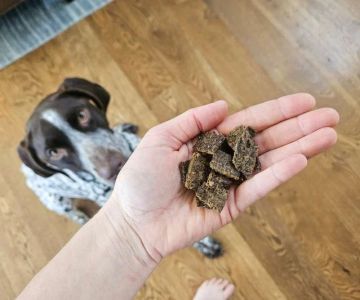
Measure meals carefully and divide them into multiple servings throughout the day. Avoid free-feeding or excessive treats. High-value treats can be integrated as rewards during training but should not exceed 10% of daily calories.
Recommended Food Options
Consider:
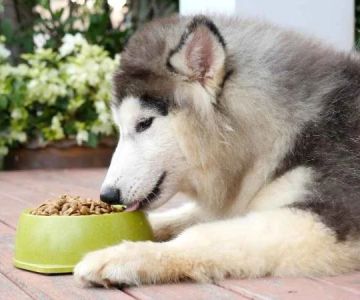
- Low-calorie commercial dog food formulated for weight management
- Homemade meals with lean protein and vegetables (after consulting a veterinarian)
- Low-fat, high-fiber treats
Incorporating Exercise
Exercise complements diet and helps maintain lean muscle while burning calories. Daily activity also reduces boredom, which can lead to overeating.
Daily Routines
- Short walks after meals to aid digestion
- Interactive play, such as fetch or tug-of-war
- Agility or obstacle courses for mental stimulation
- Swimming for dogs with joint issues
Start gradually, especially for dogs carrying significant extra weight, and increase intensity as fitness improves.
Monitoring Progress
Track weight, body condition, and overall health weekly. Adjust caloric intake and exercise based on progress. Remember that small, consistent improvements are more sustainable than rapid weight loss.
Signs of Success
- Increased mobility and energy levels
- Visible reduction in fat deposits
- Ribs becoming easier to feel without excess fat coverage
- Improved coat and overall health
Avoiding Common Mistakes
- Skipping Meals: Can slow metabolism and increase hunger-driven behaviors.
- Overfeeding Treats: Even small snacks add calories quickly.
- Ignoring Medical Causes: Hormonal issues may require veterinary treatment.
- Rapid Weight Loss: Unsafe and can cause muscle loss or gallstones.
- Lack of Exercise: Reduces the effectiveness of diet plans.
Real-Life Success Story
Max, a 7-year-old Golden Retriever, weighed 95 pounds—30 pounds over his ideal weight. His owner worked with a veterinarian to create a balanced diet and exercise plan. Meals were carefully portioned, low-calorie treats replaced with vegetables, and daily walks were gradually increased to include swimming sessions twice a week. Over six months, Max lost 28 pounds, regained mobility, and showed a significant improvement in energy and overall mood. Max's story highlights the power of consistent planning, monitoring, and dedication.
Long-Term Maintenance
Once the target weight is reached, ongoing management is essential to prevent relapse. Maintain balanced meals, regular exercise, and periodic weight checks. Treats should remain limited, and gradual adjustments should be made as your dog ages or activity levels change.
Resources from Pet & Puppy provide valuable guidance on diet planning, exercise routines, and products designed to support canine weight management. With the right approach, overweight dogs can achieve healthy weight, improved quality of life, and a longer, happier lifespan.




 Banfield Pet Hospital4.0 (168 reviews)
 Animal Medical Center4.0 (437 reviews)
 Banfield Pet Hospital4.0 (249 reviews)
 Riverside Animal Clinic4.0 (205 reviews)
 Jackman's Animal Clinic4.0 (226 reviews)
 Bigger Road Veterinary Center4.0 (284 reviews)
 Signs Your Dog Needs Immediate Veterinary Care: What Every Pet Owner Should Know
 Gastrointestinal Upset in Pets: Diarrhea, Vomiting, and What to Feed
 How to Monitor Pet Vital Signs at Home Safely
 How to Help Your Dog Lose Weight Safely
 Best Probiotics for Dogs With Digestive Issues: Expert Guide
 How to Teach Your Dog Basic Commands in 7 Days