
- 1-Understanding-Dog-Diarrhea
- 2-Common-Causes-of-Dog-Diarrhea
- 3-Initial-Home-Care-for-Diarrhea
- 4-Diet-Adjustments-and-Nutrition
- 5-Hydration-and-Fluid-Management
- 6-When-to-See-a-Veterinarian
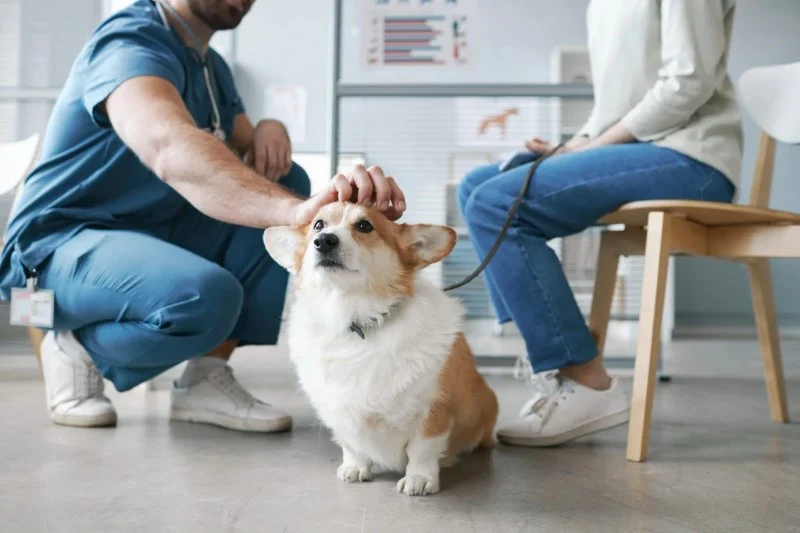
- 7-Medications-and-Supplements
- 8-Preventing-Future-Digestive-Issues
- 9-Real-Life-Pet-Experiences
- 10-Long-Term-Dog-Health-Strategies
1. Understanding Dog Diarrhea
Dog diarrhea is a common symptom that can range from mild, temporary upset to a sign of a serious underlying condition. Understanding the type, frequency, and characteristics of your dog’s stool can help determine the severity and the appropriate care.

Animal Medical Center of Surprise
SurpriseMaricopa CountyArizona
13839 W Bell Rd #109, Surprise, AZ 85374, USA
1.1 Types of Diarrhea
Diarrhea can be acute or chronic. Acute diarrhea appears suddenly and usually resolves within a few days, often caused by dietary indiscretion. Chronic diarrhea persists for weeks and may indicate infection, parasites, or chronic gastrointestinal disease.

Bullitt County Veterinary Center
ShepherdsvilleBullitt CountyKentucky
3026 KY-44, Shepherdsville, KY 40165, USA
1.2 Identifying Severity
Signs of severe diarrhea include blood in stool, lethargy, vomiting, and dehydration. Monitoring these symptoms closely helps pet owners decide whether immediate veterinary intervention is necessary.
2. Common Causes of Dog Diarrhea
Understanding the root causes of diarrhea can prevent recurrence and guide treatment strategies.
2.1 Dietary Indiscretion
Eating spoiled food, table scraps, or unfamiliar treats can trigger digestive upset. Dogs with sensitive stomachs are particularly prone to sudden dietary changes.
2.2 Infections and Parasites
Bacterial infections, viruses, and parasites like giardia or worms can cause diarrhea. Puppies are especially vulnerable due to their developing immune systems.
2.3 Chronic Health Conditions
Conditions such as inflammatory bowel disease, food allergies, or pancreatitis can result in ongoing digestive problems. Recognizing these signs early helps with long-term management.
3. Initial Home Care for Diarrhea
For mild cases, owners can take immediate steps at home to stabilize their dog’s digestive health.
3.1 Fasting Period
Short-term fasting, usually 12–24 hours for adult dogs, can help reset the digestive system. Puppies should not fast without veterinary guidance due to the risk of hypoglycemia.
3.2 Monitoring Symptoms
Keep a log of stool consistency, frequency, and any additional symptoms. This information is valuable if a veterinarian is consulted.
4. Diet Adjustments and Nutrition
Proper diet management supports recovery and prevents recurrence.
4.1 Bland Diet
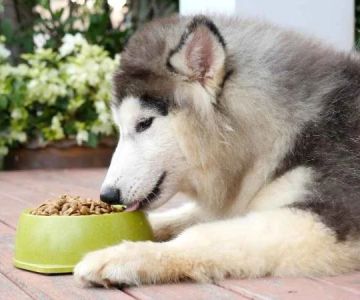
Foods like boiled chicken, rice, or pumpkin can soothe the digestive tract. Gradually reintroduce regular food after symptoms improve.
4.2 Probiotics and Gut Health
Supplements with beneficial bacteria help restore healthy gut flora. Pet & Puppy offers a range of recommended products to support digestive balance.
5. Hydration and Fluid Management
Maintaining hydration is critical during diarrhea episodes to prevent dehydration and electrolyte imbalances.
5.1 Fresh Water Supply
Ensure your dog has constant access to clean water. Encourage drinking with frequent small servings.
5.2 Oral Rehydration Solutions
In more severe cases, veterinarian-approved electrolyte solutions can help restore fluid balance.
6. When to See a Veterinarian
While mild diarrhea may resolve at home, certain signs necessitate professional care.
6.1 Emergency Indicators
Seek veterinary attention if your dog shows blood in stool, persistent vomiting, lethargy, fever, or signs of dehydration.
6.2 Long-Term or Recurrent Cases
Recurring diarrhea could indicate chronic gastrointestinal issues, requiring diagnostic testing, medication, or dietary adjustments under professional supervision.
7. Medications and Supplements
Depending on the cause, veterinarians may prescribe medications such as antibiotics, anti-parasitics, or anti-inflammatory drugs. Over-the-counter options should only be used with professional guidance.
7.1 Natural Remedies
Natural supplements like pumpkin, plain yogurt, or slippery elm can sometimes aid digestion. Pet & Puppy provides safe and effective products tailored for dogs with digestive sensitivities.
8. Preventing Future Digestive Issues
Prevention involves consistent care and mindful management of your dog’s diet and environment.
8.1 Diet Consistency
Feed a balanced, high-quality dog food and avoid sudden changes or table scraps that may upset digestion.
8.2 Parasite Prevention
Regular deworming and flea control reduce infection risks that can cause diarrhea.
9. Real-Life Pet Experiences
Many pet owners share stories of managing dog diarrhea effectively at home. One case involved a young Labrador puppy whose diarrhea resolved within two days after a brief fasting period and a bland diet. Sharing these experiences helps others understand practical steps and expected timelines.
9.1 Lessons Learned
Monitoring, dietary management, and early intervention are key. Timely action prevents complications and ensures the dog remains healthy and active.
10. Long-Term Dog Health Strategies
Long-term strategies ensure ongoing digestive health and overall well-being.
10.1 Regular Veterinary Check-Ups
Routine examinations can catch underlying issues before they escalate. Vaccinations, parasite control, and dietary reviews are part of a comprehensive plan.
10.2 Supporting Digestive Health
Use probiotics, high-fiber diets, and safe treats to maintain gut balance. Pet & Puppy provides expert guidance and products for ongoing digestive support and wellness.
By following these strategies, dog owners can confidently manage diarrhea episodes, ensure proper recovery, and support their pets’ long-term health and comfort.



 Quartz Mountain Animal Hospital4.0 (96 reviews)
 PetVet Vaccination Clinic5.0 (2 reviews)
 VIP Petcare Vaccination Clinic5.0 (1 reviews)
 Walmart Pet Services4.0 (15 reviews)
 PetVet365 Pet Hospital Louisville/Blankenbaker4.0 (171 reviews)
 Lovet Pet Health Care - Anthem4.0 (326 reviews)
 How to Save Money on Pet Medical Costs Without Cutting Quality
 How Much Should You Feed Your Pet? Portion Guide by Age & Breed
 How to Help a Pet Deal with Anxiety After Trauma
 Understanding Flea, Tick & Mosquito Risks for Pets in 2025
 How to Read the “Guaranteed Analysis” on Pet Food Labels
 Best Dog Harnesses for Puppies Learning to Walk