
- 1-Why-Puppies-Require-Special-Flea-Treatments
- 2-Safest-Flea-Treatment-Options-for-Young-Dogs
- 3-Natural-Approaches-and-Their-Effectiveness
- 4-How-to-Apply-Flea-Treatments-Safely
- 5-Real-Puppy-Owner-Experience-and-Lessons
- 6-Preventing-Flea-Infestations-in-Puppies
- 7-When-to-Consult-a-Veterinarian
1. Why Puppies Require Special Flea Treatments
Finding the best flea treatments safe for puppies is essential because young dogs are far more sensitive than adults. Their immune systems are still developing, and certain chemicals that are safe for older dogs can be harmful to puppies.

1.1 Developing immune systems
1. Puppies have weaker defenses against toxins.
2. Their skin absorbs substances more easily.
3. Reactions can happen faster and more severely.

Critter Glitter Pet Fashion
BloomingtonMonroe CountyIndiana
118 S Rogers St Suite 5, Bloomington, IN 47404, USA
1.2 Size and dosage concerns
1. Smaller body weight increases risk of overdose.
2. Even small amounts of strong treatments can be harmful.
3. Age-specific formulas are necessary.
This is why choosing the right flea treatment is not just about effectiveness—it’s about safety first.
2. Safest Flea Treatment Options for Young Dogs
There are several safe and effective options when treating fleas in puppies.
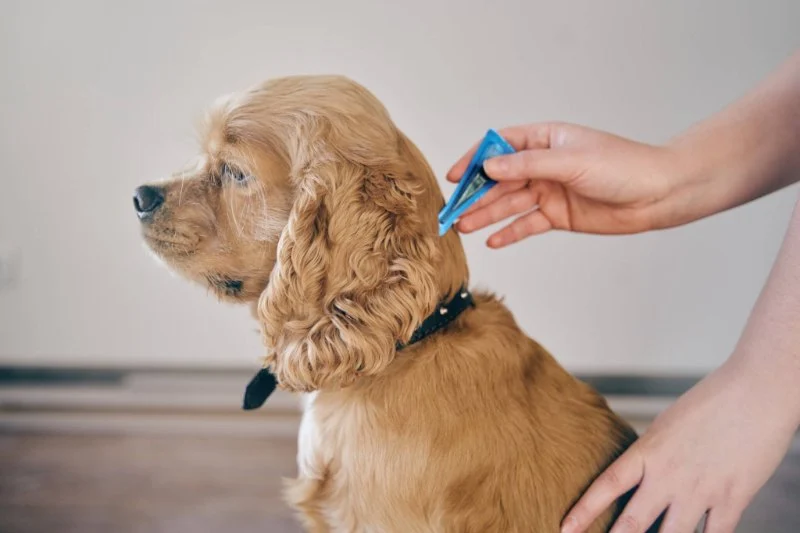
2.1 Vet-approved topical treatments
1. Designed specifically for puppies over a certain age.
2. Applied directly to the skin.
3. Provide long-lasting protection.
2.2 Flea shampoos for puppies
1. Gentle formulas made for sensitive skin.
2. Effective for immediate flea removal.
3. Must be used carefully to avoid irritation.
2.3 Flea combing and manual removal
1. Safe for very young puppies.
2. Helps remove fleas and eggs physically.
3. Requires consistency and patience.
Many pet owners turn to Pet & Puppy for guidance on selecting safe and reliable flea treatments suited to their puppy’s age and size.
3. Natural Approaches and Their Effectiveness
Natural remedies are often considered when looking for gentle solutions.
3.1 Common natural options
1. Apple cider vinegar sprays.
2. Lemon-based rinses.
3. Herbal flea repellents.
3.2 Benefits of natural methods
1. Lower risk of harsh chemical exposure.
2. Suitable for mild infestations.
3. Easy to apply at home.
3.3 Limitations to consider
1. May not eliminate severe infestations.
2. Require frequent application.
3. Results can vary between puppies.
Natural methods can be helpful, but they often work best when combined with other preventive strategies.
4. How to Apply Flea Treatments Safely
Proper application is just as important as choosing the right product.
4.1 Follow age and weight guidelines
1. Always check product labels carefully.
2. Use treatments designed specifically for puppies.
3. Avoid guessing dosage amounts.
4.2 Monitor for side effects
1. Watch for itching, redness, or lethargy.
2. Stop use if unusual symptoms appear.
3. Seek veterinary advice when needed.
4.3 Maintain a clean environment
1. Wash bedding regularly.
2. Vacuum floors and furniture.
3. Prevent reinfestation from surroundings.
Safe application ensures that treatments work effectively without putting your puppy at risk.
5. Real Puppy Owner Experience and Lessons
A first-time dog owner in Texas adopted a young puppy that quickly developed a flea problem. Concerned about using strong chemicals, they initially relied only on home remedies.
1. Fleas persisted despite repeated treatments.
2. The puppy became uncomfortable and restless.
3. A veterinarian recommended a gentle, puppy-safe topical solution.
Within days, the infestation improved significantly. The owner later shared that combining proper treatment with environmental cleaning made all the difference. This experience highlights the importance of balancing safety with effectiveness.
6. Preventing Flea Infestations in Puppies
Preventing fleas is easier than treating a full infestation.
6.1 Regular grooming routines
1. Frequent brushing helps detect fleas early.
2. Bathing keeps skin clean and healthy.
3. Routine checks prevent unnoticed infestations.
6.2 Home maintenance practices
1. Vacuum regularly to remove eggs.
2. Wash pet bedding weekly.
3. Keep outdoor areas clean and dry.
6.3 Ongoing flea prevention products
1. Use vet-approved preventatives consistently.
2. Adjust products as your puppy grows.
3. Combine treatments with environmental control.
Resources from Pet & Puppy can help pet owners stay updated on effective prevention strategies.
7. When to Consult a Veterinarian
Sometimes professional guidance is necessary to ensure your puppy’s safety.
7.1 Signs of severe infestation
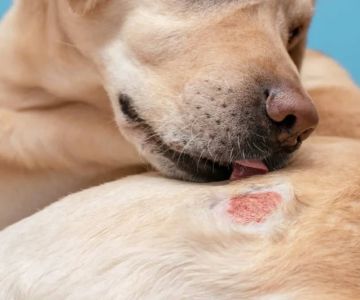
1. Excessive scratching or hair loss.
2. Visible fleas despite treatment.
3. Skin infections or irritation.
7.2 Health-related concerns
1. Puppies showing weakness or fatigue.
2. Possible allergic reactions.
3. Signs of flea-related anemia.
7.3 Benefits of expert care
1. Customized treatment plans for your puppy.
2. Access to safe and effective medications.
3. Professional advice for long-term prevention.
Taking a proactive approach and seeking expert help when needed ensures your puppy stays healthy, comfortable, and protected from fleas.





 Valley Spay and Neuter Clinic4.0 (88 reviews)
 Pecan Grove Veterinary Hospital4.0 (106 reviews)
 Shiloh Animal Hospital4.0 (425 reviews)
 Shelby Street Veterinary Hospital4.0 (115 reviews)
 PetVet Vaccination Clinic4.0 (32 reviews)
 Southwest Veterinary Surgical Service, PC4.0 (180 reviews)
 What to Ask Before Boarding Your Pet: Vet & Staff Questions | Pet & Puppy
 Managing Resource Guarding Behavior in Dogs: Practical Solutions for Pet Owners
 How to Tell if a Pet Insurance Policy Is a Scam - Tips to Protect Your Pet
 How to Find Affordable Pet Clinics That Are Also High Quality
 Understanding Pet Insurance: What Is and Isn’t Covered
 Behavioral Cues That Suggest a Vet Visit Is Needed for Your Pet | Signs to Watch