
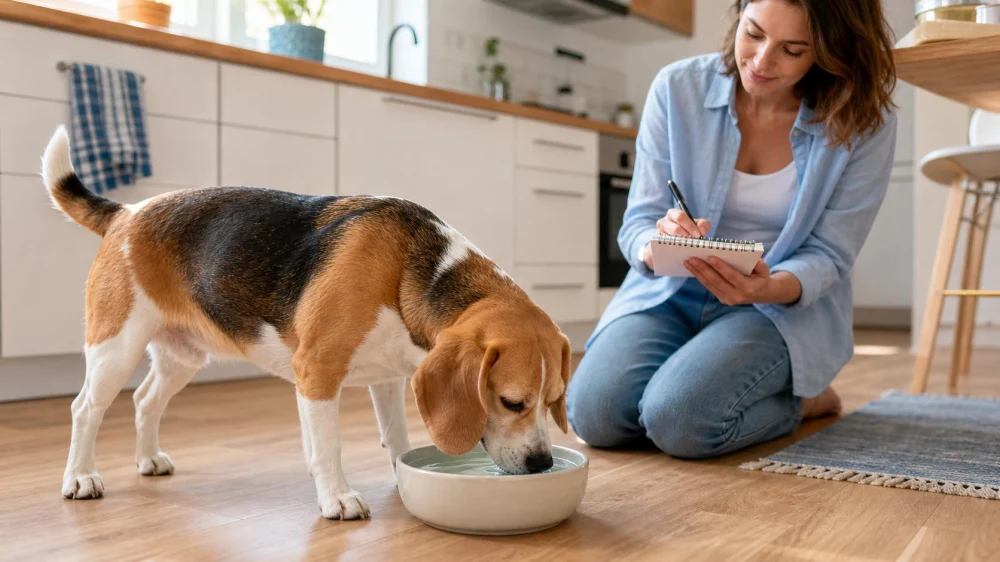
Dog Drinking More Water? What Owners Should Track
On this page
Quick answer
If your dog is drinking noticeably more than usual, keep fresh water available and arrange veterinary advice rather than restricting access. Measure one dog's intake over 24 hours if practical, and record urination, appetite, weight, medications, heat, and activity. Seek urgent care if increased thirst occurs with collapse, severe weakness, repeated vomiting, breathing trouble, inability to urinate, toxin exposure, or a very ill appearance.
Polydipsia is the veterinary term for excessive thirst; polyuria means producing an unusually large volume of urine. Veterinarians often consider these signs together as PU/PD.
This article helps United States dog owners collect useful observations and decide when to call. It cannot determine the underlying condition.

Gainesway Small Animal Clinic
LexingtonFayette CountyKentucky
1230 Armstrong Mill Rd, Lexington, KY 40517, USA
What increased thirst means
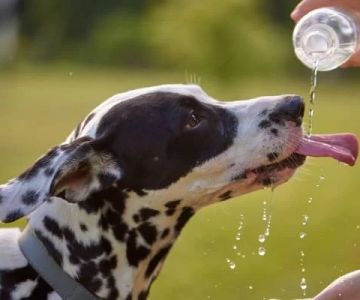
Water needs change with body size, food moisture, exercise, weather, nursing, and individual routine. A dog may temporarily drink more after activity or during hot conditions. A sustained change from that dog's normal pattern, especially with increased urination, deserves veterinary evaluation.
Possible causes include urinary or kidney disease, diabetes mellitus, liver or adrenal conditions, infection, high blood calcium, and effects from certain medicines. An unspayed female may also develop a serious uterine infection. These possibilities overlap, so thirst alone is not a diagnosis.
Arizona Exotic Animal Hospital: Johnson Jay DVM
744 N Center St, Mesa, AZ 85201, USA
When it is urgent
Contact an emergency veterinary service promptly if extra drinking accompanies:
- collapse, severe weakness, disorientation, seizures, or pale or blue-tinged gums;
- difficulty breathing, repeated vomiting, a swollen or painful abdomen, or inability to keep water down;
- straining without producing urine, blood in urine, or obvious urinary pain;
- suspected toxin or medication ingestion;
- rapid decline, marked lethargy, or refusal to eat in an unspayed female, especially after a heat cycle.
For a stable dog with no emergency signs, call the regular veterinary clinic and describe the duration and degree of change. A persistent increase should not be dismissed as habit.
How to measure water intake
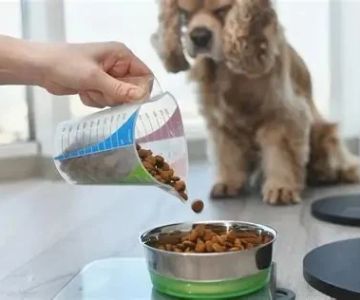
- Use a clean measuring cup to record how much water you put in the bowl.
- For 24 hours, record every refill and any measured water added to food.
- At the end, measure what remains and subtract it from the total offered.
- Note spills, outdoor water, toilet access, puddles, and water consumed by other pets.
- Record your dog's current weight and give the total to the veterinarian.
Measurement is most useful in a single-pet setup. If pets share bowls, temporarily use separate supervised bowls only if that can be done without causing stress or depriving any animal of water.
Clues to track
- How often the bowl needs refilling and when the change began.
- More frequent trips outside, larger urine spots, nighttime urination, or house accidents.
- Appetite changes, weight loss or gain, vomiting, diarrhea, lethargy, panting, or coat changes.
- Recent heat exposure, exercise changes, diet changes, and wet versus dry food.
- All prescriptions, supplements, injections, and topical products, including dose and start date.
- For an unspayed female, the date of the last heat cycle and any discharge.
A brief daily log is more useful than guessing. Photos of bowl markings or a measured container can improve consistency.
Preparing for a veterinary visit
Bring the intake log, medication list, diet details, and a fresh description of urination. Ask the clinic whether it wants a urine sample and how to collect and store it; do not bring an old or contaminated sample without instructions.
The veterinarian will start with history and a physical examination. Urinalysis, blood work, or other tests may be recommended because many unrelated conditions cause the same outward signs. Treatment depends on the diagnosis, not on thirst alone.
Limitations and important notes
Never restrict water to test your dog. Water deprivation can be dangerous, and specialized deprivation testing must be performed only under close veterinary supervision. Do not change prescribed medication on your own; some drugs can increase thirst and urination, but abruptly stopping them may also be harmful.
Published intake figures are screening guides, not a home diagnosis. Climate, activity, food moisture, health, and measurement errors matter. Your dog's change from baseline and accompanying signs should guide the conversation with the veterinary team.
Frequently asked questions
Is drinking more water always diabetes?
No. Diabetes is one possibility among many. Kidney, liver, hormone, urinary, infectious, medication-related, and environmental factors can also change thirst.
Should I remove the water bowl overnight?
No, unless a veterinarian gives a specific plan. Keep clean water accessible and use measurement rather than restriction.
Can hot weather explain the change?
Heat and exercise can increase normal demand, but persistent or dramatic drinking—especially with other symptoms—still warrants a veterinary call.
What if my dog drinks from several places?
Record every known source and explain that the measurement is incomplete. Behavioral observations and urination changes are still useful.
Sources and evidence notes
This guidance reflects general veterinary information from university canine health programs and established veterinary hospitals. These sources describe excessive thirst and urination as signs with multiple possible causes, recommend history and physical examination followed by appropriate testing, and advise measuring 24-hour intake when feasible. Individual advice may differ based on age, body size, medications, reproductive status, and symptoms.
Next steps
Keep water available, start a simple 24-hour log, and call your veterinarian with the pattern and accompanying signs. Use emergency care for serious symptoms. Careful measurement helps the veterinary team investigate efficiently, but it does not replace examination and testing.

 Petco4.0 (485 reviews)
 The Dog Shop4.0 (26 reviews)
 Ramsey Creek Kennels4.0 (16 reviews)
 PetVet Vaccination Clinic0.0 (0 reviews)
 PetVet Vaccination Clinic5.0 (2 reviews)
 Lovet Pet Health Care - Surprise4.0 (908 reviews)
 Remote Monitoring of Chronic Illness in Pets: A New Era of Pet Care
 How to Help Dogs With Fear of Heights
 Coping with Pet Separation During Long Vacations: Tips & Solutions
 How to Teach Pets to Sleep on Their Own Bed
 Best Dog Foods for Sensitive Skin and Allergies: A Comprehensive Guide
 How Climate Change Is Affecting Pet Health Today | Pet & Puppy