
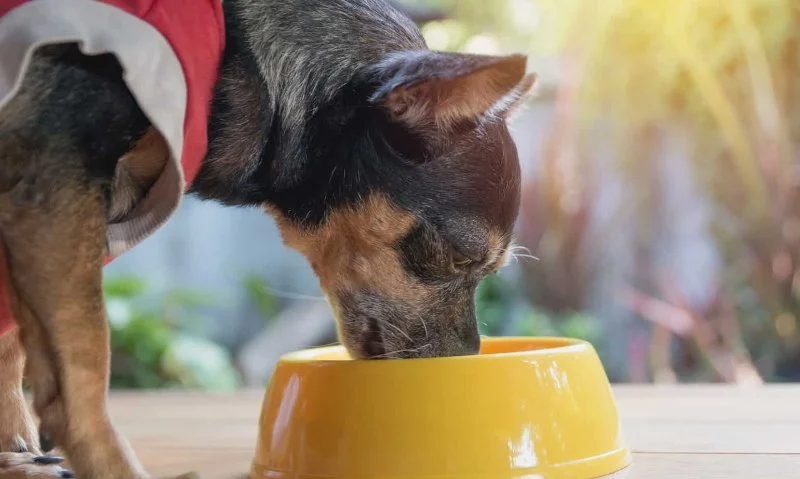
- Why-Digestive-Health-Is-Crucial-for-Your-Dog
- Choosing-the-Best-Food-for-Dog-Digestive-Health
- How-to-Feed-Your-Dog-for-Optimal-Digestion
- Signs-of-Poor-Digestive-Health-in-Dogs
- Tips-for-Improving-Your-Dog’s-Digestion
- Real-Life-Examples-and-Stories-from-Dog-Owners
Why Digestive Health is Crucial for Your Dog
Just like humans, dogs rely on a healthy digestive system to properly absorb nutrients and maintain overall health. A well-functioning digestive system ensures that your dog’s body gets the necessary vitamins, minerals, and proteins from their food, which contributes to energy levels, a shiny coat, and a strong immune system. On the other hand, digestive issues can lead to discomfort, malnutrition, and other health problems.

Indigo Veterinary Specialists
20811 N Cave Creek Rd Ste 105, Phoenix, AZ 85024, USA
1. Impact on Energy and Vitality
When your dog’s digestive system is in good shape, they can absorb nutrients efficiently, which gives them energy for play, exercise, and general well-being. However, poor digestion can lead to lethargy and a lack of enthusiasm for everyday activities.

2. Prevention of Health Problems
A properly functioning digestive system also prevents a number of health issues, such as obesity, diarrhea, constipation, and even inflammatory bowel diseases. Proper feeding habits are essential in maintaining a healthy gut and avoiding these conditions.
3. Maintaining a Healthy Coat and Skin
Good digestion ensures that your dog’s body is able to absorb the necessary nutrients for a healthy coat and skin. A lack of digestive efficiency can sometimes result in dry, itchy skin or a dull, lifeless coat.
Choosing the Best Food for Dog Digestive Health
Choosing the right food for your dog is one of the most important factors in supporting their digestive health. Not all dog food is created equal, and feeding your dog the right balance of nutrients can prevent digestive issues and promote a healthy gut. Here’s what you should look for when selecting the best food for your dog:
1. High-Quality Ingredients
Look for dog food with high-quality ingredients, including real meats, vegetables, and whole grains. Avoid foods with fillers like corn, soy, and by-products that may not be easy for your dog to digest. Protein sources such as chicken, beef, and lamb provide essential amino acids for muscle health and digestion.
2. Probiotics and Prebiotics
Probiotics are beneficial bacteria that support gut health by promoting the growth of good bacteria in your dog’s digestive tract. Prebiotics are fiber compounds that help nourish these beneficial bacteria. Many high-quality dog foods include added probiotics and prebiotics to improve digestion and prevent gut imbalance.
3. Limited Ingredients for Sensitive Stomachs
If your dog has a sensitive stomach, consider choosing a limited-ingredient diet. These foods have fewer components, which reduces the chance of triggering digestive issues. For dogs prone to food allergies or intolerances, a limited-ingredient food can help eliminate irritants that may affect digestion.
How to Feed Your Dog for Optimal Digestion
Proper feeding habits play an equally important role in your dog’s digestive health as the quality of their food. Here are some tips on how to feed your dog to promote optimal digestion:
1. Stick to a Consistent Feeding Schedule
Feeding your dog at the same time every day helps regulate their digestion. Consistent meal times allow their digestive system to work efficiently, and it helps prevent digestive upset, such as vomiting or diarrhea.
2. Feed Smaller, More Frequent Meals
If your dog struggles with digestion or has a sensitive stomach, consider feeding them smaller meals more frequently throughout the day rather than one large meal. Smaller meals reduce the strain on their digestive system and help prevent bloating or indigestion.
3. Ensure Proper Portion Sizes
Overfeeding or underfeeding your dog can negatively impact their digestion. Make sure you’re feeding them the correct portion size based on their breed, size, age, and activity level. Check the feeding guidelines on the dog food packaging or consult with your vet for advice on portion control.
4. Avoid Table Scraps and Human Food
While it’s tempting to share your food with your dog, table scraps and human food can disrupt their digestive system. Many human foods are rich in fats, salts, and spices that can cause stomach upset or pancreatitis in dogs. Stick to dog-friendly treats and meals for optimal digestion.
Signs of Poor Digestive Health in Dogs
It’s important to recognize when your dog may be experiencing digestive issues, so you can take action early and seek proper care. Here are some common signs that your dog may be struggling with digestive health:
1. Vomiting and Diarrhea
Frequent vomiting or diarrhea can indicate an upset stomach or more serious digestive conditions. Occasional stomach upset is normal, but if your dog experiences persistent vomiting or diarrhea, it’s important to consult with a veterinarian.
2. Loss of Appetite
A sudden loss of appetite or reluctance to eat can be a sign that your dog is experiencing digestive discomfort. This could be due to food intolerances, infections, or even stress.
3. Excessive Gas or Bloating
Excessive gas or a bloated abdomen can be signs of digestive issues. These symptoms may indicate food intolerances, indigestion, or more serious conditions like bloat (gastric dilatation-volvulus). If your dog’s belly is hard or distended, seek immediate veterinary care.
4. Lethargy or Discomfort
If your dog is feeling unwell, they may become lethargic or exhibit signs of discomfort, such as pacing, licking their lips, or whining. Digestive issues often cause dogs to feel sluggish and unwell.
Tips for Improving Your Dog’s Digestion
If your dog is experiencing digestive issues, there are several steps you can take to help improve their digestion and overall health:
1. Add Digestive Enzymes or Probiotics
Adding digestive enzymes or probiotics to your dog’s diet can help improve their gut health. These supplements promote healthy digestion by breaking down food more efficiently and maintaining the right balance of gut bacteria.
2. Try a Grain-Free Diet
If your dog has a sensitive stomach or food allergies, switching to a grain-free diet may help. Many dogs have difficulty digesting grains like wheat and corn, which can lead to bloating, gas, and diarrhea. Consult your vet before making this change to ensure it’s suitable for your dog’s specific needs.
3. Offer Fiber-Rich Foods
Fiber helps promote regular bowel movements and supports healthy digestion. Adding fiber-rich foods like pumpkin, sweet potatoes, and carrots to your dog’s diet can improve their digestive health and prevent constipation.
Real-Life Examples and Stories from Dog Owners
Many dog owners have shared their success stories after improving their pets' digestive health through diet and proper feeding habits. One owner, Sarah from Chicago, noticed her dog’s digestion improved after switching to a limited-ingredient diet and feeding smaller, more frequent meals. Her dog, Max, who had previously experienced bloating and diarrhea, now enjoys better digestion and has more energy.
Another dog owner, Joe from Florida, struggled with his dog’s food sensitivities and was able to find a probiotic supplement that worked wonders. After adding the supplement to his dog’s meals, Joe saw a significant reduction in gas and stomach upset, and his dog’s appetite returned to normal.
Where to Find the Best Dog Food and Digestive Health Products
To support your dog’s digestive health, it’s important to choose high-quality food, supplements, and other products. Check out Pet & Puppy for a wide range of digestive health products, including probiotics, digestive enzymes, and premium dog foods formulated to support gut health.
By feeding your dog the right food, maintaining good feeding habits, and addressing any digestive issues early, you’ll help keep your dog’s digestive system in top shape for years to come.





 House-Call Veterinary Service5.0 (6 reviews)
 The Downtown Veterinarian4.0 (192 reviews)
 Gardetto Mike L DVM4.0 (16 reviews)
 PAWSH Premier Animal Wellness & Surgery Hospital: Dr. Adrienne Price DVM5.0 (47 reviews)
 Banfield Pet Hospital4.0 (154 reviews)
 Chenoweth Animal Hospital4.0 (164 reviews)
 Why People Regret Delaying Pet Dental Care: The Importance of Early Action
 How to Help a Pet Deal with Anxiety After Trauma
 How to Prevent Urinary Tract Infections in Dogs | Essential Tips for Pet Owners
 The Best Doggy Life Jackets for Water Safety
 The Best Indoor Activities to Keep Your Dog Mentally Stimulated | Pet & Puppy
 Raw Diet for Dogs: Benefits, Risks & Best Practices