
- 1. Understanding Irritable Bowel Syndrome (IBS) in Dogs
- 2. Symptoms of IBS in Dogs
- 3. How to Help a Dog With Irritable Bowel Syndrome
- 4. Diet and Nutrition for Dogs with IBS
- 5. When to See a Veterinarian for IBS in Dogs
1. Understanding Irritable Bowel Syndrome (IBS) in Dogs
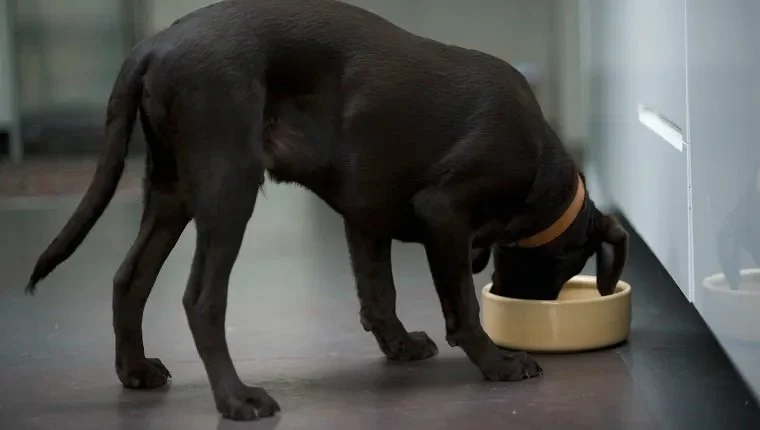
Just like humans, dogs can suffer from digestive issues, one of the most common being irritable bowel syndrome (IBS). IBS in dogs is a condition where the digestive system becomes irritated, leading to symptoms like diarrhea, constipation, and abdominal discomfort. Though IBS is not a disease in itself, it can cause discomfort for your dog and affect their quality of life.
What Causes IBS in Dogs? The exact cause of IBS in dogs is still not fully understood, but it can be triggered by various factors including stress, diet, infections, or even underlying health conditions. Understanding the root cause of your dog's IBS can help in managing the symptoms more effectively.
Common Risk Factors: Stress, changes in diet, food allergies, and infections can contribute to IBS in dogs. It's important to monitor changes in your dog's environment, feeding routine, or lifestyle that might be triggering digestive upset.
2. Symptoms of IBS in Dogs
IBS symptoms in dogs can vary, but common signs include:
- Frequent diarrhea or constipation
- Abdominal bloating or discomfort
- Flatulence (excessive gas)
- Weight loss or poor coat condition
- Changes in appetite
Many of these symptoms can also point to other gastrointestinal issues, so it's important to consult your veterinarian for an accurate diagnosis. If your dog experiences any combination of these symptoms, they may be dealing with IBS or another digestive issue.

3. How to Help a Dog With Irritable Bowel Syndrome
Helping a dog with IBS involves managing their symptoms and improving their quality of life. Below are several ways to alleviate IBS symptoms in dogs:
1. Adjust Their Diet: Switching to a high-quality, easily digestible dog food is one of the best ways to manage IBS symptoms. Foods with fewer fillers and higher fiber content can help regulate digestion and reduce inflammation. You can consult your vet for specific recommendations based on your dog's needs.
2. Stress Management: Stress is a known trigger for IBS, so creating a calm and stable environment for your dog is essential. Consider routines that reduce anxiety, such as regular walks, playtime, and safe spaces where they can rest.
3. Regular Vet Check-ups: Although IBS is a manageable condition, it’s important to have regular vet visits to monitor your dog’s health. Your vet may recommend medications to reduce inflammation, probiotics to improve gut health, or other treatments to manage symptoms effectively.
4. Supplements: In some cases, your vet may suggest digestive supplements or probiotics to support your dog’s gastrointestinal health. These supplements can promote a balanced gut flora and reduce symptoms such as bloating and diarrhea.
4. Diet and Nutrition for Dogs with IBS
One of the most important factors in managing IBS in dogs is ensuring that they receive the right nutrition. Dogs with IBS may benefit from:
- High-Quality, Low-Residue Foods: Foods with easily digestible ingredients help prevent flare-ups and improve digestion. Choose options that contain lean meats, rice, and vegetables.
- Increased Fiber: Fiber helps to regulate bowel movements. A moderate amount of fiber in the diet can improve constipation and diarrhea in dogs with IBS.
- Hydration: Proper hydration is critical for digestive health. Ensure your dog has constant access to fresh water, as dehydration can exacerbate IBS symptoms.
It may take some time to find the best diet that works for your dog. Keep in mind that consistency in their meals and feeding schedule can have a big impact on their digestive health. Consulting your vet for a customized diet plan is highly recommended.
5. When to See a Veterinarian for IBS in Dogs
While many dogs with IBS can be managed at home, it’s crucial to consult a veterinarian if:
- Your dog’s symptoms worsen or become more frequent
- There’s a noticeable weight loss or poor coat condition
- They show signs of severe discomfort or pain
- Diarrhea or constipation lasts longer than 48 hours
IBS can often be managed effectively with dietary changes, medication, and stress reduction. However, a veterinarian's guidance is key to ensuring your dog’s health and well-being. Your vet may also rule out other serious conditions that could be contributing to the symptoms.
For the best products and services related to your dog’s digestive health, consider visiting Pet & Puppy. From specialized diets to probiotics, we offer a wide selection of resources to help manage your dog's IBS effectively.




 Airport Animal Emergi-Center4.0 (819 reviews)
 Smith Kevin D DVM5.0 (1 reviews)
 Vetco Vaccination Clinic4.0 (6 reviews)
 Animal Medical Center of Dubois4.0 (192 reviews)
 Scottsburg Pet Center4.0 (123 reviews)
 Razmataz Ragdoll Cats5.0 (3 reviews)
 How to Help Dogs With Back Pain Issues
 What to Do After a Pet Emergency: Step-by-Step Guide
 How to Celebrate Pet Holidays: Fun Ideas & Safety Tips
 Understanding Pet Insurance: What Is and Isn’t Covered
 How to Help Dogs With Anxiety at Night
 How to Detect & Manage Pet Ear Tumors: Signs, Treatment & Care