
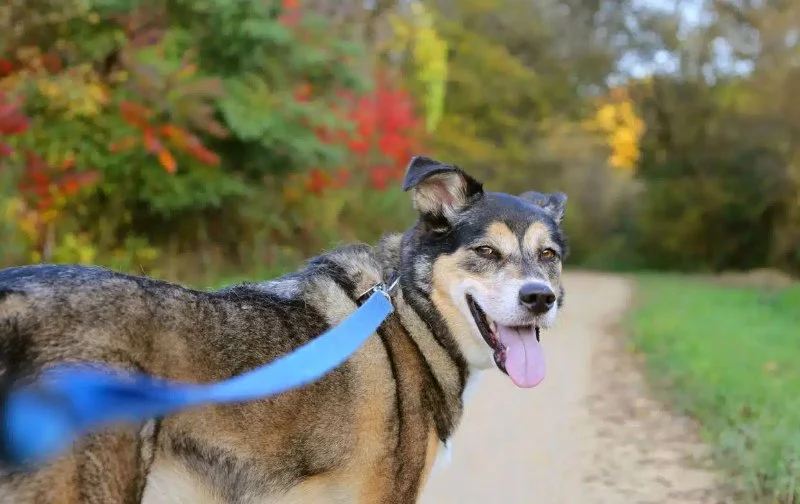
How to Help Dogs With Back Pain Issues
- 1- Understanding Back Pain in Dogs
- 2- Common Causes of Back Pain in Dogs
- 3- How to Recognize Back Pain in Dogs
- 4- Treatment Options for Dog Back Pain
- 5- Prevention Tips for Dog Back Pain
- 6- Why Choose Pet & Puppy for Your Dog's Health
1- Understanding Back Pain in Dogs
Just like humans, dogs can suffer from back pain, which can lead to discomfort and affect their overall quality of life. Back pain in dogs can range from mild to severe, and understanding the causes and symptoms is crucial for proper care. If left untreated, back pain can lead to long-term mobility issues and other health complications.
The spine and back muscles of dogs play a key role in their ability to move and function normally. When these areas are strained or injured, it can cause significant pain. Fortunately, there are numerous ways to help alleviate this pain and improve your dog's well-being.

Dynamite Animal Hospital
ScottsdaleMaricopa CountyArizona
10031 E Dynamite Blvd Ste 100, Scottsdale, AZ 85262, USA
2- Common Causes of Back Pain in Dogs
Back pain in dogs can be caused by various factors, including injury, genetics, and degenerative conditions. Here are some common causes of back pain in dogs:
- Intervertebral Disc Disease (IVDD): This condition occurs when the discs between the vertebrae in the spine herniate or degenerate, leading to pain and possible nerve damage. It is more common in certain dog breeds, especially those with long bodies like Dachshunds.
- Arthritis: Just like humans, dogs can develop arthritis as they age. This condition causes inflammation in the joints, which can lead to pain and stiffness in the back and other parts of the body.
- Trauma: Dogs can injure their back muscles or spine through accidents, falls, or rough play. Trauma to the spine can cause acute pain and lead to further complications if not properly treated.
- Obesity: Excess weight puts added strain on a dog’s back and joints, leading to pain and potential long-term issues such as arthritis or disc disease.
3- How to Recognize Back Pain in Dogs
Recognizing the symptoms of back pain in dogs can be tricky, as dogs often hide their discomfort. However, there are certain signs to watch for:
- Reluctance to Move: If your dog suddenly becomes less active, avoids jumping, or hesitates to walk, it may be a sign of back pain.
- Changes in Posture: Dogs in pain often adopt unusual postures, such as arching their backs or holding their head down low.
- Whining or Growling: If your dog is vocalizing more than usual or showing signs of distress when touched, particularly along their back, this could indicate pain.
- Stiffness or Lameness: Dogs with back pain may show stiffness, especially when they first get up or after resting. They may also limp or drag their paws.
- Loss of Appetite: Pain can cause a decrease in appetite or difficulty eating, as it may be painful to chew or bend down.
If you notice any of these signs, it’s important to consult with a veterinarian to get an accurate diagnosis and treatment plan for your dog’s back pain.

4- Treatment Options for Dog Back Pain
Once back pain in dogs is diagnosed, there are several treatment options available to help relieve the pain and improve mobility:
- Medications: Pain relievers and anti-inflammatory drugs, prescribed by a vet, can help alleviate discomfort and reduce inflammation. In more severe cases, corticosteroids may be used to treat inflammation.
- Physical Therapy: Physical therapy, including massage, acupuncture, and stretching exercises, can help improve mobility and strength in dogs with back pain.
- Surgical Intervention: For severe cases of back pain, such as those caused by IVDD or spinal trauma, surgery may be required to relieve pressure on the spine and prevent further damage.
- Weight Management: Helping your dog maintain a healthy weight can reduce strain on their back and joints, preventing further damage and pain.
5- Prevention Tips for Dog Back Pain
Preventing back pain in dogs is always better than treating it after it occurs. Here are a few tips to help protect your dog’s back:
- Exercise Regularly: Regular low-impact exercise helps keep your dog’s muscles strong and flexible, reducing the risk of injury.
- Maintain a Healthy Weight: Ensure your dog maintains a healthy weight to avoid extra strain on their back and joints.
- Provide Proper Bedding: Ensure your dog has a supportive bed that promotes proper posture while resting and sleeping.
- Avoid Excessive Jumping: Limit your dog’s ability to jump off high surfaces, such as furniture or stairs, to prevent unnecessary strain on their back.
6- Why Choose Pet & Puppy for Your Dog's Health
If you're looking for products to help your dog manage back pain or prevent future issues, Pet & Puppy offers a range of dog health solutions. From joint supplements to supportive bedding, we provide high-quality products that support your dog’s well-being and comfort.
Visit Pet & Puppy to explore our selection of pain management options, health supplements, and other essentials for your dog's overall health. We’re here to help you give your dog the best care possible.





 Great Miami Veterinary Care (prev AMC Miamisburg)4.0 (327 reviews)
 Banfield Pet Hospital4.0 (91 reviews)
 Independence Pet Hospital4.0 (95 reviews)
 k9 Waves5.0 (21 reviews)
 Pets Doc Veterinary Clinic4.0 (311 reviews)
 Tates Creek Animal Hospital4.0 (201 reviews)
 Leash Pulling in Dogs: Causes & Effective Correction Techniques
 How to Pet-Proof Your Home: Safety Tips for Every Room
 How to Tell if Your Pet Has Arthritis: Symptoms, Care, and Treatment
 How to Check & Clean Your Pet’s Paws After Outdoor Walks
 How to Detect & Manage Pet Ear Tumors
 Why Do Dogs Sniff the Ground So Much?