
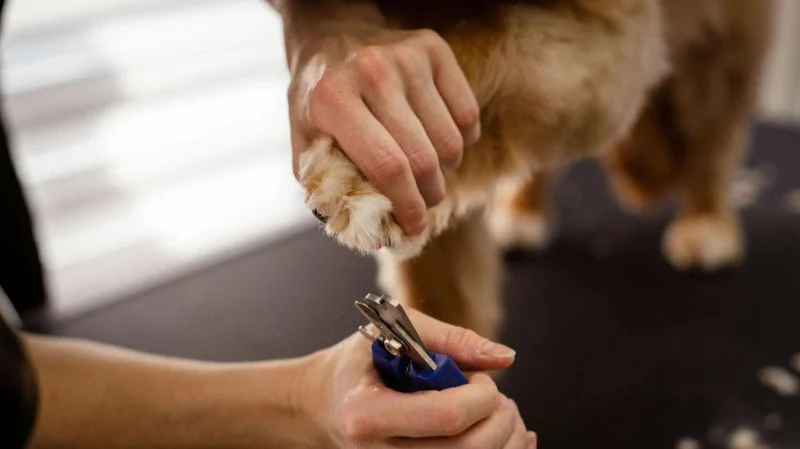
- Why dog nail care is essential for comfort, posture, and long-term health
- Understanding why dogs get anxious during nail trimming sessions
- How to prepare your dog for a calm and stress-free grooming experience
- Choosing the right tools for safe and accurate dog nail trimming
- Step-by-step guide on how to trim your dog’s nails safely at home
- How to trim nails for anxious or resistant dogs without stress
- Early puppy nail care and how to build lifelong grooming habits
- Common mistakes owners make during dog nail clipping
- Real-life grooming experiences and what dog owners learned
- When professional grooming becomes the better option
- How to maintain nail health and reduce trimming difficulty over time
- How Pet & Puppy helps owners find the right grooming tools and guidance
Why dog nail care is essential for comfort, posture, and long-term health
Many dog owners underestimate how important regular nail care is, but learning how to trim your dog’s nails is actually a key part of maintaining overall health. When nails grow too long, they change the way a dog walks, causing subtle shifts in posture that can lead to joint discomfort over time.
A dog’s nails should ideally not touch the ground when standing. Once they start clicking on hardwood floors, it is usually a sign that trimming is overdue. Overgrown nails can also split or break, causing pain and sometimes infection if the quick is exposed.
Veterinarians often compare nail health to shoe comfort in humans. Imagine walking in shoes that are slightly too long at the front—eventually, it affects your knees, hips, and even your back. Dogs experience a similar chain reaction, which is why regular maintenance is not just cosmetic but medically important.

Epperson Veterinary Services
EvansvilleVanderburgh CountyIndiana
13659 US-41, Evansville, IN 47725, USA
Understanding why dogs get anxious during nail trimming sessions
One of the biggest challenges in stress free dog grooming is understanding the emotional response behind nail trimming anxiety. Dogs are naturally sensitive to pressure around their paws because it is a vulnerable area used for balance and communication.
Some dogs associate nail clippers with past negative experiences, especially if they were accidentally clipped too short in the past. That single moment of pain can create long-lasting fear, making future trimming sessions difficult.
Even dogs without trauma can react nervously simply due to unfamiliar sounds and sensations. Clippers make a sudden pressure and clicking noise, which can trigger defensive behavior. Understanding this helps owners approach grooming with patience rather than frustration.

Dixie Animal Hospital
LouisvilleJefferson CountyKentucky
9428 Dixie State Rte, Louisville, KY 40272, USA
How to prepare your dog for a calm and stress-free grooming experience
Preparation is often the most overlooked part of dog nail trimming tips, yet it determines how successful the entire process will be. A calm environment can dramatically reduce anxiety before you even pick up the clippers.
Start by choosing a quiet space where your dog already feels safe. Avoid loud environments or busy areas of the home. Some owners find that placing a familiar blanket or toy nearby helps create a sense of security.
It also helps to handle your dog’s paws regularly without trimming at first. This builds familiarity and reduces sensitivity. Over time, the dog learns that paw handling does not automatically mean discomfort.
Choosing the right tools for safe and accurate dog nail trimming
The tools you use can significantly affect how easy or difficult it is to learn how to cut dog nails safely. There are two main types of tools commonly used: guillotine-style clippers and scissor-style clippers, each with different advantages.
Scissor-style clippers are often recommended for beginners because they offer better control and visibility. Guillotine clippers, while effective, require more precision and may feel intimidating for new users.
A nail grinder is another popular option, especially for dogs sensitive to clipping pressure. It gradually sands down the nail instead of cutting it, reducing the risk of cutting too close to the quick.
Choosing high-quality tools matters more than most people realize. Dull blades or poorly designed clippers can cause splitting, discomfort, and unnecessary stress for both dog and owner.
Step-by-step guide on how to trim your dog’s nails safely at home
A structured approach is essential when learning how to trim dog nails without causing stress. Start by gently holding your dog’s paw and identifying the tip of the nail. The goal is to remove small portions at a time rather than attempting a deep cut in one go.
For dogs with light-colored nails, the quick is often visible as a pink area inside the nail. For darker nails, trimming should be done gradually in thin layers until a slightly softer center texture appears.
Always reward your dog after each successful nail. Positive reinforcement builds trust and makes future sessions easier. Over time, your dog begins to associate trimming with treats rather than fear.
If you accidentally cut too close and see minor bleeding, it is important to stay calm. Dogs react strongly to their owner’s emotions, so maintaining a relaxed tone helps prevent escalation of anxiety.
How to trim nails for anxious or resistant dogs without stress
Some dogs require a more gradual approach to stress free dog grooming. Instead of trimming all nails in one session, break the process into smaller steps spread across multiple days.
For highly anxious dogs, desensitization is key. Start by simply showing the clippers, then rewarding calm behavior without using them. Gradually increase exposure until the dog no longer reacts negatively.
In more difficult cases, pairing grooming with positive distractions such as peanut butter on a licking mat can help shift focus away from the trimming process.
It is important not to force a resistant dog into submission, as this often worsens long-term anxiety. Patience builds trust, while pressure builds resistance.
Early puppy nail care and how to build lifelong grooming habits
Puppy nail care is one of the most important foundations of lifelong grooming behavior. Puppies are highly adaptable, which makes early exposure to nail trimming extremely valuable.
Introducing gentle paw handling during playtime helps normalize the sensation. Even if no trimming occurs, the puppy learns that paw contact is safe and routine.
Owners who begin grooming habits early often report significantly easier maintenance in adulthood. The dog simply views trimming as a normal part of life rather than a stressful event.
Common mistakes owners make during dog nail clipping
One of the most frequent mistakes in dog nail trimming tips is cutting too much at once. This increases the risk of hitting the quick, which causes pain and bleeding.
Another mistake is inconsistent trimming schedules. Allowing nails to grow too long makes each session more difficult because the quick also extends over time.
Owners also sometimes rush the process due to stress, which transfers anxiety to the dog. A slow, steady approach is always more effective than a quick but fearful session.
Real-life grooming experiences and what dog owners learned
One common story shared in pet communities involves a rescue dog that refused nail trimming entirely due to past trauma. The owner initially struggled but eventually adopted a gradual desensitization approach over several weeks.
Another widely discussed case involved a puppy that was introduced to nail trimming early. By adulthood, the dog calmly sat through grooming sessions without restraint, demonstrating the long-term benefits of early training.
These stories highlight that learning how to trim your dog’s nails is not just about technique—it is about building trust and emotional safety.
When professional grooming becomes the better option
While many owners prefer home grooming, there are situations where professional help is the safer choice. Extremely anxious dogs, thick black nails that are difficult to see through, or dogs with medical conditions may require expert handling.
Professional groomers are trained to manage stress and use specialized tools that reduce risk. In some cases, combining home maintenance with occasional professional trimming offers the best balance.
How to maintain nail health and reduce trimming difficulty over time
Consistency is the key to making dog nail trimming easier over time. Short, regular trims prevent overgrowth and reduce sensitivity in the quick.
Daily walking on rough surfaces like pavement can naturally wear down nails, reducing how often manual trimming is needed.
Over time, dogs become accustomed to the process, making each session smoother and less stressful for both owner and pet.
How Pet & Puppy helps owners find the right grooming tools and guidance
For many pet owners, the biggest challenge is not just learning how to trim your dog’s nails but finding the right tools and guidance for their specific dog’s temperament.
Pet & Puppy provides a curated approach to grooming support, helping owners discover suitable clippers, grinders, and grooming routines tailored to different dog breeds and behavior levels.
By focusing on practical guidance and real-world experience, it becomes easier for owners to build confidence and maintain long-term grooming habits without stress.



 Vetco Vaccination Clinic4.0 (24 reviews)
 Pet Dental USA4.0 (301 reviews)
 The Reptile Store4.0 (166 reviews)
 Low Cost Veterinary Surgery Clinic of Scottsdale4.0 (1329 reviews)
 VCA Fairleigh Animal Hospital4.0 (307 reviews)
 Dr. Julia Stricker Esposito, D.V.M4.0 (35 reviews)
 The Hidden Dangers in Common Pet Supplies: What You Need to Know
 Best Dog Harnesses for Small Breeds: Comfort and Style for Your Pup
 How to Tell if Your Pet Has Arthritis: Symptoms, Care, and Treatment
 What to Know About Canine Heart Disease and Early Warning Signs
 How to Safely Clean Your Pet's Ears and Prevent Ear Issues
 How to Introduce Your Pet to Water & Swimming