
- fit-selection-guide - How to Choose the Right Harness Fit for Your Dog
- padding-comfort-benefits - Why Comfortable Padding Matters for Daily Walks
- no-pull-training - How Padded Harnesses Help with Behavior and Control
- material-durability-safety - What Makes a Harness Durable and Escape-Resistant
- real-life-stories - Dog Owner Experiences and Common Mistakes
- product-recommendation-thinking - How to Compare Options Before Buying
Choosing Gear That Changes the Way Your Dog Walks
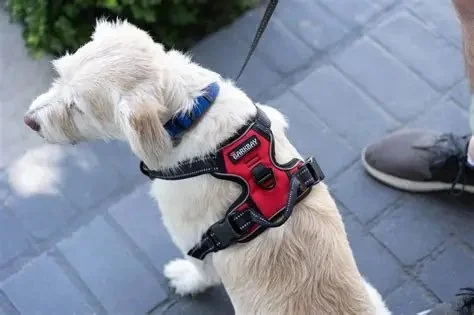
A leash walk should feel calm, not like a tug-of-war. Yet many dog owners only realize how much difference gear makes after switching to properly designed support equipment. Among all modern walking tools, best dog harnesses with comfortable padding have become the standard for reducing strain, improving control, and making everyday walks safer for both dogs and owners.
Instead of pressure concentrated around the neck, a padded harness distributes force across the chest and shoulders. This small design shift often transforms walking behavior almost immediately, especially for energetic or anxious dogs.

How to Choose the Right Harness Fit for Your Dog
Understanding Body Shape and Movement
Dogs are not built the same. A bulldog, a husky, and a toy poodle each require different harness structures. The goal is not just size matching—it’s ensuring movement freedom without rubbing or restriction.
A properly fitted padded dog harness should sit snug but not tight, allowing two fingers of space under each strap. Poor fit is one of the main reasons dogs resist wearing harnesses.

Adjustability That Actually Matters
Many owners overlook adjustability, assuming “small, medium, large” is enough. In reality, adjustable straps ensure the harness adapts as dogs grow, gain muscle, or change weight.
A well-designed adjustable dog harness breathable padding system prevents pressure points during long walks, especially in active breeds.
Why Comfortable Padding Matters for Daily Walks
Reducing Pressure and Preventing Injury
Dogs that pull repeatedly against collars can develop throat irritation or long-term neck strain. Padding changes how force is distributed, reducing impact on sensitive areas.
This is especially important for small breeds where even light pulling can create discomfort or breathing difficulty.
Heat Management and Breathability
Not all padding is equal. Cheap foam can trap heat, while modern breathable mesh padding allows airflow. This keeps dogs comfortable during summer walks or extended outdoor activity.
Owners often report that once they switch to properly padded gear, their dogs stop resisting walks altogether.
How Padded Harnesses Help with Behavior and Control
Reducing Pulling Without Harsh Correction
Instead of relying on force, a no pull dog harness padded design gently redirects motion toward the chest. This discourages pulling behavior naturally.
One dog owner from Oregon shared a common experience: their rescue dog Max pulled so hard on walks that outings became stressful. After switching to a padded harness, the pulling didn’t disappear overnight, but control improved enough that training became manageable instead of frustrating.
Better Communication Between Owner and Dog
Harnesses act like a communication bridge. When pressure is distributed evenly, dogs respond more clearly to directional cues. This makes training sessions smoother and less stressful.
For structured training guidance and gear recommendations, many owners explore platforms like Pet & Puppy to compare suitable walking equipment based on breed and behavior.
What Makes a Harness Durable and Escape-Resistant
Material Strength and Stitching Quality
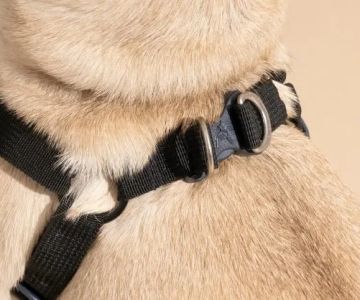
Durability is not just about thick fabric. Reinforced stitching, metal D-rings, and secure buckles determine whether a harness can handle sudden movement or strong pulling.
Low-quality harnesses often fail at connection points, especially when dogs lunge unexpectedly.
Escape-Proof Design Considerations
Some dogs, especially anxious or newly adopted ones, can slip out of poorly designed harnesses. An escape proof dog harness padded model typically includes dual straps and secure chest coverage.
This design is especially important in urban environments where distractions are constant.
Dog Owner Experiences and Common Mistakes
Overtightening for “Security”
A common mistake is tightening the harness too much. Owners assume it prevents escape, but it actually increases discomfort and resistance.
The correct approach is balance: snug enough for safety, loose enough for movement.
Ignoring Behavior Before Gear Selection
Not every dog needs the same harness style. A calm senior dog and a high-energy puppy require completely different support structures. Choosing without considering behavior often leads to unnecessary frustration.
Real-World Example from a Multi-Dog Household
A family with two dogs—one a calm Labrador and the other a reactive terrier—found that using identical harness types created control issues. Once they switched to different padded harness styles tailored to each dog’s behavior, walks became significantly more predictable.
How to Compare Options Before Buying
Comfort vs Control Balance
The best harness is not always the most padded or the most rigid. It’s the one that balances comfort with control based on walking environment.
Daily Use vs Occasional Use
Dogs that walk multiple times per day need lightweight, breathable padding. Occasional walkers may benefit from more structured support.
Checklist for Smart Selection
Before purchasing, owners should evaluate:
• Pressure distribution across chest• Breathability of padding material• Adjustability range• Durability of clips and seams• Ease of putting on and removing
These factors ensure the harness fits not just the dog—but the lifestyle of the owner as well.
Why Proper Harness Choice Improves Long-Term Walking Experience
A well-chosen harness is not just equipment—it becomes part of daily routine. Dogs that feel comfortable are more willing to walk, explore, and engage with their environment. Owners experience less stress, fewer corrections, and more enjoyable outdoor time.
Over time, the difference between a basic strap and a properly designed padded system becomes obvious. Walks shift from struggle to structure, and both sides benefit from the improved communication and comfort.




 Valet Vet Mobile Veterinary Services4.0 (287 reviews)
 Muhlenberg County Animal Hospital4.0 (315 reviews)
 Fo Da Lo0.0 (0 reviews)
 Wedgewood3.0 (391 reviews)
 Bowling Green Veterinary Emergency Clinic3.0 (55 reviews)
 Cable Michael L DVM4.0 (6 reviews)
 How to Build Confidence in a Shy Pet
 How to Build Confidence in a Shy Pet: Effective Tips and Techniques
 How to Tell if Your Pet Is in Pain (When They Can’t Speak)
 The Psychology Behind Pet Bonding: What Science Reveals
 The Future of Telemedicine for Pets: Prospects & Challenges
 Tips for Reducing Pet Allergy Symptoms in Multi-Pet Homes