
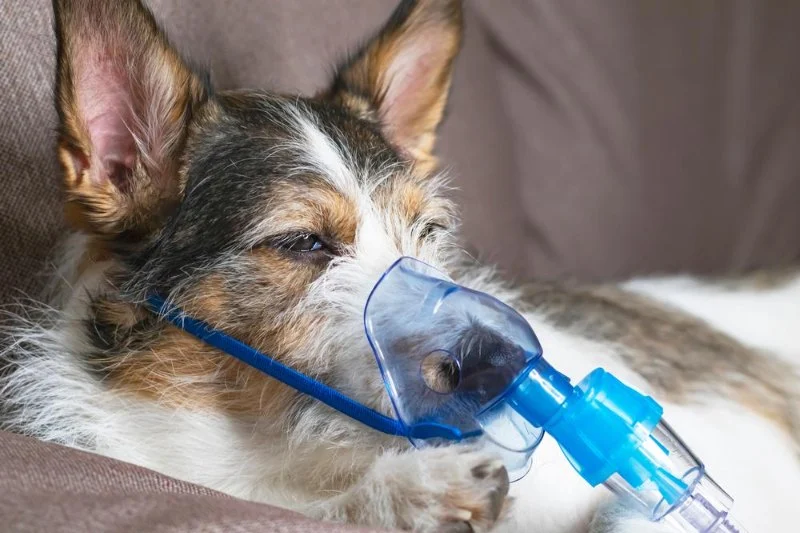
When Your Dog’s Breathing Changes: Early Clues You Should Never Ignore
- 1 - What Causes Respiratory Infections in Dogs and How They Spread - #canine-infection-causes
- 2 - Early Signs of Canine Respiratory Infection Every Owner Should Know - #early-dog-symptoms
- 3 - Differences Between Mild Cough and Serious Kennel Cough - #kennel-cough-signs
- 4 - How Dog Breathing Problems Progress Over Time - #dog-breathing-progression
- 5 - Real Case Story: A Dog Owner’s Experience With Sudden Illness - #real-dog-infection-case
- 6 - When Pet Respiratory Illness Becomes Dangerous - #dangerous-respiratory-infection
- 7 - Home Care vs Veterinary Treatment for Infected Dogs - #home-vs-vet-care
- 8 - How Canine Flu Symptoms Differ From Other Illnesses - #canine-flu-comparison
- 9 - Preventing Respiratory Infections in Dogs Through Daily Care - #prevention-tips-dogs
- 10 - Recovery Process and What to Expect After Treatment - #dog-recovery-process
- 11 - When to Seek Emergency Veterinary Help - #emergency-vet-care
What Causes Respiratory Infections in Dogs and How They Spread
Understanding canine respiratory infection starts with recognizing how easily it spreads among dogs. Many pet owners are surprised to learn that these infections are often transmitted in places dogs love most—parks, boarding facilities, grooming centers, and even casual neighborhood walks.
Respiratory infections in dogs are typically caused by a combination of viruses and bacteria that affect the upper and lower respiratory system. These pathogens spread through airborne droplets when an infected dog coughs, sneezes, or even breathes closely near another dog.

Why Dogs Are Highly Vulnerable in Social Settings
Dogs are naturally social animals. This behavior increases their exposure to pathogens, especially in crowded environments. Even a brief interaction at a dog park can be enough for transmission.
Stress, poor ventilation, and weakened immune systems can further increase risk, making some dogs more susceptible than others.

Early Signs of Canine Respiratory Infection Every Owner Should Know
Recognizing early dog health warning signs is crucial for preventing complications. Symptoms often start subtly and are easy to dismiss as minor irritation.
Persistent Coughing That Doesn’t Go Away
One of the earliest signs is a dry, persistent cough. It may sound like something is stuck in the throat, but it often indicates airway inflammation.
Runny Nose and Mild Eye Discharge
A clear or slightly cloudy nasal discharge is common in early infection stages. Some dogs may also develop watery eyes.
Reduced Energy and Appetite Changes
Dogs with early respiratory infections may appear less playful or lose interest in food, even if they do not show severe symptoms yet.
Differences Between Mild Cough and Serious Kennel Cough
Many owners confuse mild coughing with kennel cough signs, but there are important differences that help determine severity.
What Kennel Cough Typically Sounds Like
Kennel cough often produces a harsh, hacking sound, sometimes followed by gagging. It can appear sudden and persistent.
When a Mild Cough Becomes a Warning
If coughing continues for more than a few days or worsens at night or after activity, it may indicate a more serious infection rather than simple irritation.
How Dog Breathing Problems Progress Over Time
When dog breathing problems develop, they often follow a predictable pattern if left untreated.
Early Stage: Mild Irritation
At first, dogs may only show occasional coughing or slight nasal congestion. This stage is often overlooked.
Moderate Stage: Increased Respiratory Effort
Breathing may become heavier, especially after exercise. Some dogs may also start wheezing or showing fatigue more quickly.
Advanced Stage: Noticeable Distress
In severe cases, breathing becomes visibly labored. This requires immediate veterinary attention.
Real Case Story: A Dog Owner’s Experience With Sudden Illness
A dog owner in Denver shared a story about their Labrador who suddenly developed a dry cough after a weekend boarding stay. At first, they assumed it was minor irritation from playing too much.
However, within two days, the cough became more frequent and was accompanied by reduced appetite. A veterinary visit confirmed a mild form of canine respiratory infection.
After treatment and rest, the dog recovered fully within two weeks. What stood out in this case was how quickly a seemingly harmless symptom escalated.
This type of experience is common among pet owners, especially those who regularly use boarding or daycare services.
When Pet Respiratory Illness Becomes Dangerous
Not all pet respiratory illness cases are mild. Some can progress into pneumonia or other serious complications if ignored.
Signs of Worsening Infection
If coughing becomes deeper, breathing becomes rapid, or the dog shows extreme fatigue, the infection may be spreading to the lower respiratory tract.
Why Early Intervention Matters
Early treatment significantly reduces recovery time and prevents complications that may require hospitalization.
Home Care vs Veterinary Treatment for Infected Dogs
Many mild cases of dog infection treatment can begin with supportive home care, but knowing when to escalate is essential.
Supportive Home Care Methods
Rest, hydration, and limiting physical activity are often recommended during early stages. A calm environment helps reduce irritation.
When Veterinary Care Becomes Necessary
If symptoms persist beyond a few days or worsen, veterinary evaluation is required for proper diagnosis and medication.
How Canine Flu Symptoms Differ From Other Illnesses
canine flu symptoms can resemble other respiratory infections, but they often include fever, stronger lethargy, and more widespread outbreak patterns.
Key Differences to Watch For
Unlike mild kennel cough, canine flu tends to affect energy levels more dramatically and may spread rapidly among multiple dogs in the same environment.
Preventing Respiratory Infections in Dogs Through Daily Care
Prevention plays a key role in reducing the risk of canine respiratory infection.
Vaccination and Routine Vet Visits
Vaccines for kennel cough and influenza provide important protection, especially for dogs that socialize frequently.
Hygiene and Environment Control
Keeping shared items clean and avoiding overcrowded environments reduces exposure risk significantly.
Recovery Process and What to Expect After Treatment
Recovery from respiratory infections varies depending on severity. Mild cases often resolve within one to two weeks with proper care.
Gradual Return to Normal Activity
Dogs should slowly resume exercise to avoid relapse or fatigue.
Monitoring for Recurring Symptoms
Owners should continue observing breathing patterns and energy levels during recovery.
When to Seek Emergency Veterinary Help
If a dog shows severe breathing difficulty, refusal to eat, or signs of distress, immediate veterinary attention is required.
Early action can make a significant difference in outcomes, especially in advanced respiratory infections.
Supporting Pet Health Through Trusted Resources
For pet owners looking for reliable guidance, Pet & Puppy offers helpful insights and resources related to pet health, care products, and wellness support.
Understanding canine respiratory infection early allows owners to take action before symptoms become serious, ensuring pets stay healthy and active.





 Gaston Robert J DVM4.0 (8 reviews)
 MY PET'S PLACE4.0 (3 reviews)
 Discover Aquatics Shop4.0 (319 reviews)
 Southern Indiana Equine4.0 (122 reviews)
 Avant Veterinary Services0.0 (0 reviews)
 Doyle Veterinary Center, PLLC4.0 (214 reviews)
 How to Introduce a New Puppy or Kitten to Existing Pets
 How to Keep Aging Pets Comfortable at Home
 How to Build a First Aid Kit for Your Dog: Complete Pet Safety Guide
 How to Recognize Illnesses Before They Get Serious in Pets
 Why Dogs Lick People and What It Means: A Complete Guide
 Best Dog Harnesses for Puppies Learning to Walk