
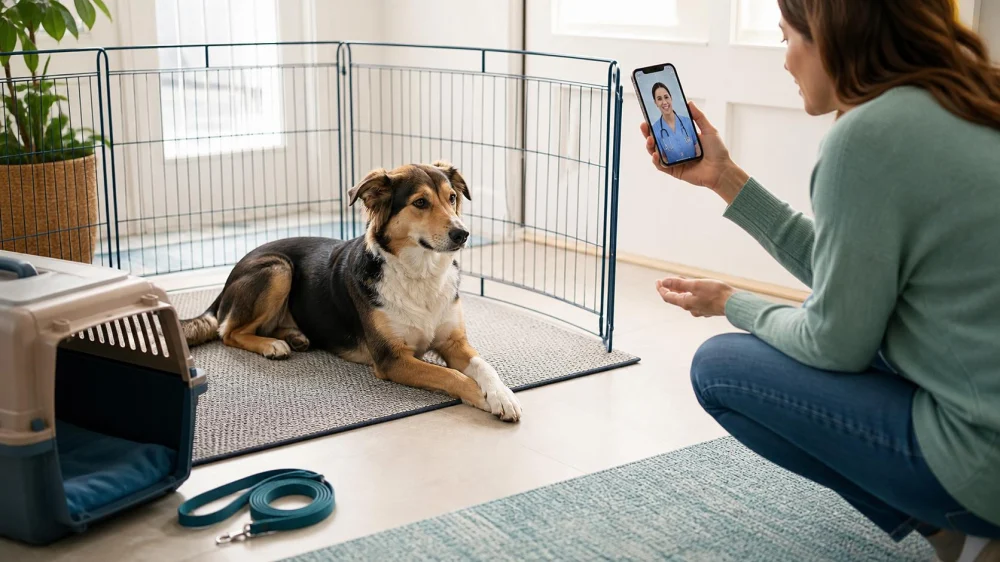
Pet Limping After Activity: Restrict Movement and Call the Veterinarian
On this page
Quick answer
When a dog, cat, or other pet begins limping after play, exercise, a jump, or an unknown event, stop the activity and restrict movement in a safe small area. Do not force the limb through a range of motion, massage a painful spot, splint it, or give human pain medicine. Call the veterinarian for triage and follow their timing and transport instructions.
Seek emergency veterinary care for major trauma, inability to stand, a dangling or visibly deformed limb, uncontrolled bleeding, severe pain, breathing trouble, collapse, paralysis, or another rapidly worsening condition.

Check for emergency signs
From a calm distance, check alertness, breathing, gum color if your veterinary team has taught you how, ability to stand, bleeding, obvious deformity, and whether the pet can place any weight. Keep your face and hands away from the mouth; even a gentle pet may bite when frightened or painful.
If a vehicle strike, fall from height, animal attack, or other significant trauma may have occurred, urgent assessment is warranted even when the limb is the most visible problem. Internal injuries may not be obvious. Call the clinic while preparing safe transport.
Observe without causing more pain
Record when the limp started, the activity immediately before it, which limb appears affected, whether it is constant or intermittent, and whether it worsens after rest or movement. Take a short video on a nonslip level surface only if the pet can walk safely and the clinic requests it. Do not make the pet repeat stairs, jumps, or running for documentation.
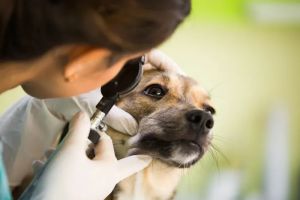
Without squeezing, look for a torn nail, bleeding pad, visible foreign material, swelling, heat, wound, or something wrapped around a toe. Stop if the pet resists. Do not dig into a paw, remove a deeply embedded object, or assume the problem is limited to the foot.
Protect the pet before the visit
- Confine the pet to a quiet crate or small room appropriate to species and temperament.
- Use a leash for brief bathroom trips when the veterinarian advises it.
- Block stairs, furniture jumping, rough play, and slippery floors.
- Separate other animals and provide food, water, and litter access without forcing movement.
- Transport small pets in a secure carrier; ask the clinic how to support a larger pet.
- Do not apply a tight wrap, heat, ice, topical product, or brace unless the veterinarian directs it.
- Do not delay the visit because the limp briefly improves.
Rest advice and examination timing depend on age, species, limb, trauma, pain, and medical history.
Give the veterinarian useful details
Provide species, breed, age, weight, medical conditions, current medications, recent surgery, activity, onset time, weight-bearing, swelling, wound, appetite, behavior, and any emergency signs. Send videos or photos only through the clinic’s approved method.
The FDA warns that medications for people—including some common pain relievers—may be harmful to pets. Its animal-drug FAQ recommends relying on the veterinarian for medication guidance. Do not use leftover medication from this or another pet without current instructions.
Limping checklist
- Activity stopped and movement restricted
- Emergency signs checked from a safe distance
- Onset, activity, limb, and weight-bearing recorded
- Short natural-walk video captured only if safe
- No forced joint exam or deep foreign-object removal
- No human or leftover medication given
- Veterinarian contacted for triage
- Safe carrier or transport plan prepared
- Changes in pain, breathing, or mobility monitored
Limitations
Limping can arise from nails, pads, muscles, tendons, ligaments, joints, bones, nerves, infection, or systemic illness. Appearance and willingness to walk cannot rule out a fracture or serious pain. Only a veterinary examination, and sometimes imaging or tests, can identify the cause.
FAQ
Can I wait overnight?
Call the veterinarian for timing. Age, trauma, pain, weight-bearing, and other signs change urgency.
Should I test the joint?
No. Forcing motion can worsen pain or injury and may provoke a bite.
Can I give ibuprofen or acetaminophen?
Do not give human medication unless a veterinarian specifically prescribes it for that pet.
What if the limp disappears?
Continue the advised restriction and report the episode, especially if it recurs.
Can I remove a thorn?
Ask the clinic. Deep, painful, bleeding, or uncertain objects should be handled professionally.
Evidence notes
Veterinary triage rests on the mechanism, onset, affected limb, weight-bearing, pain, swelling, wound, neurological signs, overall behavior, medications, and exam findings. A dated video of natural movement can add evidence, while repeated forced demonstrations can cause harm. FDA guidance supports veterinarian-led medication decisions.
Conclusion
A new limp deserves protection, not a home stress test. Stop activity, screen for emergency signs, observe gently, restrict movement, avoid human medicines and improvised splints, and let the veterinary team decide when and how the pet should be examined.



 Apollo Animal Hospital4.0 (986 reviews)
 Sunburst Animal Hospital4.0 (977 reviews)
 Westridge Animal Hospital4.0 (251 reviews)
 IndyVet Emergency & Specialty Hospital4.0 (2168 reviews)
 Bright Veterinary Clinic4.0 (363 reviews)
 Burlington Pet Hospital4.0 (118 reviews)
 Best Dog Foods for Small Breed Adult Dogs: Top Choices for Health and Wellness
 Best Dog Parks in Major US Cities and Safety Tips
 How to Choose the Right Dog Bed for Your Pup: Complete Buying Guide
 How to Train Dogs to Be Calm With Loud Music: Practical Tips and Techniques
 How to Help Dogs With Anxiety at Night and Improve Sleep
 Dog Suddenly Limping? When to Call a Veterinarian