

- 1 - Introduction to Flea, Tick & Mosquito Risks
- 2 - Flea Risks for Pets in 2025
- 3 - Tick Risks for Pets in 2025
- 4 - Mosquito Risks for Pets in 2025
- 5 - Prevention and Treatment Options for Pets
1. Introduction to Flea, Tick & Mosquito Risks
As the climate continues to change and pests evolve, it’s becoming increasingly important to understand the risks that fleas, ticks, and mosquitoes pose to pets in 2025. These pests can cause serious health issues for pets, from skin irritation to dangerous diseases. In this article, we’ll explore how these pests affect your pets, the risks associated with them, and how to protect your pets from these dangers.
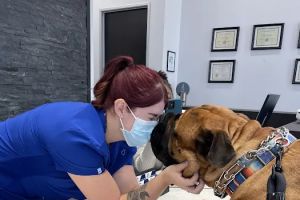
Desert Ridge Animal Hospital
5415 E High St #137, Phoenix, AZ 85054, USA
2. Flea Risks for Pets in 2025
Fleas are a persistent threat to pets, and their prevalence is expected to remain high in 2025. Fleas are more than just an itchy nuisance; they can lead to serious health issues like flea allergy dermatitis (FAD), anemia, and the transmission of tapeworms. Flea infestations are especially dangerous for puppies, kittens, elderly pets, and pets with compromised immune systems.

Why Flea Infestations Are on the Rise
Climate changes and warmer winters are contributing to longer flea breeding seasons, allowing fleas to thrive in areas that were once too cold. Fleas are also becoming more resistant to certain pesticides, making them harder to control. As a result, it’s essential to stay proactive about flea prevention and treatment in 2025.
Flea Prevention and Treatment
To protect your pet from fleas, ensure they are on a regular flea preventative regimen. This includes using flea collars, topical treatments, or oral medications. Additionally, regular grooming and vacuuming of your home can help prevent infestations. Be sure to consult your veterinarian for the best flea control options tailored to your pet’s needs.
3. Tick Risks for Pets in 2025
Ticks are another significant risk for pets, particularly in areas with wooded or grassy environments. Ticks carry diseases like Lyme disease, Rocky Mountain spotted fever, and ehrlichiosis, which can be transmitted to pets through a bite. The risk of tick-borne diseases is expected to grow in 2025 as tick populations increase and expand into new areas.
How Ticks Spread and Impact Pets
Ticks are active year-round in many parts of the U.S., especially in wooded areas, parks, and backyards. Ticks latch onto pets while they’re outdoors, and their bites can lead to serious health conditions if not treated. In 2025, we may see a wider range of ticks in more areas, further increasing the risk to pets.
Preventing Tick Bites
Tick prevention is crucial for pet owners, especially in high-risk areas. Common tick preventatives include oral medications, topical treatments, and tick collars. Additionally, performing regular tick checks after outdoor activities and ensuring that your pet’s environment is tick-free are vital steps in preventing tick-borne illnesses.
4. Mosquito Risks for Pets in 2025
While mosquitoes are often seen as a nuisance, they pose a more serious risk to pets, particularly when it comes to heartworm disease. Mosquitoes transmit heartworm larvae to pets when they bite, leading to potentially fatal heartworm infections. In 2025, warmer temperatures and increased rainfall are expected to expand mosquito breeding grounds, making heartworm more prevalent in different areas.
Heartworm Disease and Other Mosquito-Borne Illnesses
Heartworm disease is the most common and concerning mosquito-borne illness affecting pets. The disease can lead to serious heart and lung complications, often requiring costly treatments. Mosquitoes also carry other diseases, such as West Nile virus, which can have a severe impact on your pet’s health.
Preventing Mosquito Bites
Preventing mosquito bites is essential for protecting your pet from heartworm disease and other mosquito-borne illnesses. Use mosquito repellents specifically designed for pets, and ensure your pet is on a year-round heartworm preventative. Regular vet visits are also important to ensure your pet remains heartworm-free.
5. Prevention and Treatment Options for Pets
Preventing flea, tick, and mosquito infestations requires a combination of proactive care and vigilance. Here are some general prevention strategies:
Regular Vet Checkups
Routine checkups with your veterinarian are essential for preventing and treating infestations. Your vet can recommend the best preventative treatments, such as flea, tick, and mosquito control products, and can provide guidance on how to manage any existing infestations.
Environmental Control
Maintaining a clean environment is key to preventing flea, tick, and mosquito infestations. Regularly clean and treat your pet’s bedding, carpets, and furniture. Yard maintenance, such as trimming overgrown grass and eliminating standing water, can reduce mosquito and tick populations around your home.
Use of Preventative Medications
There are a variety of flea, tick, and mosquito preventatives available, including topical treatments, oral medications, and collars. Discuss with your veterinarian which products will work best for your pet’s lifestyle and environment. Consistent use of these preventatives can help ensure your pet stays protected from these pests year-round.
By staying informed about the risks and taking preventative measures, you can ensure your pet remains safe and healthy in 2025. Regular vet visits, preventive treatments, and careful environmental management are your best tools for protecting your pets from fleas, ticks, and mosquitoes.






 Backyard Birds4.0 (89 reviews)
 White Stone Veterinary Clinic4.0 (160 reviews)
 Performance Equine Specialists4.0 (7 reviews)
 Arizona Bird Store4.0 (878 reviews)
 Artistic Aquariums, Inc4.0 (407 reviews)
 Jason's Plecos & Cichlids LLC5.0 (239 reviews)
 Understanding Pet Insurance: What Is and Isn’t Covered
 Managing Chronic Conditions in Pets: Essential Diet, Medication & Lifestyle Tips
 How to Manage Multi-Pet Households: Tips for Feeding, Space, and Harmony
 How 3D Printing Is Being Used in Pet Prosthetics & Surgery | Pet & Puppy
 htmlCopy codeHow to Help Pets Cope with Fireworks & Loud Noises
 Teaching a Dog to Wait at Doors & Gates