
- Why Do Dogs Paw at Their Water Bowl
- Natural Instincts Behind Water Bowl Behavior
- Common Reasons Dogs Paw at Water Bowls
- When Pawing May Indicate a Health Concern
- Breed and Age Differences
- Real Life Examples from Dog Owners
- How to Reduce Unwanted Water Bowl Pawing
- Choosing the Right Water Bowl
- Creating a Healthy Hydration Routine
- Frequently Asked Questions
Why Do Dogs Paw at Their Water Bowl?
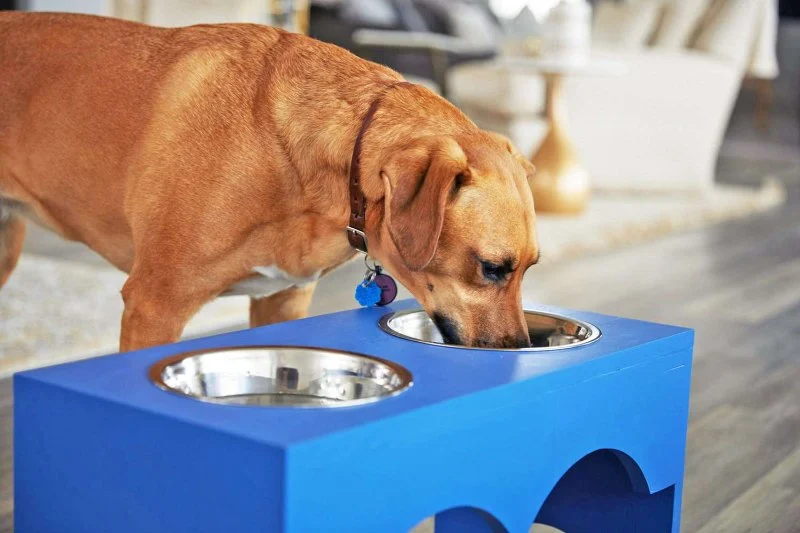
If you have ever walked into your kitchen and discovered a puddle of water surrounding your dog's bowl, you may have wondered, "Why do dogs paw at their water bowl?" This behavior is surprisingly common among dogs of all ages and breeds. Some dogs gently tap the water before drinking, while others enthusiastically splash, scratch, dig, or push their bowls across the floor.
Although the behavior may appear strange, it is often linked to instinct, curiosity, communication, environmental factors, or even certain health conditions. Understanding the motivation behind the behavior can help owners determine whether it is simply a harmless habit or a sign that requires attention.
Most of the time, pawing at a water bowl is completely normal. Dogs interact with their environment through multiple senses, including touch. Their paws provide valuable information about textures, temperatures, and objects around them. However, repeated or sudden changes in behavior should always be evaluated carefully.

Natural Instincts Behind Water Bowl Behavior
1. Ancient Survival Behaviors
Many canine behaviors can be traced back to their wild ancestors. Wolves and wild dogs often interacted with natural water sources before drinking. Moving water was generally safer than stagnant water because it was less likely to contain contaminants.
Some animal behavior experts believe that pawing at water may represent a modern version of testing a water source. Even though today's household pets have access to clean water, instinctive behaviors can persist for generations.

Focus Veterinary Care
NicholasvilleJessamine CountyKentucky
307 S Main St, Nicholasville, KY 40356, USA
2. Investigating Their Environment
Dogs learn about the world through exploration. Just as a dog might sniff a new toy or nudge a blanket, it may touch the water surface with a paw to investigate.
This behavior is especially common among:
- Puppies discovering new experiences.
- Highly curious breeds.
- Dogs exposed to new bowls or water stations.
- Pets that enjoy sensory stimulation.
3. Digging Instincts
Many dogs possess strong digging instincts. Breeds originally developed for hunting, burrowing, or working underground may transfer digging behaviors to indoor environments.
Instead of digging soil, they may scratch floors, bedding, furniture, or water bowls. In some cases, the water bowl simply becomes another object that triggers instinctive digging behavior.
Common Reasons Dogs Paw at Water Bowls
1. They Are Playing
One of the most common explanations is simple fun. Water moves, splashes, and reflects light, making it naturally interesting to many dogs.
Why Water Becomes a Toy
Dogs often enjoy activities that create movement and stimulation. A bowl of water provides:
- Interesting sounds.
- Changing reflections.
- Ripples and movement.
- Cool sensations on the paws.
Puppies and young dogs are especially likely to engage in playful water-related behavior.
2. They Want Fresh Water
Some dogs paw at their water bowl when they want fresh water. A dog may learn that splashing, tipping, or moving the bowl gets an owner's attention.
Over time, the dog realizes that making a mess often results in receiving a freshly filled bowl.
Signs This May Be the Cause
- The behavior occurs before refills.
- The dog drinks immediately after fresh water is added.
- The bowl contains debris, food particles, or warm water.
3. The Water Level Feels Unusual
Dogs sometimes have surprisingly specific preferences regarding water levels.
Some dogs dislike drinking from nearly empty bowls because the changing reflections make it difficult to judge depth. Others may be uncomfortable when bowls are filled too high and water touches their whiskers.
A few experimental adjustments can reveal whether water depth influences your dog's behavior.
4. Attention-Seeking Behavior
Dogs quickly learn which actions attract human responses.
If pawing at the water bowl causes owners to:
- Talk to them.
- Clean up spills.
- Refill water.
- Provide interaction.
The dog may repeat the behavior because it successfully gains attention.
A Common Household Scenario
A dog splashes water across the kitchen floor. The owner rushes over and begins talking, cleaning, and engaging with the pet. From the dog's perspective, the activity resulted in attention and interaction.
Even negative attention can sometimes reinforce behavior.
5. Boredom and Lack of Stimulation
Dogs require both physical exercise and mental enrichment. When these needs are not fully met, they often create their own entertainment.
Water bowls can become fascinating sources of stimulation for bored dogs.
Additional Signs of Boredom
- Excessive barking.
- Chewing furniture.
- Digging indoors.
- Pacing.
- Seeking constant attention.
Increasing daily activity often reduces repetitive bowl-related behaviors.
6. Anxiety or Stress
Stress can sometimes trigger repetitive actions.
Dogs experiencing changes in routine, moving to a new home, separation anxiety, or environmental stressors may develop unusual habits around food and water bowls.
In these situations, pawing may function as a self-soothing behavior.
When Pawing May Indicate a Health Concern
Although pawing is usually harmless, certain situations warrant closer attention.
1. Vision Changes
Dogs with declining eyesight may use their paws to locate or confirm the position of water.
Potential Signs
- Bumping into furniture.
- Hesitation in unfamiliar areas.
- Difficulty locating bowls.
- Increased caution around steps.
Senior dogs are particularly susceptible to vision-related changes.
2. Dental Pain
Dogs suffering from dental discomfort may interact with water differently.
If drinking causes discomfort, a dog may hesitate, paw at the bowl, or display unusual drinking habits.
Additional Symptoms
- Bad breath.
- Dropping food.
- Difficulty chewing.
- Swollen gums.
- Reduced appetite.
3. Neurological Conditions
In rare cases, repetitive or compulsive behaviors may be associated with neurological issues.
If pawing becomes excessive, obsessive, or appears suddenly without explanation, veterinary evaluation is recommended.
4. Obsessive-Compulsive Behaviors
Some dogs develop repetitive behaviors similar to compulsions. Examples include:
- Tail chasing.
- Shadow chasing.
- Excessive licking.
- Repeated bowl pawing.
These behaviors often benefit from professional behavioral guidance.
Breed and Age Differences
1. Sporting and Water-Loving Breeds
Breeds with historical connections to water often show greater interest in water-related activities.
Examples include:
- Labrador Retrievers.
- Golden Retrievers.
- Portuguese Water Dogs.
- Newfoundlands.
These breeds may simply enjoy interacting with water.
2. Terriers and Digging Breeds
Terriers were bred to dig and pursue prey underground. Their strong instinct to scratch and dig can easily transfer to water bowls.
3. Puppies
Puppies frequently paw at water because they are learning how objects behave.
For many young dogs, water bowls represent fascinating sensory experiences rather than hydration tools.
4. Senior Dogs
Older dogs may develop new bowl behaviors due to:
- Reduced vision.
- Cognitive changes.
- Arthritis.
- Changes in hearing.
Monitoring new behaviors in senior pets is particularly important.
Real Life Examples from Dog Owners
Example 1: The Curious Puppy
A six-month-old Labrador repeatedly splashed water throughout the kitchen. After several weeks, the owners noticed the behavior occurred mostly after long periods without playtime.
By adding puzzle toys and longer walks, the splashing behavior decreased significantly.
Example 2: The Senior Companion
An eleven-year-old mixed-breed dog suddenly began pawing at the water bowl before every drink. A veterinary examination revealed developing cataracts. The dog was using its paw to confirm the water's location before drinking.
Example 3: The Attention Expert
A rescue dog learned that splashing water guaranteed immediate owner interaction. Once the family stopped reinforcing the behavior and rewarded calm drinking instead, the habit gradually disappeared.
How to Reduce Unwanted Water Bowl Pawing
1. Increase Physical Exercise
Many behavioral issues improve when dogs receive appropriate exercise.
Daily Activity Ideas
- Long walks.
- Fetch sessions.
- Swimming.
- Agility training.
- Interactive games.
Tired dogs are less likely to invent their own entertainment.
2. Provide Mental Enrichment
Mental stimulation is equally important.
Helpful Enrichment Activities
- Puzzle feeders.
- Scent games.
- Training exercises.
- Food-dispensing toys.
- Rotating toy collections.
3. Maintain Fresh Water
Clean, cool water encourages normal drinking habits.
Wash bowls regularly and replace water throughout the day when needed.
4. Reward Calm Behavior
Positive reinforcement works better than punishment.
Whenever your dog approaches the bowl calmly and drinks appropriately, provide praise or rewards.
Over time, the dog learns which behavior earns positive outcomes.
5. Avoid Accidentally Reinforcing Pawing
If the behavior is attention-driven, excessive reactions may strengthen it.
Instead, focus on rewarding desired behaviors and minimizing unnecessary attention during unwanted actions.
Choosing the Right Water Bowl
1. Heavy Bowls
Weighted stainless-steel bowls are harder to push and tip.
These bowls often reduce opportunities for playful splashing.
2. Non-Slip Bases
Rubber-bottomed bowls stay in place more effectively, making them less appealing for dogs that enjoy moving objects.
3. Splash-Resistant Designs
Modern splash-resistant bowls limit water movement and reduce spills.
They are particularly useful for enthusiastic pawers.
4. Elevated Water Stations
Some dogs benefit from elevated bowls that improve comfort and reduce awkward positioning.
Experimentation can help determine which setup works best.
Creating a Healthy Hydration Routine
1. Monitor Water Consumption
Changes in drinking behavior can provide valuable health information.
Owners should periodically observe:
- Daily water intake.
- Frequency of drinking.
- Behavior around the bowl.
- Changes in thirst.
2. Establish Consistency
Dogs thrive on predictable routines.
Keeping feeding, walking, and hydration schedules consistent often reduces stress-related behaviors.
3. Schedule Routine Veterinary Care
Regular wellness exams help identify medical issues before they become serious.
If pawing behavior suddenly changes or is accompanied by excessive thirst, lethargy, appetite changes, or weight loss, professional evaluation is important.
Many pet owners also use resources from Pet & Puppy to learn more about normal canine behaviors, hydration habits, nutrition, and preventive care strategies that support long-term wellness.
Frequently Asked Questions
1. Is it normal for dogs to splash water before drinking?
Yes. Many dogs splash, tap, or paw at water before drinking. In most cases, the behavior is harmless and related to curiosity, playfulness, or instinct.
2. Why does my dog scratch the floor around the water bowl?
This behavior may be linked to digging instincts, scent-marking tendencies, or attempts to create a preferred drinking area.
3. Should I stop my dog from pawing at the water bowl?
If the behavior is harmless and occasional, intervention may not be necessary. However, excessive splashing or sudden behavioral changes should be investigated.
4. Can anxiety cause water bowl pawing?
Yes. Stress and anxiety can contribute to repetitive behaviors, including pawing, scratching, or splashing around water sources.
5. When should I contact a veterinarian?
Consult a veterinarian if the behavior appears suddenly, becomes obsessive, is accompanied by excessive drinking, vision changes, appetite loss, weight changes, or any other concerning symptoms.
Understanding why dogs paw at their water bowl requires looking at the behavior from multiple angles. Sometimes it is playful curiosity. Other times it reflects instinctive habits passed down through generations. In a smaller number of cases, it may provide valuable clues about health or emotional well-being. By observing patterns, maintaining a healthy routine, and providing proper enrichment, owners can better understand their dogs and create a more comfortable environment for them to thrive.




 Farmstead Veterinary Service PC4.0 (52 reviews)
 Jefferson Animal Hospital Fern Creek4.0 (250 reviews)
 Desert Veterinary Medical Specialists4.0 (14 reviews)
 North Kenilworth Veterinary Care4.0 (587 reviews)
 Wallace Veterinary Clinic4.0 (126 reviews)
 Noah's Ark Animal Clinic of Springdale4.0 (133 reviews)
 How to Bathe a Dog That Hates Water: Tips, Tricks, and Step-by-Step Guide
 Best Dog Parks in Major US Cities and Safety Tips
 Tips for Helping Your Dog Adjust to a New Baby
 What Every Dog Owner Should Know About Rabies
 Why Is My Dog Scooting on the Floor? Causes and Solutions Explained
 Remote Monitoring of Chronic Illness in Pets: A New Era in Pet Healthcare