
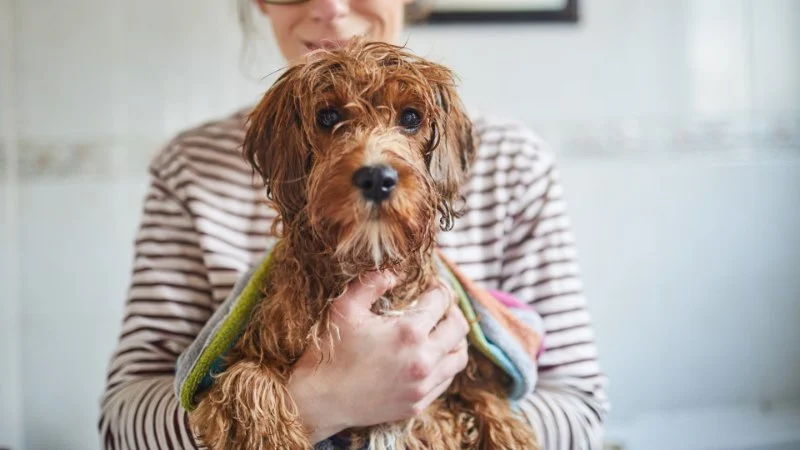
Understanding Why Dogs Shake After a Bath
- - Natural Shaking Mechanism in Dogs
- - Temperature Regulation and Drying
- - Stress and Anxiety Related Shaking
- - Age and Health Factors Influencing Shaking
- - Observing Your Dog’s Shaking Patterns
- - Practical Tips to Manage Bath Shaking
- - Real-Life Stories from Pet Owners
- - Enhancing the Bath Time Experience
- - Keeping Your Dog Safe and Comfortable
Natural Shaking Mechanism in Dogs
Shaking after a bath is a natural reflex for dogs. This behavior is rooted in their evolutionary biology, allowing them to quickly remove excess water from their fur. The rapid, whole-body shake can fling water droplets off their coats at impressive speeds, helping them regulate body temperature and prevent prolonged dampness.
The intensity and duration of shaking vary among breeds. For example, dogs with double coats, such as Golden Retrievers or Huskies, often shake more vigorously compared to short-haired breeds due to the extra insulation that retains water.
Temperature Regulation and Drying
Water on a dog’s skin and fur can significantly lower their body temperature. Shaking helps mitigate this effect by dispersing water quickly, especially when the air temperature is cooler. This rapid drying method is a natural way for dogs to maintain comfort and prevent chills, which is particularly important for puppies or smaller breeds.
After a bath, dogs often follow shaking with licking or rubbing against towels or furniture. These additional methods complement the shaking, ensuring their coat dries efficiently and their skin stays healthy.

Stress and Anxiety Related Shaking
Some dogs shake not just to dry off but also due to stress or anxiety. Bath time can be a high-stress experience for pets that are not accustomed to water, loud noises, or handling. Shaking in this context serves as a coping mechanism to release tension.
Dogs may also exhibit subtle behaviors before or after shaking, such as pacing, whining, or avoiding the bath area. Understanding these signs can help pet owners adjust the bathing environment to reduce stress.
Age and Health Factors Influencing Shaking
While shaking is normal, persistent or unusual tremors may indicate underlying health concerns. Older dogs or those with joint issues may shake due to discomfort or pain. Similarly, hypoglycemia, neurological conditions, or fever can manifest as shaking post-bath.
Pet owners should observe patterns carefully. If shaking is accompanied by lethargy, excessive drooling, or vomiting, consulting a veterinarian is recommended to rule out medical issues.
Observing Your Dog’s Shaking Patterns
Tracking when and how your dog shakes after a bath provides insight into their comfort level and health status. Quick, vigorous shakes immediately after leaving the water are generally healthy. However, prolonged or intermittent shaking may signal anxiety or discomfort that needs attention.
Maintaining a diary of your dog’s post-bath behavior, noting the type of bath, water temperature, and duration, can help identify patterns and improve future bathing experiences.
Practical Tips to Manage Bath Shaking
1. Prepare Your Bath Area
Use non-slip mats to give your dog secure footing, reducing stress and preventing injuries while shaking.
2. Adjust Water Temperature
Warm water helps prevent chills and minimizes the instinctive need to shake excessively. Avoid water that is too hot or cold.
3. Use Absorbent Towels
Patting your dog gently with towels before they shake can reduce water dispersion around your home and help them feel comfortable.
4. Gradual Exposure
For anxious dogs, gradually introducing water and bath routines can reduce stress-induced shaking over time.
Real-Life Stories from Pet Owners
Many dog owners share amusing stories about bath-time shakes. One Golden Retriever owner described how their dog’s shake after a bath would spray water across the bathroom, prompting the family to invent a “shake zone” lined with towels. Another story featured a small Terrier that would shake mid-bath, seemingly delighted by the water itself, illustrating how some dogs find bath time playful rather than stressful.
Stories like these emphasize the individuality of each pet and the importance of observing behavior to enhance care and comfort.
Enhancing the Bath Time Experience
Positive reinforcement, toys, and gentle handling can transform bath time from a stressful task into an enjoyable bonding activity. Offering treats after the bath or playing calm music can reduce anxiety and minimize post-bath shaking caused by stress.
Keeping Your Dog Safe and Comfortable
Always prioritize safety during and after bathing. Dry your dog thoroughly, especially in folds of skin or dense coats, to prevent fungal or bacterial growth. Regular grooming and brushing between baths help maintain coat health, reducing the need for vigorous shaking after each wash.
For high-quality grooming products and accessories, Pet & Puppy offers expert recommendations and solutions designed to keep your dog happy, healthy, and comfortable during bath time and beyond.

 United Pet Care, LLC3.0 (57 reviews)
 Banfield Pet Hospital4.0 (189 reviews)
 All-Star Animal Hospital: Kara Ericksen DVM, Matt Ericksen DVM3.0 (10 reviews)
 GoodVets Paradise Valley4.0 (117 reviews)
 PetVet Vaccination Clinic5.0 (3 reviews)
 VIP Petcare Vaccination Clinic0.0 (0 reviews)
 Why Dogs Lick People and What It Means: A Complete Guide
 How to Stop Excessive Barking: Tools & Training Tips for Dogs
 How to Use Behavior Tracking Apps for Pets: Monitor Health & Behavior
 Benefits of Virtual Vet Consultations: When It Makes Sense
 Best Dog Harnesses for Everyday Activities
 Dealing with Separation Anxiety in Dogs & Cats: Tips and Solutions