
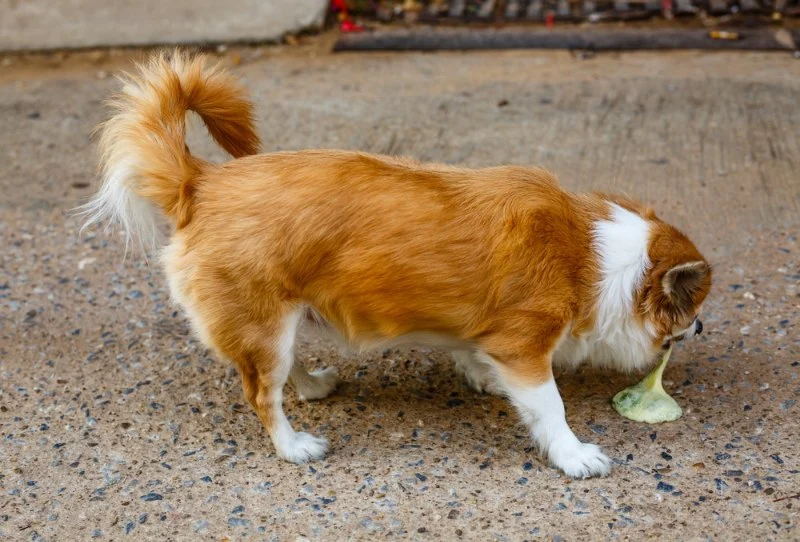
- why-is-my-dog-vomiting-common-causes - understanding normal vs abnormal vomiting in dogs
- dog-vomiting-causes-food-diet-toxins - what triggers stomach upset in pets
- when-to-see-vet-for-dog-vomiting-warning-signs - red flags every dog owner should know
- real-life-dog-vomiting-cases-and-stories - practical experiences from pet owners
- dog-vomiting-treatment-and-home-care-tips - safe steps before visiting a veterinarian
Understanding Why Is My Dog Vomiting
One of the most worrying moments for any pet owner is seeing their dog suddenly vomit. The immediate question that comes to mind is why is my dog vomiting, and whether it is something minor or a sign of a serious health problem. Vomiting in dogs is not a disease itself but a symptom that can be linked to many different conditions.
In most cases, occasional vomiting may not be dangerous. Dogs may vomit due to eating too fast, consuming something unusual, or mild stomach irritation. However, repeated or severe vomiting often signals underlying issues that need attention.
Veterinarians emphasize that understanding the pattern, frequency, and appearance of vomit is key to identifying whether the issue is simple or medically serious.

Common Dog Vomiting Causes Every Pet Owner Should Know
Dietary Indiscretion and Eating Habits
One of the most common dog vomiting causes is eating something inappropriate. Dogs are naturally curious and may consume garbage, spoiled food, or foreign objects during walks or at home.
For example, a dog in Chicago was reported to have eaten leftover fast food packaging, which led to stomach irritation and vomiting for two days. After veterinary care, the dog recovered fully, but the incident highlighted how common this behavior is.

Food Intolerance or Sudden Diet Changes
Dogs can have sensitive digestive systems. Switching food too quickly or introducing new treats can cause stomach upset. Gradual dietary transitions are recommended to avoid digestive stress.
Infections and Parasites
Bacterial infections, viruses, and intestinal parasites are also frequent causes of vomiting. Puppies are especially vulnerable due to weaker immune systems.
Ingesting Toxic Substances
Household items such as chocolate, cleaning chemicals, or certain plants can be toxic to dogs. In these cases, vomiting may be an early warning sign of poisoning and requires immediate attention.
When Vomiting Becomes a Serious Warning Sign
Frequency and Duration Matter
Occasional vomiting may not be alarming, but repeated episodes within a short period are a red flag. Persistent vomiting often indicates a deeper issue such as gastrointestinal blockage or organ dysfunction.
Presence of Blood or Unusual Colors
If vomit contains blood, looks dark like coffee grounds, or has unusual coloration, it may signal internal bleeding or severe irritation.
Behavioral Changes in Dogs
A dog that becomes lethargic, refuses food, or shows signs of pain along with vomiting should be evaluated immediately by a veterinarian.
Real Case from a Pet Owner in Texas
A Labrador in Houston began vomiting repeatedly after chewing on a toy that broke into small pieces. The owner initially thought it was minor stomach upset, but the vomiting continued and the dog stopped eating. A vet visit revealed a partial intestinal blockage that required prompt treatment.
This case shows how quickly a simple symptom can escalate into a serious medical issue.
Safe Home Care for Mild Dog Vomiting
When symptoms are mild and the dog is otherwise active, basic home care may help. However, it is important to monitor closely and avoid delaying veterinary attention if symptoms worsen.
Temporary Food Pause and Hydration
Vets often recommend withholding food for a short period (usually a few hours) to allow the stomach to settle. Water should still be available in small amounts to prevent dehydration.
Bland Diet Reintroduction
Once vomiting stops, a bland diet such as boiled chicken and rice may be introduced gradually. This helps reduce digestive strain.
Avoiding Human Medications
Many pet owners make the mistake of giving human medications, which can be dangerous. Always consult a veterinarian before administering any treatment.
For pet owners looking for reliable pet care guidance, product recommendations, or trusted veterinary services, platforms like Pet & Puppy can help connect you with suitable solutions tailored for your dog’s needs.
Understanding Digestive Health in Dogs
Digestive health plays a major role in overall canine wellness. Stress, diet quality, hydration, and activity levels all contribute to stomach stability.
Dogs with frequent digestive issues may benefit from specialized diets or veterinary evaluation to rule out chronic conditions such as pancreatitis or food allergies.
Preventive Care Tips for Dog Owners
Keeping your dog on a consistent diet, avoiding table scraps, and ensuring regular check-ups can significantly reduce the risk of vomiting episodes.
Additionally, monitoring what your dog eats during walks is crucial, especially in urban environments where trash or harmful substances may be accessible.
Why Early Veterinary Attention Matters
Delaying treatment can sometimes turn a manageable issue into a serious condition. Dogs cannot communicate discomfort in words, so symptoms like vomiting are important signals.
Veterinarians use physical exams, blood tests, and imaging to identify the root cause of vomiting and provide appropriate treatment quickly.
Early intervention not only improves recovery outcomes but also reduces stress and cost for pet owners in the long run.






 Banfield Pet Hospital4.0 (60 reviews)
 Adobe Veterinary Clinic4.0 (640 reviews)
 Chenoweth Animal Hospital4.0 (164 reviews)
 The Animal Hospital of the Highlands4.0 (104 reviews)
 Alexandria Pike Animal Hospital PSC4.0 (64 reviews)
 Stauffer Veterinary Surgical Center4.0 (104 reviews)
 How to Introduce Pet Insurance to a Multi-Pet Household
 How to Help Dogs With Stress From Moving
 Best Dog Harnesses for Comfortable Fit: A Guide to Finding the Perfect One
 Why Is My Dog Vomiting? Common Causes and Vet Warning Signs
 Best Dog Foods for Puppy Growth and Development
 Why Is My Dog Breathing Fast While Sleeping? Causes and Solutions