
- - Why-Is-My-Dog-Breathing-Fast-While-Sleeping
- - Understanding-Normal-Sleeping-Breathing-Patterns-In-Dogs
- - Common-Reasons-For-Rapid-Breathing-During-Sleep
- - When-Fast-Breathing-May-Indicate-A-Health-Problem
- - Puppies-And-Fast-Breathing-What-Is-Normal
- - How-To-Monitor-Your-Dogs-Respiratory-Rate
- - Real-Life-Stories-From-Dog-Owners
- - Creating-A-Healthy-Sleeping-Environment
- - Signs-That-Require-Immediate-Veterinary-Attention
- - Helping-Your-Dog-Sleep-More-Comfortably
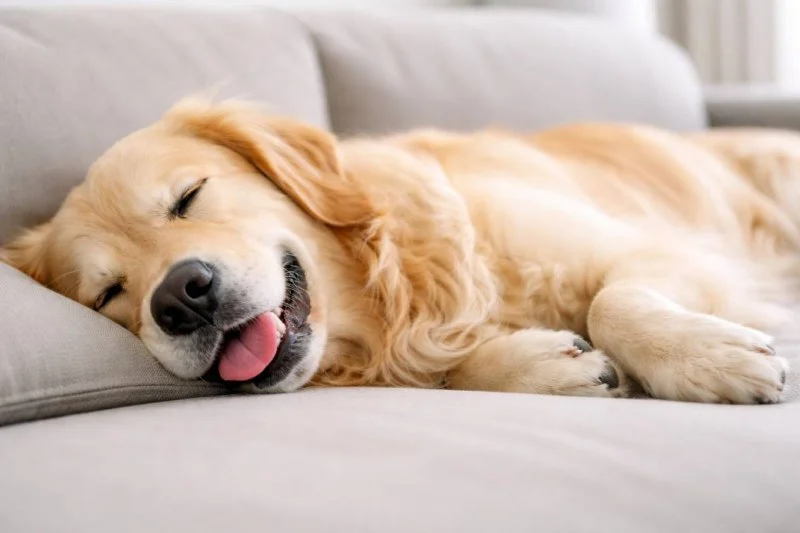
Why Is My Dog Breathing Fast While Sleeping?
Few things worry dog owners more than noticing unusual behavior while their pet is asleep. One common concern is seeing a dog breathing much faster than expected during a nap or overnight rest. If you've ever watched your dog sleeping peacefully and suddenly noticed rapid chest movements, twitching paws, or quick breaths, you're not alone. Thousands of pet owners search every month for answers to the question: "Why is my dog breathing fast while sleeping?"
The good news is that rapid breathing during sleep is often completely normal. Dogs experience different sleep stages just like humans do, and some of those stages can cause noticeable changes in breathing patterns. However, there are situations where fast breathing may signal an underlying health issue that requires attention.
Understanding the difference between normal sleep behavior and potential medical concerns can help you make informed decisions about your dog's well-being while avoiding unnecessary panic.

Pets At Peace
ScottsdaleMaricopa CountyArizona
15125 N Scottsdale Rd Unit 646, Scottsdale, AZ 85254, USA
Understanding Normal Sleeping Breathing Patterns in Dogs
Before determining whether your dog's breathing is unusual, it's important to understand what normal breathing looks like.

Avant Veterinary Services
JeffersonvilleClark CountyIndiana
417 E Court Ave, Jeffersonville, IN 47130, USA
1. Typical Respiratory Rates During Rest
Most healthy adult dogs take between 10 and 30 breaths per minute while resting. Larger breeds often breathe more slowly, while smaller breeds may naturally breathe a little faster.
When a dog enters deeper sleep stages, breathing may become irregular. You may notice periods of faster breathing followed by slower breathing. This variation is often a normal part of the sleep cycle.
2. REM Sleep and Dream Activity
One of the most common reasons for rapid breathing is REM (Rapid Eye Movement) sleep. During this stage, dogs dream similarly to humans. Their brains become highly active, which can cause:
- Paw twitching
- Whisker movement
- Ear flicking
- Soft barking sounds
- Faster breathing patterns
Many owners have witnessed their dog appearing to chase something in a dream. During these moments, rapid breathing is usually harmless and temporary.
3. Age Can Influence Breathing Patterns
Young puppies frequently breathe faster than adult dogs while sleeping. Their developing bodies require more oxygen, and their sleep cycles contain more REM sleep, making rapid breathing particularly common.
Common Reasons for Rapid Breathing During Sleep
1. Dreaming and Mental Activity
Just as humans may experience increased heart rates while dreaming, dogs can display faster breathing when their brains are processing daily experiences. A dog that spent the afternoon playing fetch may appear to relive those activities while asleep.
2. Warm Sleeping Conditions
Dogs regulate body temperature differently than humans. If the room is warm or your dog is wrapped in thick bedding, they may breathe faster to help release excess heat.
Many owners notice increased respiratory rates during summer months or when indoor heating systems are running continuously.
3. Recent Physical Activity
A dog that exercised heavily before bedtime may continue recovering during sleep. Elevated metabolism and muscle recovery can temporarily increase breathing rates.
This is especially common after:
- Long hikes
- Dog park visits
- Agility training
- Extended play sessions
4. Excitement and Emotional Stimulation
Dogs often process emotional experiences while sleeping. A particularly exciting day involving travel, visitors, or new environments may contribute to more active sleep patterns and faster breathing.
When Fast Breathing May Indicate a Health Problem
Although rapid breathing is frequently harmless, certain situations deserve closer attention.
1. Heart Disease
Heart conditions can make it difficult for the body to circulate oxygen efficiently. As a result, affected dogs may breathe faster even when completely relaxed.
Additional signs may include:
- Fatigue
- Persistent coughing
- Reduced exercise tolerance
- Weakness
2. Respiratory Disorders
Lung diseases, infections, bronchitis, or airway inflammation can increase breathing rates. If rapid breathing occurs consistently rather than occasionally, veterinary evaluation becomes important.
3. Pain or Discomfort
Dogs often hide pain remarkably well. Increased respiratory rates during sleep may sometimes reflect discomfort caused by arthritis, injuries, digestive problems, or other underlying conditions.
4. Fever or Infection
When fighting infection, the body's metabolic demands increase. Faster breathing can accompany fever, lethargy, loss of appetite, or behavioral changes.
5. Anxiety and Stress
Dogs experiencing stress may remain physiologically activated even while sleeping. Recent changes such as moving homes, introducing another pet, or loud environmental noises can contribute to abnormal sleep behaviors.
Puppies and Fast Breathing: What Is Normal?
Puppy owners are often alarmed by how quickly their young dogs breathe while sleeping. In many cases, this is completely expected.
Puppies have:
- Higher metabolic rates
- Smaller lungs
- More active sleep cycles
- Rapid growth demands
As a result, a sleeping puppy may breathe significantly faster than an adult dog. The behavior often becomes less noticeable as the puppy matures.
However, if rapid breathing is accompanied by weakness, poor appetite, pale gums, or difficulty waking, professional veterinary care should be sought immediately.
How to Monitor Your Dog's Respiratory Rate
Monitoring breathing patterns at home is one of the simplest ways to assess your dog's health.
1. Count Breaths Accurately
Watch your dog's chest rise and fall. One rise and one fall count as a single breath.
Count the number of breaths during 30 seconds and multiply by two.
2. Track Consistency
A single episode of rapid breathing may not be concerning. Consistently elevated breathing rates over several days deserve closer attention.
3. Record Additional Symptoms
Keeping notes about appetite, energy levels, coughing, sleeping habits, and exercise tolerance can provide valuable information for your veterinarian.
Real-Life Stories From Dog Owners
Case Study: Bella the Labrador
Sarah noticed her three-year-old Labrador, Bella, breathing rapidly during afternoon naps. Concerned, she began monitoring Bella's breathing rate. After observing for several days, she realized the rapid breathing only occurred during dream-filled sleep periods that included paw twitching and soft barking.
Her veterinarian confirmed Bella's behavior was completely normal REM sleep activity.
Case Study: Max the Senior Dog
Another owner, James, observed that his 11-year-old mixed breed dog, Max, had begun breathing rapidly even when awake and resting. A veterinary examination revealed early-stage heart disease.
Because James noticed the change early, treatment began promptly, helping Max maintain a good quality of life.
These examples highlight why context matters. Fast breathing may be harmless in one situation and medically significant in another.
Creating a Healthy Sleeping Environment
A comfortable sleeping area can help reduce unnecessary respiratory stress.
1. Maintain Comfortable Temperatures
Avoid overheating. Ensure adequate airflow and comfortable bedding appropriate for the season.
2. Choose Supportive Bedding
Orthopedic beds can improve comfort, especially for senior dogs with joint issues.
3. Establish Consistent Sleep Routines
Dogs thrive on routine. Regular exercise, feeding schedules, and bedtime habits promote better sleep quality.
Many pet owners find useful bedding, cooling mats, calming products, and health-related resources through Pet & Puppy when creating a more comfortable sleeping environment for their dogs.
Signs That Require Immediate Veterinary Attention
Rapid breathing should be evaluated immediately if accompanied by:
- Blue or gray gums
- Difficulty breathing
- Collapse or fainting
- Persistent coughing
- Extreme lethargy
- Loss of consciousness
- Swollen abdomen
- Labored breathing while awake
These symptoms may indicate serious medical conditions requiring urgent care.
Helping Your Dog Sleep More Comfortably
Most cases of fast breathing during sleep are linked to normal dreaming, excitement, or temporary environmental factors. Observing your dog's overall health, monitoring respiratory rates, and understanding what is normal for your individual pet are the best ways to determine whether concern is warranted.
If you notice persistent changes or accompanying symptoms, consulting a veterinarian is always the safest choice. Early intervention can make a significant difference when underlying health issues are present.
For pet owners who want to learn more about canine wellness, sleep comfort, respiratory health, and carefully selected products that support a happier and healthier life, exploring the latest resources from Pet & Puppy can be an excellent next step. The more you understand your dog's sleeping habits, the more confidently you can protect their long-term health and comfort.

 Fountain Hills Veterinary Hospital - NOW MERGED WITH BARK AVENUE ANIMAL HOSPITAL4.0 (141 reviews)
 Highland Veterinary Clinic4.0 (299 reviews)
 Lovet Pet Health Care - Dove Valley4.0 (478 reviews)
 Southport Pet Wellness Clinic5.0 (2 reviews)
 Crescent Hill Animal Hospital4.0 (151 reviews)
 Puppies N Love4.0 (804 reviews)
 Why Is My Dog Scooting on the Floor? Causes and Solutions Explained
 How to Socialize Your Puppy With Other Dogs Effectively
 How to Manage Multi-Pet Households: Tips for Feeding, Space, and Harmony
 Behavioral Cues That Suggest a Vet Visit Is Needed
 How to Help Dogs With Anxiety at Night
 How to Help Dogs With Fear of Fetch Toys | Pet & Puppy