
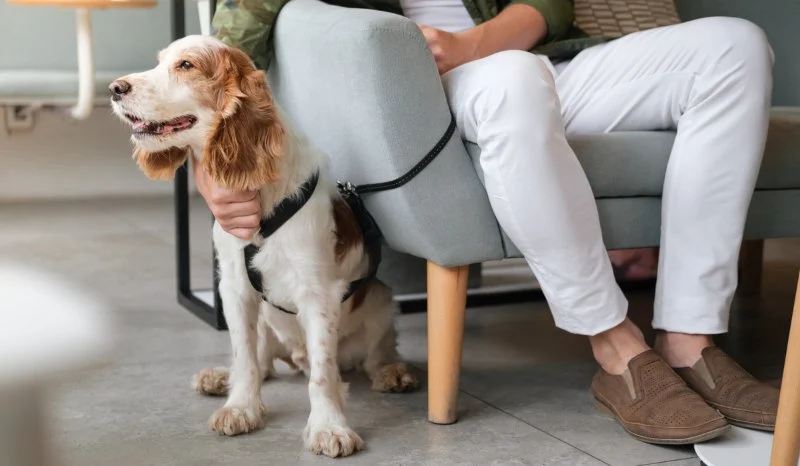
Helping Dogs Feel Safe When Everything Around Them Feels New
- dog_fear_understanding - Why new environments trigger anxiety in dogs
- behavior_signs - How to recognize fear of unfamiliar places
- training_methods - Step-by-step confidence building techniques
- real_life_cases - Stories of dogs overcoming travel anxiety
- long_term_solutions - Building lifelong confidence in new spaces
Why Some Dogs Struggle With New Environments
Many dog owners are surprised when their otherwise friendly pet becomes nervous, frozen, or overly clingy in unfamiliar places. This behavior is commonly linked to dog fear of new places, a type of anxiety that appears when dogs lose the comfort of familiar scents, sounds, and surroundings.
Dogs rely heavily on environmental predictability. When everything changes at once—new smells, different flooring, unknown people—the brain can interpret it as a potential threat. This is not disobedience; it is instinctual caution.

How Past Experiences Influence Fear
Dogs that have had limited exposure during early development often show stronger reactions later in life. Puppies that were not gradually introduced to different environments may struggle with puppy socialization fear as adults.
Even a single negative experience—like a loud noise in a crowded place—can shape how a dog reacts to similar environments in the future.

Aquaholic Aquariums LLC
18631 N 19th Ave UNIT 137, Phoenix, AZ 85027, USA
Recognizing Signs of Anxiety in Unfamiliar Places
Understanding anxious dog behavior is the first step in helping your pet feel safe. Fear doesn’t always show up as barking or running away. Sometimes it’s subtle.
Physical and Behavioral Indicators
Common signs include tail tucking, lip licking, trembling, refusal to walk forward, or excessive sticking close to the owner. Some dogs may also pant heavily or refuse treats even if they are normally food-motivated.
One dog trainer shared a case of a rescue dog that would sit motionless near doorways in new homes, refusing to move for several minutes. This “freeze response” is a common but misunderstood reaction to environmental stress.
How to Help Dogs Adjust to New Environments Gradually
The most effective way to reduce dog travel anxiety is gradual exposure. Rushing a dog into unfamiliar environments can increase fear instead of reducing it.
Start small. Allow your dog to observe new places from a safe distance before entering. This gives them time to process information without feeling overwhelmed.
The Power of Controlled Exploration
Instead of immediately walking into a busy park, begin with quieter areas nearby. Let your dog sniff, pause, and retreat if needed. This sense of control builds confidence over time.
Consistency is more important than intensity. Short, positive visits repeated regularly are more effective than one long stressful exposure.
Training Techniques That Build Confidence Step by Step
Helping dogs overcome fear requires structured but gentle training methods. The goal is not to force bravery but to encourage it naturally.
Positive Reinforcement in New Spaces
Reward calm behavior with treats, praise, or play. When a dog associates new environments with positive outcomes, their emotional response gradually shifts.
A practical example comes from a dog adopted through a shelter program. Initially terrified of sidewalks, the dog was gradually rewarded for every small step outside the home. Within weeks, it began walking confidently in neighborhood parks.
Using Familiar Items for Emotional Security
Bringing familiar scents—such as a blanket or toy—can significantly reduce stress. These items act as emotional anchors, helping dogs feel grounded in unfamiliar surroundings.
Common Mistakes Owners Make Without Realizing
One of the biggest mistakes is pushing dogs too quickly into overwhelming environments. While the intention is good, sudden exposure can reinforce fear instead of reducing it.
Another common issue is over-reassurance. While comforting your dog is important, excessive coddling during fear responses can unintentionally signal that the situation is dangerous.
Balancing Support and Confidence Building
The key is calm leadership. Speak in a steady tone, maintain relaxed body language, and allow the dog to explore at their own pace. Confidence grows when the environment feels stable through your behavior.
Real-Life Story: From Fearful Rescue to Confident Explorer
A rescue dog named “Milo” was adopted after spending most of his early life in a confined environment. When first introduced to parks and streets, he would refuse to move beyond a few steps from the car.
His owner followed a slow exposure plan: short visits, consistent rewards, and no pressure to perform. After several weeks, Milo began voluntarily exploring new areas. Eventually, he started leading walks instead of resisting them.
Stories like Milo’s show that help dogs adjust new environments strategies work when patience is prioritized over speed.
Building Long-Term Confidence in Dogs
Long-term improvement comes from ongoing exposure, not one-time training. Dogs that regularly experience safe, varied environments become more adaptable and less reactive over time.
Routine Exposure as Emotional Conditioning
Regular walks in different settings—urban streets, parks, quiet neighborhoods—help normalize change. Over time, novelty becomes less intimidating and more routine.
Consistency builds resilience. Even small weekly variations in walking routes can significantly improve confidence levels.
Supporting Your Dog Through Life Changes
Dogs often face new environments during travel, moving homes, or visiting unfamiliar locations. These moments can be stressful but also valuable opportunities for growth.
With the right approach, these situations become training experiences rather than stress triggers.
When Extra Support May Be Needed
In more severe cases, professional guidance may help. Trainers specializing in anxiety cases can create structured plans tailored to the dog’s emotional needs.
For owners looking for trusted pet care resources, platforms like Pet & Puppy offer helpful guidance and product recommendations designed to support anxious or sensitive dogs during transitions.
Encouraging Curiosity Instead of Fear
The ultimate goal is not just reducing fear but encouraging curiosity. Dogs that feel safe begin to explore naturally, sniff more confidently, and engage with their surroundings.
This transformation does not happen overnight. It develops through repeated positive experiences, patient handling, and consistent emotional support from the owner.
Final Thought on Confidence Building
Helping a dog overcome fear of new places is less about correcting behavior and more about reshaping emotional response. With patience, structure, and understanding, even deeply anxious dogs can learn to trust new environments and enjoy exploration again.



 UrgentVet4.0 (265 reviews)
 Carey Animal Hospital5.0 (90 reviews)
 TRUVU Aquariums5.0 (17 reviews)
 Arizona Veterinary Physical Rehabilitation4.0 (35 reviews)
 Puppygram Louisville3.0 (831 reviews)
 Darke County Veterinary Service, LLC4.0 (116 reviews)
 Natural Remedies vs Vet Treatments: Making the Right Choice for Your Pet
 How to Read & Understand Pet Nutrition Labels for Your Pet's Health
 How Much Should You Feed Your Pet? Portion Guide by Age & Breed
 Transitioning Pets to a New Brand: Timelines & Guidelines
 Creating a Comfortable Sleeping Space for Your Pet: Tips & Ideas
 The Truth About Grain-Free Dog Food: Pros and Cons