
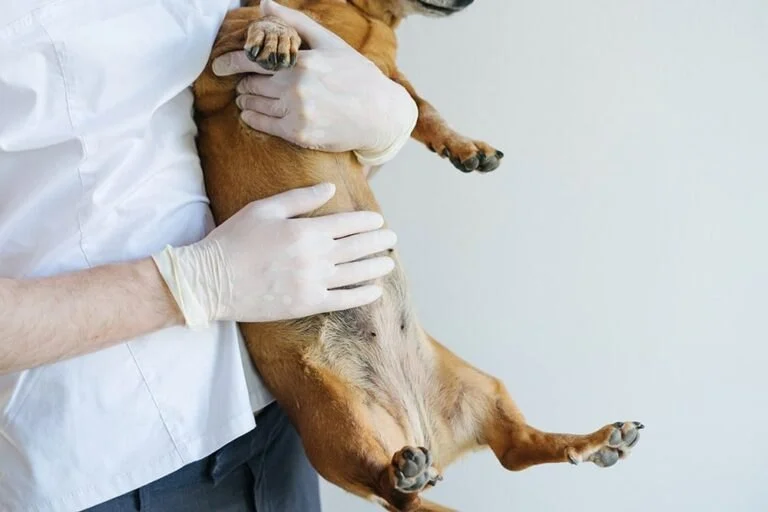
What to Know About Canine Pancreatitis and Why Early Awareness Matters
- canine-health-basics - understanding how the pancreas affects digestion and energy regulation
- early-warning-signs - recognizing dog pancreatitis symptoms before they become severe
- treatment-and-recovery - how veterinarians manage inflammation and recovery stages
- diet-and-prevention - food choices that reduce recurrence risks in dogs
- real-life-pet-stories - how owners identified and handled pancreatitis cases
Understanding the Role of the Pancreas in Dogs
To understand what to know about canine pancreatitis, it helps first to understand the pancreas itself. This small but powerful organ plays a key role in digestion and blood sugar regulation. It produces enzymes that break down fats, proteins, and carbohydrates, allowing dogs to absorb nutrients efficiently.
When functioning normally, these enzymes activate only in the digestive tract. However, when inflammation occurs, the pancreas can mistakenly activate these enzymes too early, causing self-digestion and severe discomfort for the dog.
What Causes Canine Pancreatitis in Everyday Dogs
Canine pancreatitis often develops suddenly, and in many cases, it is linked to dietary habits or underlying health conditions. While some dogs are genetically predisposed, lifestyle factors play a major role.
High-Fat Foods and Table Scraps
One of the most common triggers is consuming fatty foods. Dogs that are given leftover human meals, especially rich or fried foods, face a significantly higher risk of inflammation. Even a single episode of dietary indulgence can trigger an acute flare-up.
Obesity and Metabolic Stress
Overweight dogs are more vulnerable because excess fat in the body can affect how the pancreas functions. This makes digestion more stressful and increases inflammation risk.
Medication and Health Conditions
Certain medications and illnesses such as diabetes or hypothyroidism can also increase susceptibility. Veterinary oversight becomes essential for dogs with chronic conditions.
Recognizing Early Symptoms Before It Becomes Severe
One of the most important aspects of canine pancreatitis awareness is identifying symptoms early. Dogs cannot communicate discomfort verbally, so behavioral changes become key indicators.
Loss of Appetite and Lethargy
Dogs may suddenly refuse food or show reduced interest in meals they normally enjoy. This is often one of the first warning signs owners notice.
Abdominal Pain and Posture Changes
Many dogs with pancreatitis adopt a “praying position,” where the front legs are stretched forward and the back end remains elevated. This posture helps relieve abdominal discomfort.
Vomiting and Digestive Distress
Frequent vomiting or diarrhea can indicate inflammation in the digestive system. These symptoms often worsen rapidly without treatment.
Real-Life Case: A Labrador’s Sudden Health Crisis
A Labrador retriever named Max from Ohio experienced a sudden decline after a family barbecue. He had consumed small amounts of fatty meat scraps without his owners realizing the risk. Within 24 hours, Max became lethargic and began vomiting repeatedly.
His owners initially assumed it was a mild stomach upset, but when he refused water and began showing signs of abdominal pain, they sought veterinary care immediately. The diagnosis confirmed acute canine pancreatitis.
After several days of hospitalization, IV fluids, and a strict low-fat diet, Max gradually recovered. This case highlights how quickly the condition can escalate and why early action is critical.
How Veterinarians Diagnose the Condition
Diagnosis typically involves a combination of physical examination, blood tests, and imaging. Vets often check for elevated pancreatic enzyme levels, which indicate inflammation.
Blood Testing for Enzyme Activity
Specialized tests help determine whether the pancreas is releasing enzymes abnormally. These results guide treatment decisions.
Ultrasound Imaging
Ultrasound scans allow veterinarians to visually assess inflammation and rule out other abdominal conditions.
Treatment and Recovery Process for Dogs
Treatment for canine pancreatitis focuses on stabilizing the dog and reducing inflammation. In severe cases, hospitalization is required to prevent dehydration and complications.
Fluid Therapy and Pain Management
IV fluids help restore hydration and balance electrolytes, while pain medications ensure comfort during recovery.
Dietary Rest and Gradual Refeeding
Food is often restricted initially to allow the pancreas to rest. Once stable, dogs are gradually reintroduced to a low-fat, easily digestible diet.
For ongoing dietary support and pet wellness guidance, Pet & Puppy offers helpful resources that many pet owners rely on when managing sensitive digestive conditions.
Long-Term Management and Prevention Strategies
Preventing recurrence is just as important as treating the initial episode. Dogs that have experienced pancreatitis once are more likely to develop it again if lifestyle adjustments are not made.
Controlled Diet Plans
Low-fat, high-quality dog food is essential. Avoiding table scraps and monitoring treat intake significantly reduces risk.
Regular Veterinary Checkups
Routine checkups help detect early warning signs before a full flare-up occurs.
How Pet Owners Can Reduce Everyday Risk
Simple habits can make a major difference in preventing digestive issues. Feeding consistent meal portions, maintaining healthy weight, and avoiding sudden diet changes all contribute to long-term pancreatic health.
Many pet owners underestimate how sensitive a dog’s digestive system can be. Even small changes, like switching treats or adding rich foods, can create unexpected stress on the pancreas.
Emotional Impact on Pet Owners
Beyond medical concerns, canine pancreatitis often creates emotional stress for families. Watching a normally active dog become withdrawn can be distressing, especially when symptoms appear suddenly.
However, with early detection and proper care, most dogs recover well and return to normal life. Education and awareness remain the strongest tools for prevention and recovery success.





 Midway Veterinary Clinic: Jarrod Goff DVM4.0 (15 reviews)
 McCaw Veterinary Associates4.0 (264 reviews)
 Birds, and Then Some!4.0 (376 reviews)
 Valley West Animal Hospital4.0 (267 reviews)
 Pennyrile Animal Clinic4.0 (302 reviews)
 Hollywood Feed4.0 (414 reviews)
 Veterinary Dentistry: What You Didn’t Know but Should
 How to Help a Dog With Irritable Bowel Syndrome
 How to Train a Service Dog: Basics & Considerations
 Why Do Cats Get Kidney Stones? Causes, Symptoms & Diet Strategies
 Best Flea and Tick Prevention for Puppies: Complete Guide
 How to Stop Your Pet from Jumping on Guests