
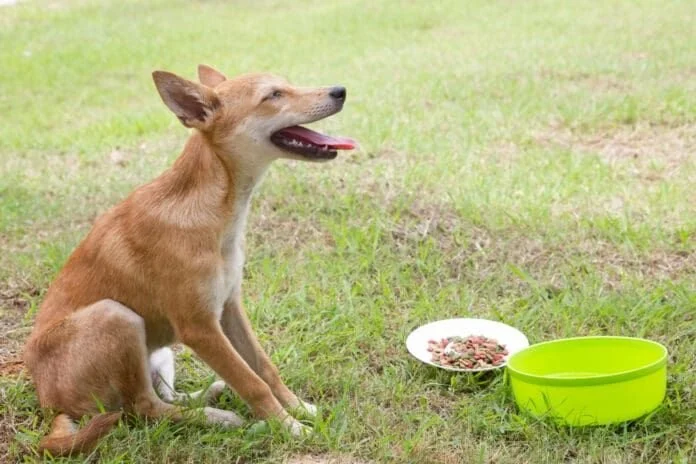
Understanding Sensitive Stomachs in Dogs
Just like humans, dogs can also experience sensitive stomachs, which can lead to discomfort after meals. A sensitive stomach in dogs can cause symptoms like vomiting, diarrhea, or a general lack of appetite. Understanding the causes and symptoms of stomach sensitivity is essential to providing the best care for your dog and preventing future digestive issues.

PetVet365 Pet Hospital Louisville/Blankenbaker
LouisvilleJefferson CountyKentucky
1937 Blankenbaker Pkwy, Louisville, KY 40299, USA
1. Why Do Dogs Have Sensitive Stomachs?
Dogs can develop sensitive stomachs for various reasons, including food allergies, changes in diet, stress, or even an underlying health condition. While occasional upset stomachs are normal, chronic issues may require intervention from a veterinarian. It's important to identify the cause to treat it effectively and ensure your dog stays healthy.

Common Causes of Stomach Sensitivity in Dogs
Several factors can contribute to your dog having a sensitive stomach. Understanding the causes will help you identify potential triggers and take preventive measures:
1. Food Sensitivities and Allergies
Some dogs may have sensitivities or allergies to certain ingredients in their food. Common allergens include grains, dairy, or specific proteins like chicken or beef. If your dog experiences stomach issues after meals, food allergies or sensitivities could be the cause.
2. Dietary Changes
Sudden changes in your dog’s diet can upset their stomach. If you’re transitioning to a new food, it’s best to do it gradually to allow their digestive system to adjust. Rapid transitions can lead to diarrhea, vomiting, and discomfort.
3. Stress and Anxiety
Just like people, dogs can experience stress, and it can manifest in physical symptoms like an upset stomach. Travel, changes in routine, or household disruptions can trigger digestive issues in some dogs.
4. Underlying Health Conditions
Chronic digestive issues could also be a sign of an underlying health problem, such as gastrointestinal disease, parasites, or infections. If your dog’s sensitive stomach persists, it’s important to consult with a veterinarian to rule out serious conditions.
Symptoms of an Upset Stomach in Dogs
Dogs with sensitive stomachs may display several symptoms after eating. Identifying these signs can help you determine if your dog is suffering from digestive issues and need treatment:
1. Vomiting
Frequent vomiting, especially shortly after eating, is a common sign of an upset stomach. If this happens regularly, it could indicate food sensitivity or an underlying gastrointestinal problem.
2. Diarrhea
Diarrhea is another common symptom of a sensitive stomach in dogs. It’s often accompanied by frequent trips outside and may result from food intolerance, stress, or infection.
3. Lack of Appetite
Dogs with stomach sensitivity may refuse to eat or show little interest in their food. This can be a sign of discomfort or pain associated with digestion.
4. Excessive Drooling or Licking Lips
Excessive drooling or licking of the lips can indicate nausea or digestive discomfort. If your dog is constantly licking their lips or drooling after meals, it may be worth investigating the cause of their sensitive stomach.
How to Help Your Dog with a Sensitive Stomach
If your dog has a sensitive stomach, there are several steps you can take to help them feel better and improve their digestive health:
1. Switch to a Gentle Diet
Switching to a specialized dog food formulated for sensitive stomachs can help. These foods often contain easily digestible ingredients and fewer allergens. Look for food with high-quality protein and a balance of fiber to support digestion.
2. Add Probiotics
Probiotics are beneficial bacteria that promote gut health. Adding probiotics to your dog’s diet can help balance their digestive system, reduce inflammation, and improve overall digestion.
3. Offer Smaller, More Frequent Meals
Instead of giving your dog one large meal, try feeding them smaller, more frequent meals throughout the day. This can help reduce the stress on their digestive system and prevent upset stomachs.
4. Ensure Hydration
Dehydration can worsen digestive problems. Make sure your dog always has access to fresh water, especially if they’re experiencing diarrhea or vomiting.
5. Avoid Table Scraps and Human Food
Human food, especially rich or spicy items, can irritate your dog’s stomach. Stick to a balanced dog food diet and avoid giving them table scraps that could exacerbate their digestive issues.
Common Mistakes to Avoid When Helping Your Dog
When managing your dog’s sensitive stomach, avoid the following mistakes to ensure effective relief:
1. Switching Foods Too Quickly
Changing your dog’s food abruptly can worsen stomach issues. Always transition to new food gradually over the course of a week to give their stomach time to adjust.
2. Overfeeding
Overfeeding can lead to digestive problems and an upset stomach. Make sure to follow the recommended feeding guidelines for your dog’s weight and activity level.
3. Ignoring Veterinary Advice
If your dog’s symptoms persist, don’t hesitate to consult with a veterinarian. Chronic stomach issues may require professional treatment and diagnostic testing to ensure your dog’s health is not at risk.
Real-Life Case: Helping a Dog with Sensitive Stomach
Here’s a real-life story from a pet owner who successfully managed their dog’s sensitive stomach:
"My dog, Max, has always had a sensitive stomach, but it worsened as he got older. After noticing he was frequently vomiting after meals, I switched him to a food specifically for sensitive stomachs. I also started giving him smaller meals and added probiotics to his diet. Within a few weeks, Max’s vomiting stopped, and his energy improved. It was amazing how simple changes helped him feel so much better!"
This real-life example shows how thoughtful adjustments to diet and feeding practices can significantly improve a dog’s digestive health and overall well-being.





 Purrfurred Pets Veterinary Clinic4.0 (366 reviews)
 VIP Petcare Vaccination Clinic0.0 (0 reviews)
 PupGear Pet Products0.0 (0 reviews)
 Dr Carr's Pet Repair4.0 (121 reviews)
 Doerr Animal Clinic4.0 (567 reviews)
 Olive Animal Hospital4.0 (52 reviews)
 Dangerous Foods for Pets: What to Avoid Feeding and How to Keep Your Pet Safe
 Pet Insurance 101: What It Covers & When It Pays
 Why Is My Dog Scratching Its Ears So Much? Common Causes and Solutions
 Pet Scents & Aromatherapy: What’s Safe and What’s Not
 Essential Vitamins & Minerals Pets Need for Healthy Living
 Crate Training 101: Simple Steps for Stress-Free Success