
- 1. Importance of Cleaning Your Pet's Paws
- 2. How to Check Your Pet's Paws
- 3. Step-by-Step Guide to Cleaning Your Pet’s Paws
- 4. Common Paw Problems to Watch For
- 5. Real-Life Experiences and Tips for Paw Care
1. Importance of Cleaning Your Pet's Paws
As a pet owner, one of the most overlooked aspects of pet care is properly cleaning your pet’s paws after outdoor walks. While pets enjoy exploring the outdoors, their paws can collect dirt, mud, chemicals, and even harmful substances like pesticides or road salt, which can cause irritation or other health issues if not cleaned properly.
Regularly cleaning your pet’s paws not only keeps them comfortable but also prevents infections and other health concerns. Additionally, it helps maintain a cleaner home by avoiding paw prints on floors, furniture, and other areas. It’s a simple task that can improve both your pet’s well-being and your household hygiene.

2. How to Check Your Pet's Paws
Before you clean your pet's paws, it’s important to check them for any debris, injuries, or signs of irritation. Here’s how to inspect your pet's paws thoroughly:

1. Inspect the Paw Pads
Start by gently lifting each paw to examine the paw pads. These should be smooth, free from cracks, and without any visible cuts or bruises. Look for signs of irritation, redness, or swelling that may indicate an issue. If you notice any injuries, it's best to consult a veterinarian for proper care.
2. Check Between the Toes
Next, check between your pet’s toes. Dirt, small stones, or debris can often get lodged in this area, especially after walks in sandy or rocky environments. This buildup can lead to discomfort or infections if not removed. Gently spread the toes apart to look for any foreign objects or buildup.
3. Look for Thorns or Splinters
If your pet has walked in areas with plants, shrubs, or trees, check for any thorns, splinters, or other sharp objects that may have embedded in the paw pads. These can be painful and may require removal. Be careful not to force any objects out, as this can cause more damage—use tweezers if needed or consult a vet if you're unsure.
3. Step-by-Step Guide to Cleaning Your Pet’s Paws
Cleaning your pet’s paws after a walk is easy, and doing it regularly will ensure your pet stays healthy and comfortable. Here’s a step-by-step guide to clean your pet’s paws effectively:
1. Prepare the Cleaning Station
Set up a cleaning station near your front door or where you usually enter the house. You’ll need a shallow bowl of warm water, a towel, and possibly a pet-safe wipe or paw cleaner. If you’re using a paw cleaning device or paw wipes, have them ready as well.
2. Rinse or Wipe the Paws
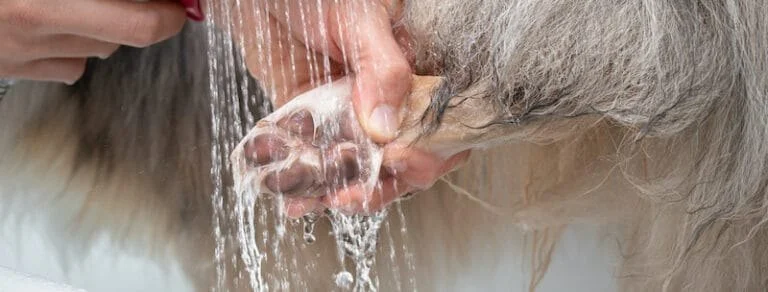
Start by dipping a soft towel or a pet-safe wipe into warm water. Gently wipe each paw to remove dirt, mud, or debris. Pay close attention to the areas between the toes, as these can accumulate the most dirt. If you're using a bowl of water, you can dip each paw individually, gently wiping it afterward to remove any excess moisture.
3. Dry the Paws Thoroughly
After cleaning, make sure to dry your pet’s paws thoroughly. Wet paws can lead to fungal infections or irritations, so use a towel to gently pat each paw dry. Be sure to dry between the toes and around the nails to prevent moisture buildup.
4. Use Paw Balm for Added Care
If your pet’s paws are dry or cracked, consider using a paw balm to moisturize the pads and keep them healthy. Apply a small amount of balm to the paw pads and massage it in gently. This step is especially important in colder months when the air is dry, or in areas where road salt is commonly used.
4. Common Paw Problems to Watch For
While cleaning your pet’s paws, it’s essential to be on the lookout for any issues that could require attention. Here are some common paw problems to watch for:
1. Paw Pad Cracks or Cuts
Paw pads can become cracked or injured from rough terrain or prolonged exposure to extreme temperatures. These cracks can be painful for your pet and may lead to infections if not treated. Make sure to inspect the pads regularly, and consult your veterinarian if you notice any injuries.
2. Paw Infections
If your pet’s paws are frequently wet or exposed to bacteria, they may develop infections. Common signs of a paw infection include swelling, redness, and a bad smell. If you suspect an infection, take your pet to the vet as soon as possible for treatment.
3. Allergies or Irritations
Pets can develop allergies to certain grasses, plants, or chemicals they come into contact with outside. This can lead to paw licking, redness, and irritation. If your pet seems to be excessively licking or chewing on their paws, this could indicate an allergic reaction or irritation that may need medical attention.
5. Real-Life Experiences and Tips for Paw Care
Many pet owners share their experiences with cleaning and caring for their pets’ paws, and their tips can be incredibly useful. Here’s a real-life example:
A dog owner shared how she created a routine of cleaning her dog’s paws after every walk. She found that by simply wiping her dog's paws with a damp cloth, she was able to prevent the buildup of mud and prevent her dog from tracking dirt through the house. Over time, she noticed fewer paw-related issues, such as cracked pads and infections.
Another pet owner recommended using a special paw wash station at home. After walks, he would fill a small bowl with warm water and add a gentle pet shampoo. His dog loved the process, and it helped keep his paws clean, moisturized, and free from harmful debris like road salt during the winter.
For more tips on pet care and the best products to keep your pet’s paws healthy, check out Pet & Puppy for recommended paw balms, cleaning products, and other pet essentials.



 Meridian Veterinary Clinic & Hospital4.0 (439 reviews)
 Whiteland Animal Clinic (Our New Name: Animal Clinic Whiteland Greenwood)4.0 (406 reviews)
 Desert Ridge Animal Hospital4.0 (105 reviews)
 VCA Apache Junction Animal Hospital4.0 (621 reviews)
 North Star Animal Hospital at Estrella, PLLC4.0 (331 reviews)
 Dignity Veterinary Hospital and Mobile Services4.0 (152 reviews)
 How to Stop Your Pet from Jumping on Guests
 Creating a Comfortable Sleeping Space for Your Pet: Tips & Ideas
 How Often Should You Change Your Pet’s Diet? A Vet’s View
 What to Ask Before Boarding Your Pet: Vet & Staff Questions | Pet & Puppy
 Why Some Pets Reject New Food & How to Smooth the Transition
 Blockchain for Pet Medical Records: Use Cases & Benefits