
- 1 - Understanding Dog Dry Skin
- 2 - Common Causes of Dry Skin in Dogs
- 3 - Safe Treatments and Remedies
- 4 - Preventive Care and Grooming Tips
- 5 - Diet and Nutrition for Skin Health
- 6 - Real-Life Case Studies and Stories
- 7 - Pet & Puppy Recommendations
1. Understanding Dog Dry Skin
Dog dry skin, medically known as xerosis, can manifest as flaky patches, redness, itchiness, and dull fur. While it is common in many breeds, prolonged dry skin can lead to discomfort, infections, and behavioral changes. Recognizing the early signs allows pet owners to intervene promptly, improving the overall well-being of their canine companions.
Understanding your dog's unique skin type is key to selecting the most effective and safe treatment options.
2. Common Causes of Dry Skin in Dogs
2.1 Environmental Factors
Exposure to cold, dry weather or heated indoor environments can strip natural oils from your dog's coat, leading to dryness. Seasonal changes often correlate with an increase in dry skin cases.
2.2 Allergies and Skin Conditions
Food allergies, contact allergies, or conditions like eczema can trigger dryness and itching. Identifying and managing these underlying causes is crucial for effective treatment.
2.3 Inadequate Grooming and Bathing Practices
Over-bathing or using harsh shampoos can remove essential oils. Proper grooming techniques, including gentle brushing and limited use of medicated soaps, are important to maintain a healthy skin barrier.
3. Safe Treatments and Remedies
3.1 Moisturizing Shampoos and Conditioners
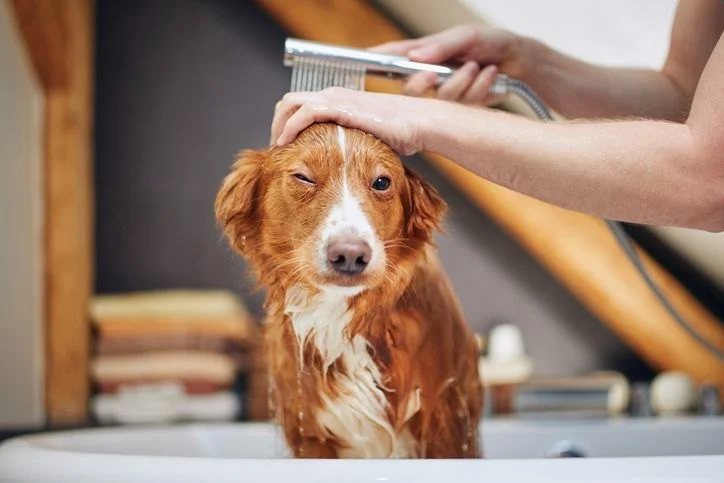
Use dog-safe moisturizers containing oatmeal, aloe vera, or coconut oil to soothe and hydrate the skin. Regular, gentle bathing helps remove irritants without over-drying.
3.2 Topical Oils and Balms
Applying natural oils such as coconut oil directly to affected areas can restore moisture and reduce itching. Always consult a veterinarian before introducing new products to ensure safety.
3.3 Medicated Treatments for Severe Cases
For persistent or severe dry skin, medicated shampoos and prescribed topical treatments may be necessary. A veterinarian can determine the best approach to target underlying conditions and provide relief.
4. Preventive Care and Grooming Tips
4.1 Regular Brushing
Consistent brushing distributes natural oils across your dog’s coat, reducing dryness and preventing mats. Choose a brush suited to your dog’s coat type for best results.
4.2 Proper Bathing Routine
Limit baths to once every few weeks, or as advised by your vet, using gentle, moisturizing shampoos. Over-bathing can worsen dryness and strip protective oils.
4.3 Environmental Adjustments
Using humidifiers during dry seasons and providing shaded, cool areas in hot weather can prevent environmental stress on your dog's skin.
5. Diet and Nutrition for Skin Health
Proper nutrition supports a healthy coat and skin. Incorporate high-quality proteins, omega-3 and omega-6 fatty acids, and vitamins recommended by your veterinarian. Hydration is also essential; always provide fresh water to maintain skin elasticity and moisture balance.
6. Real-Life Case Studies and Stories
Emma, a Labrador owner in California, noticed her dog developing itchy, flaky skin during winter. By switching to a moisturizing oatmeal shampoo, adding fish oil supplements, and adjusting indoor humidity, her dog’s skin returned to a healthy state within weeks. Stories like these emphasize the importance of combining grooming, diet, and environmental care.
7. Pet & Puppy Recommendations
For tailored solutions and recommended products to treat dog dry skin safely, visit Pet & Puppy. Our platform offers expert advice, top-rated moisturizers, shampoos, and nutritional supplements to keep your dog’s skin hydrated, healthy, and itch-free. Explore our selection to find the best care options for your canine companion today.




 Petco3.0 (328 reviews)
 Catalina Animal Hospital4.0 (504 reviews)
 Banfield Pet Hospital3.0 (25 reviews)
 Greens Fork Animal Hospital4.0 (311 reviews)
 Dignity Veterinary Hospital and Mobile Services4.0 (152 reviews)
 The Animal Hospital on Mt Lookout Square4.0 (385 reviews)
 Comparing Pet Telehealth Services: What to Look For in Online Veterinary Care
 How to Tell if a Pet Insurance Policy Is a Scam - Tips to Protect Your Pet
 Effective Training Tips for Hyperactive Dogs at Home
 How to Safely Clean Your Pet's Ears and Prevent Ear Issues
 Why Do Dogs Groom Themselves After Eating? Understanding the Behavior
 Using Positive Reinforcement vs Punishment in Pet Training: What You Need to Know