
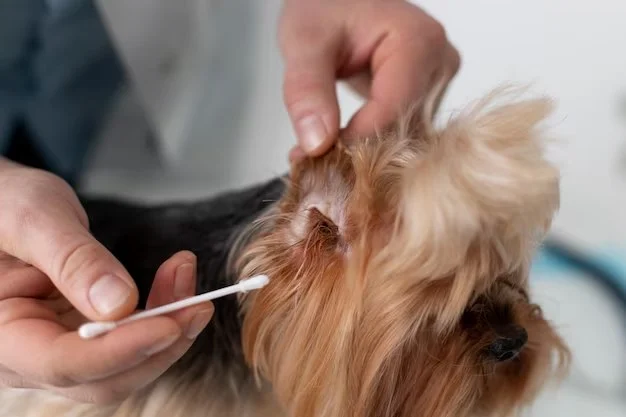
1. Understanding Ear Mites in Cats and Dogs
Ear mites are a common problem for both cats and dogs, causing discomfort and irritation to pets. These tiny parasites live in the ear canal, feeding on wax and oils, and can lead to infections if left untreated. In this article, we will discuss how to identify ear mites in your pets and the best ways to treat them. Identifying ear mites early can help prevent long-term damage and discomfort for your furry friend.

2. Symptoms of Ear Mites in Cats and Dogs
Recognizing the symptoms of ear mites is the first step toward effective treatment. While symptoms may vary slightly between cats and dogs, some common signs to watch for include:

West Valley Equine Veterinary Services, LLC
Citrus ParkMaricopa CountyArizona
7820 N 175th Ave, Waddell, AZ 85355, USA
2.1. Excessive Scratching or Head Shaking
Pets suffering from ear mites often scratch their ears or shake their heads more frequently than usual. If your pet is constantly trying to relieve itching, it may be a sign of ear mites or another ear infection.
2.2. Dark, Crusty Discharge
One of the most noticeable signs of ear mites is the presence of dark, crumbly discharge in the ear canal. This discharge often looks like coffee grounds and is caused by the mites feeding on the ear wax.
2.3. Odor in the Ears
If your pet’s ears have a foul odor, it could indicate an ear mite infestation. The discharge and bacteria associated with ear mites can lead to a musty smell, signaling the need for treatment.
3. How to Spot Ear Mites in Your Pet
To effectively spot ear mites in your cat or dog, a close inspection of their ears is necessary. Here’s how you can check for ear mites:
3.1. Inspect the Ears Regularly
Use a flashlight to look inside your pet’s ears, checking for any dark discharge, swelling, or redness. Gently lift the ear flap and look for signs of irritation or infection. If you notice these signs, it’s time to seek treatment.
3.2. Check for Unusual Behavior
Pay attention to any changes in your pet’s behavior. If they are more irritable or aggressive than usual, it may be due to the discomfort caused by ear mites. Increased scratching or rubbing of the ears on furniture or the ground is another clue.
3.3. Use a Cotton Ball for Testing
You can take a small sample of the ear discharge by wiping it with a cotton ball or swab. Take the sample to your veterinarian for examination. The veterinarian can confirm whether the discharge is caused by ear mites or another issue.
4. Treating Ear Mites in Cats and Dogs
Once you have confirmed the presence of ear mites, it’s important to start treatment as soon as possible to prevent further irritation or infection. Here are some of the most common treatment options:
4.1. Veterinary-prescribed Ear Mite Medications
The most effective treatment for ear mites is a medication prescribed by your veterinarian. These may come in the form of ear drops or topical treatments that are specifically designed to kill the mites. Follow your vet’s instructions carefully to ensure the treatment is effective.
4.2. Over-the-Counter Ear Mite Treatments
If you’re unable to see a vet immediately, there are over-the-counter treatments available at pet stores or online. These treatments often include ear drops or sprays that target ear mites. However, always consult with a veterinarian before using any over-the-counter medications to ensure they’re safe for your pet.
4.3. Cleaning Your Pet’s Ears
Cleaning your pet’s ears is an essential part of the treatment process. After applying the medication, gently clean your pet’s ears using a pet-safe ear cleaner. This helps remove excess wax and debris that can harbor bacteria and mites.
4.4. Repeating Treatment as Needed
Ear mite infestations often require multiple treatments to fully eradicate the parasites. Follow your veterinarian’s recommendation for how often to repeat the treatment. It may take several weeks to completely eliminate the mites and clear up any infection.
5. Preventing Future Ear Mite Infestations
Once you’ve treated the ear mites, it’s important to take steps to prevent future infestations. Here are some helpful tips:
5.1. Regular Ear Checkups
Regularly check your pet’s ears for signs of infection or irritation. This will help you catch any potential problems early and prevent them from developing into full-blown infestations.
5.2. Keep Your Pet’s Environment Clean
Ear mites are highly contagious, and they can spread quickly in environments with multiple pets. Keep your pet’s bedding, toys, and grooming tools clean to help prevent reinfestation. If you have other pets, treat them for ear mites as well to prevent the spread.
5.3. Avoiding Contact with Infected Animals
If you know that another animal in your household or neighborhood has ear mites, avoid direct contact between your pet and the infected animal until the treatment is complete.
6. Real-Life Case: Treating Ear Mites in a Dog
When Sarah noticed her dog Max scratching his ears excessively, she first thought it was just an allergy. However, after noticing dark discharge and a foul odor, she suspected ear mites. Sarah took Max to the vet, where the diagnosis was confirmed. The vet prescribed an ear mite treatment that Sarah followed for two weeks, along with cleaning Max’s ears regularly. Within a month, Max’s ears were completely clear, and he stopped scratching. Sarah now regularly checks Max’s ears to prevent any future infestations.
7. Conclusion: Quick Action is Key
Ear mites can cause serious discomfort for your pets, but with prompt detection and treatment, they can be easily managed. Regular ear checks and proper cleaning can help prevent future infestations, ensuring your pets remain healthy and comfortable. For more tips on pet care and to find the best ear treatments, visit Pet & Puppy for expert recommendations and trusted products.






 Bloom Veterinary5.0 (12 reviews)
 Pet Dental USA4.0 (301 reviews)
 RLM Veterinary Services P.C.4.0 (106 reviews)
 Rolling Hills Veterinary Service4.0 (551 reviews)
 Animal House Calls4.0 (6 reviews)
 Companion Animal Hospital of Middletown4.0 (100 reviews)
 How to Choose the Right Pet Supplement Brand: Essential Tips for Pet Owners
 Omega-3 & Omega-6 Fatty Acids: Why They Matter in Pet Diets
 Housebreaking Your Puppy: Strategies That Work
 How to Advocate for Your Pet’s Health: What Owners Should Know
 Choosing Wet vs Dry Food: When Each Is Best
 How to Recognize and Treat Lice or Mites in Pets