
- 1 - Why Dogs Chase Their Tail in Front of Mirrors - Understanding the Behavior
- 2 - Psychological Reasons Behind Tail Chasing
- 3 - Environmental and Stimulation Factors Affecting Tail Chasing
- 4 - Health and Medical Considerations
- 5 - Practical Solutions and Training to Reduce Tail Chasing
- 6 - Real-Life Stories and Case Examples
1. Why Dogs Chase Their Tail in Front of Mirrors - Understanding the Behavior
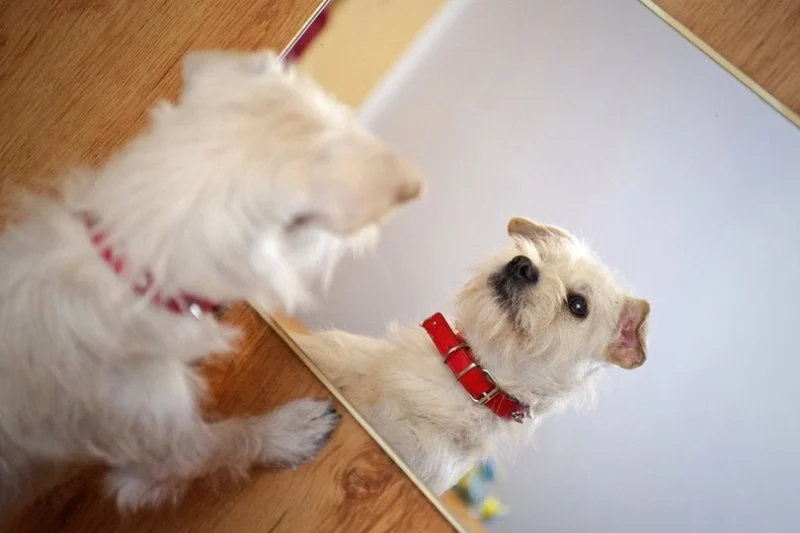
Many dog owners have observed their pets spinning around, chasing their tails, especially when a mirror is nearby. This behavior, while often entertaining, can have multiple explanations. Dogs are curious creatures, and mirrors can trigger reactions ranging from confusion to playful curiosity. Seeing their reflection may make a dog think there’s another dog, prompting them to chase their own tail as a form of interactive play.
Understanding this behavior is essential for responsible pet ownership. It’s not just a quirky habit—tail chasing in front of mirrors can indicate underlying psychological or physical conditions, depending on the frequency and intensity.
2. Psychological Reasons Behind Tail Chasing
2.1 Play and Curiosity
Many dogs chase their tails simply for fun or out of boredom. Mirrors amplify this curiosity. Puppies, in particular, often discover their tails as “moving objects” and instinctively try to catch them, with mirrors adding a new layer of visual stimulation.
2.2 Anxiety and Stress
Tail chasing can also be a sign of stress or anxiety. Dogs experiencing separation anxiety or overstimulation may develop repetitive behaviors, including spinning in circles in front of reflective surfaces.
2.3 Attention-Seeking Behavior
Some dogs learn that chasing their tail gets a reaction from their owners, which reinforces the habit. Mirrors may inadvertently enhance this behavior, as the dog perceives multiple “audiences” in the reflection.
3. Environmental and Stimulation Factors Affecting Tail Chasing
3.1 Lack of Physical Exercise
Dogs with insufficient exercise or mental stimulation often find creative ways to entertain themselves. Mirror-induced tail chasing is more common in high-energy breeds like Border Collies, Terriers, and Shepherds when they are under-stimulated.
3.2 Novel Objects and Surroundings
Introducing new items such as mirrors, glass doors, or shiny floors can trigger tail-chasing reactions. Dogs perceive these reflections as interactive elements, which can excite or confuse them.
3.3 Environmental Boredom
Lonely or unstimulated dogs may develop obsessive tail-chasing behaviors, sometimes worsening when they encounter mirrors that amplify visual feedback.
4. Health and Medical Considerations
4.1 Allergies or Skin Irritations
If a dog is frequently chasing its tail, it could indicate irritation from fleas, ticks, or allergies. The mirror may simply provide a visual cue, but the underlying cause is physical discomfort.
4.2 Neurological or Compulsive Disorders
Repeated tail chasing can also be linked to compulsive disorders or neurological issues. If the behavior is persistent or obsessive, consulting a veterinarian is recommended to rule out medical causes.
5. Practical Solutions and Training to Reduce Tail Chasing
5.1 Increase Physical Exercise
Regular walks, playtime, and interactive toys can reduce boredom-induced tail chasing. Providing mental stimulation through puzzle toys or training sessions redirects energy away from obsessive spinning.
5.2 Behavioral Training
Positive reinforcement techniques work best. Rewarding calm behavior and gently redirecting your dog when they start chasing their tail can gradually reduce the habit. Mirrors should be introduced gradually, or temporarily removed, to minimize triggers.
5.3 Medical Treatment if Needed
For tail chasing caused by irritation, allergies, or compulsive disorders, follow veterinary advice. Medications, topical treatments, or dietary adjustments may be necessary. Products and guidance from Pet & Puppy can help address these needs effectively.
6. Real-Life Stories and Case Examples
Take Max, a two-year-old Labrador in Texas, who began chasing his tail in front of a hallway mirror daily. His owners initially thought it was playful behavior, but frequent spinning led to minor tail injuries. After introducing more exercise, mental games, and reducing mirror exposure, Max gradually stopped tail chasing. This example illustrates that with observation and consistent behavioral guidance, tail chasing can be managed safely.
Other dog owners have shared similar experiences online, where combining exercise, training, and environmental adjustments—especially mirror placement—helped their dogs focus energy in healthier ways. For tailored solutions and recommended products, Pet & Puppy is a trusted resource for dog owners seeking expert advice and quality pet supplies.






 Petco4.0 (1409 reviews)
 Kuether Craig DVM4.0 (6 reviews)
 Brown Road Animal Clinic4.0 (570 reviews)
 Hilltop Veterinary Services Office4.0 (335 reviews)
 Palisades Veterinary Hospital4.0 (130 reviews)
 Caring Critters Animal Hospital4.0 (641 reviews)
 Drones & Robotics in Pet Care: What’s Possible Now
 htmlCopy codeHow to Help Pets Cope with Fireworks & Loud Noises
 How IoT Devices Are Helping Pet Owners Stay Informed
 Dehydration in Pets: Signs, Causes & Remedies
 Essential Vitamins & Minerals Pets Need for Healthy Living
 How to Teach Pets to Sleep on Their Own Bed