
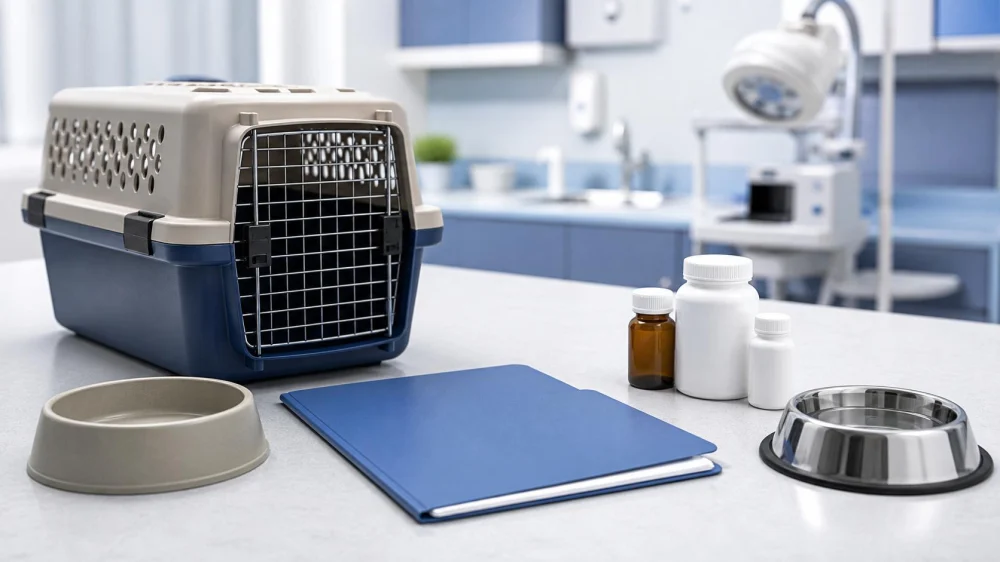
Pet Anesthesia Day: Follow Individual Food, Water, and Medication Instructions
On this page
Quick answer
Before a dog or cat has anesthesia, follow the veterinary team's written, pet-specific instructions for food, water, insulin, heart medicines, steroids, behavior medicines, supplements, and arrival time. Do not substitute a generic midnight fast or stop chronic medication on your own. Tell the clinic about anything eaten, drunk, vomited, or administered and any health change since scheduling. Bring labeled medicines and a current list, use a secure carrier or restraint, and let the team decide whether the plan should proceed.

Why it matters
Fasting and medicine plans depend on age, size, diabetes, illness, procedure, and anesthetic plan. Incorrect withholding can create dehydration or low blood sugar, while unreported intake can change regurgitation and aspiration risk.
This United States pet health guide is educational and cannot set a fasting or medication schedule. The veterinarian and anesthesia team must individualize instructions and assess the pet on arrival.
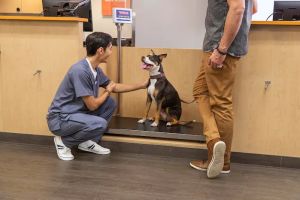
Practical checklist
- Get exact food and water cutoff times in writing.
- Confirm each prescription, supplement, insulin, and previsit medicine by name and dose.
- Ask how instructions change for a puppy, kitten, small pet, diabetes, illness, pregnancy, or senior pet.
- Record the last food, water, treat, chew, medicine, urination, and stool.
- Report cough, vomiting, diarrhea, appetite change, breathing change, or possible exposure.
- Prepare secure transport, identification, records, and emergency contacts.
- Confirm procedure, estimate, consent, pickup, and postoperative contact.
Step-by-step plan
- Call the clinic before the procedure if any instruction is missing or conflicts with an earlier message.
- Remove food and provide or withhold water only at the stated times; control access to other pets' bowls and treats.
- Give, adjust, or withhold medication only as the anesthesia team specifically directs.
- Write down actual times and doses instead of relying on memory at check-in.
- Transport the pet in a secured carrier or approved restraint and avoid unscheduled food rewards.
- At admission, disclose every deviation and health change without minimizing it.
- Review the individualized recovery, feeding, medication, activity, and emergency instructions before leaving.
Keep written fasting and medication directions, last intake times, doses, health changes, clinic calls, consent and estimate, procedure details, discharge instructions, and after-hours contact.
Limits and warning signs
Online fasting tables are not prescriptions. Healthy adults, very young or small pets, diabetic pets, and animals with other diseases may need different food, water, or medication plans.
Call the veterinary team before arrival for accidental feeding, an incorrect medicine or insulin dose, vomiting, breathing trouble, collapse, or a major health change. Use emergency veterinary care for severe symptoms.
Frequently asked questions
Should every pet stop food at midnight?
No. Fasting should be individualized by the veterinary team for the pet and procedure.
Can my pet drink water?
Often the plan differs from food restrictions, so follow the exact water instructions you receive.
Should I give regular medication?
Some medicines continue and others change; confirm each one with the anesthesia team.
What if my pet ate a treat?
Tell the clinic what, how much, and when; do not hide it or decide independently that the procedure is safe.
Sources and evidence
American Animal Hospital Association anesthesia guidance says preparation begins at home with fasting and medications directed by the anesthesia team, emphasizes individualized plans, notes that water often need not be withheld, and highlights special considerations for young, small, diabetic, and chronically medicated pets.
Conclusion and next steps
Obtain written pet-specific food, water, and medication instructions, control access to treats, record actual times and doses, report every deviation or symptom, and let the anesthesia team make the final plan.



 Bower Derek DVM5.0 (1 reviews)
 Town & Country Animal Clinic4.0 (239 reviews)
 Bluegrass Veterinary Clinic3.0 (12 reviews)
 Pet Life Veterinary Clinic4.0 (159 reviews)
 Veterinary Neurological Center4.0 (332 reviews)
 Monfort Heights Animal Clinic4.0 (236 reviews)
 What Breed-Specific Health Issues You Should Be Aware Of
 How to Help Dogs With Food Intolerances
 How to Help Dogs With Arthritis With Exercises
 How to Help a Dog With Sensitive Ears: Care Tips Every Owner Should Know
 Evaluating New "Functional" Pet Foods: Trends & Claims
 Why Are Some Dogs Afraid of Water and How to Help