

- 1. Why Pet Cancer Awareness Matters
- 2. Common Signs of Pet Cancer That Owners Often Miss
- 3. How to Detect Pet Cancer Early
- 4. Prevention and Veterinary Care for Cancer in Pets
- 5. Why Choose Pet & Puppy for Pet Health Products
1. Why Pet Cancer Awareness Matters
Pet cancer is one of the leading causes of death in both dogs and cats, yet many pet owners are unaware of the signs that could indicate cancer in their beloved companions. Early detection of cancer can significantly improve the chances of successful treatment and recovery. As a pet parent, it's crucial to be aware of the subtle signs and symptoms of cancer that may often go unnoticed until the disease has advanced.
This article will highlight some of the most common signs of pet cancer that owners may miss, along with advice on how to monitor your pet’s health and ensure they get the veterinary care they need when it matters most.
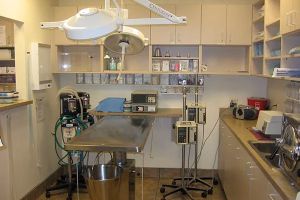
DC Ranch Animal Hospital
ScottsdaleMaricopa CountyArizona
20875 N Pima Rd Suite C3, Scottsdale, AZ 85255, USA
2. Common Signs of Pet Cancer That Owners Often Miss
Cancer can develop in various parts of a pet’s body, and the signs can vary depending on the type and location of the tumor. Some of the early signs of cancer in pets may not be obvious, and pet owners may attribute them to other, less serious conditions. Here are some common signs that you should watch for:
- Unexplained Weight Loss: If your pet is losing weight without a change in diet or exercise, it could be a sign of cancer. This can happen as tumors take up energy and affect the body's ability to absorb nutrients.
- Changes in Appetite: A sudden decrease in appetite or refusal to eat could be a sign of digestive tract cancer or other types of cancer affecting the pet’s mouth, throat, or digestive system.
- Visible Lumps or Swelling: If you notice lumps or bumps under your pet’s skin, it’s important to have them checked by a veterinarian. Not all lumps are cancerous, but they should not be ignored.
- Difficulty Breathing or Coughing: Persistent coughing or difficulty breathing could indicate lung cancer or a tumor in the respiratory tract. If your pet is wheezing or seems to struggle with breathing, it’s important to seek veterinary care promptly.
- Changes in Behavior: Pets with cancer may become more lethargic or show signs of pain. If your pet is avoiding certain activities, having trouble walking, or showing signs of discomfort, these could be symptoms of cancer.
It's important to note that some signs of cancer in pets may also be linked to other health problems, so always consult with a veterinarian for a proper diagnosis.

Goose Creek Animal Clinic: Watson Ray DVM
LouisvilleJefferson CountyKentucky
9406 Blossom Ln, Louisville, KY 40241, USA
3. How to Detect Pet Cancer Early
Early detection is key when it comes to treating cancer in pets. Regular veterinary check-ups are essential to ensure that any potential health issues, including cancer, are detected as early as possible. Here are a few tips to help detect cancer in its early stages:
- Regular Check-ups: Make sure your pet sees a vet for routine check-ups. Regular physical exams allow your veterinarian to detect any abnormalities in your pet’s body that may indicate cancer.
- Monitor Your Pet’s Weight and Appetite: Keep track of your pet’s weight and eating habits. Any unexplained weight loss or loss of appetite should be addressed immediately by a vet.
- Inspect Your Pet’s Body: Regularly check your pet’s body for any lumps, bumps, or unusual swelling. Pay attention to any changes in their behavior, like avoiding certain activities or being less playful.
- Know Your Pet’s Normal: Understanding your pet’s normal behavior and habits is key to noticing any changes. Be vigilant for any signs of discomfort, lethargy, or unusual symptoms.
Early intervention can dramatically improve your pet’s quality of life and increase the chances of successful treatment. Never hesitate to seek advice from your veterinarian if you notice any concerning signs in your pet.
4. Prevention and Veterinary Care for Cancer in Pets
While it’s not always possible to prevent cancer, there are steps you can take to minimize the risk for your pet:
- Healthy Diet and Exercise: A healthy diet and regular exercise can keep your pet’s immune system strong, which may help prevent the development of some types of cancer.
- Avoiding Tobacco Smoke: Just like in humans, exposure to tobacco smoke can increase the risk of certain cancers in pets, especially lung cancer. Keep your pets away from smoke-filled environments.
- Spaying and Neutering: Spaying and neutering pets can reduce the risk of reproductive cancers.
If cancer is diagnosed, there are various treatment options available, depending on the type and stage of the cancer. Treatments may include surgery, chemotherapy, radiation therapy, or palliative care. Your vet will guide you in making the best decisions for your pet’s health and well-being.
5. Why Choose Pet & Puppy for Pet Health Products
At Pet & Puppy, we offer a wide range of products to help you maintain your pet’s health and well-being. From premium pet food and supplements to health monitoring tools, we ensure that you have access to the best options for your pet’s needs. Check out our website for the right products to keep your pet healthy and happy, and to support your pet’s cancer prevention and overall care.
Stay informed, stay proactive, and make sure your pet gets the best possible care. Together, we can ensure a long, healthy life for your furry companion.






 Petco4.0 (182 reviews)
 Petco4.0 (642 reviews)
 Dog Mustache, LLC0.0 (0 reviews)
 Dayton Humane Veterinary Hospital4.0 (147 reviews)
 Primary Pet Care4.0 (114 reviews)
 Salt River Animal Hospital4.0 (291 reviews)
 Recognizing Pet Anxiety: Behavioral & Physiological Cues Every Pet Owner Should Know
 How to Teach Your Pet to Enjoy Baths & Grooming: A Complete Guide
 How to Keep Aging Pets Comfortable at Home
 How Smart Litter Boxes Help Monitor Cat Health
 The Mental Health of Pets: Signs They Need Emotional Support
 Behavioral Cues That Suggest a Vet Visit Is Needed