
- 1-Common-Reasons-Dogs-Paw-Water
- 2-Play-and-Exploration-Behavior
- 3-Marking-Territory-and-Communication
- 4-Medical-or-Comfort-Related-Reasons
- 5-How-to-Manage-This-Behavior
- 6-Expert-Tips-and-Resources
1. Common Reasons Dogs Paw at Their Water Bowl
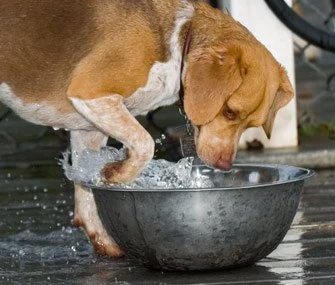
Many dog owners notice their pets pawing at the water bowl, sometimes spilling water in the process. This behavior can seem puzzling, but it is often a normal form of canine communication or instinct. Dogs may paw at their water bowl to test the water depth, make it easier to drink, or simply engage with their environment.
Observing your dog carefully can help determine whether this behavior is playful, instinctual, or indicative of another need. For example, puppies often experiment with their surroundings by using their paws, while older dogs may develop habits from past experiences or learned behaviors.

Thrive Pet Healthcare Specialists North Scottsdale
ScottsdaleMaricopa CountyArizona
17477 N 82nd St, Scottsdale, AZ 85255, USA
2. Play and Exploration Behavior
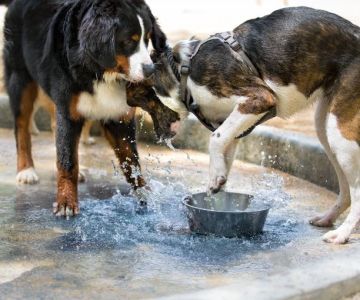
Dogs are naturally curious creatures, and pawing at water can be a form of play. Some dogs enjoy the sensation of water, or they may find entertainment in the movement and reflection of light on the surface. In households with multiple pets, pawing may also become a game or competition.
Consider this scenario: a young Labrador named Max would paw at his water bowl every evening. His owner noticed that this was a form of self-amusement—Max would splash the water and then lap it up. Recognizing it as play rather than frustration helped the owner avoid unnecessary corrections and allowed Max to enjoy his habit safely.

3. Marking Territory and Communication
Dogs sometimes use their paws to communicate or mark territory. By pawing the water or the surrounding area, a dog may leave scent traces from glands in their paws, signaling ownership or comfort in their environment. This behavior is often subtle but more noticeable in multi-pet households or outdoor settings.
In addition, pawing can be a way to signal a need, such as wanting more water or attention. Observing accompanying behaviors—like vocalizations, nudging, or pacing—can help owners interpret these signals accurately.
4. Medical or Comfort-Related Reasons
In some cases, pawing at the water bowl may indicate medical or comfort issues. Dogs with dental discomfort, oral pain, or difficulty swallowing may paw at the water to access it more easily. Similarly, dogs with skin irritations or joint problems might use their paws to adjust their position or reduce strain while drinking.
If pawing is accompanied by excessive drooling, reluctance to drink, or sudden changes in behavior, consulting a veterinarian is recommended. Early attention to potential medical causes ensures the dog’s health and comfort.
5. How to Manage This Behavior
While pawing at the water bowl is often harmless, some owners prefer to minimize messes or encourage calmer behavior. Strategies include:
- Using a weighted or non-spill water bowl to reduce splashing.
- Placing a mat underneath the bowl to catch spills and simplify cleaning.
- Providing interactive water toys for playful dogs to redirect their energy.
- Training gentle drinking habits through positive reinforcement.
Consistency and observation are key. Rewarding calm drinking behavior and providing engaging alternatives can reduce excessive pawing without causing stress for the dog.
6. Expert Tips and Resources
For pet owners looking for reliable products and guidance, Pet & Puppy offers expert advice, high-quality water bowls, and resources to support dog care. From selecting the right bowl to understanding behavioral patterns, trusted platforms help ensure that dogs stay hydrated, healthy, and happy.
By paying attention to subtle cues and combining comfort, play, and safety, dog owners can create a supportive environment while enjoying their pet’s unique personality quirks.



 PetVet Vaccination Clinic0.0 (0 reviews)
 Most Valuable Pets3.0 (991 reviews)
 Town & Country Veterinary Clinic4.0 (256 reviews)
 Helmwood Veterinary Clinic4.0 (577 reviews)
 Dr. Kelly's Surgical Unit - North Phoenix4.0 (747 reviews)
 Vetco Vaccination Clinic3.0 (27 reviews)
 What Every Dog Owner Should Know About Rabies
 Best Canine Probiotics for a Healthy Gut
 Managing Chronic Conditions in Pets: Essential Diet, Medication & Lifestyle Tips
 How to Help Dogs With Fear of New Places
 Best Dog Parks in Major US Cities and Safety Tips
 The Impact of Indoor Air Quality on Pet Respiratory Health