
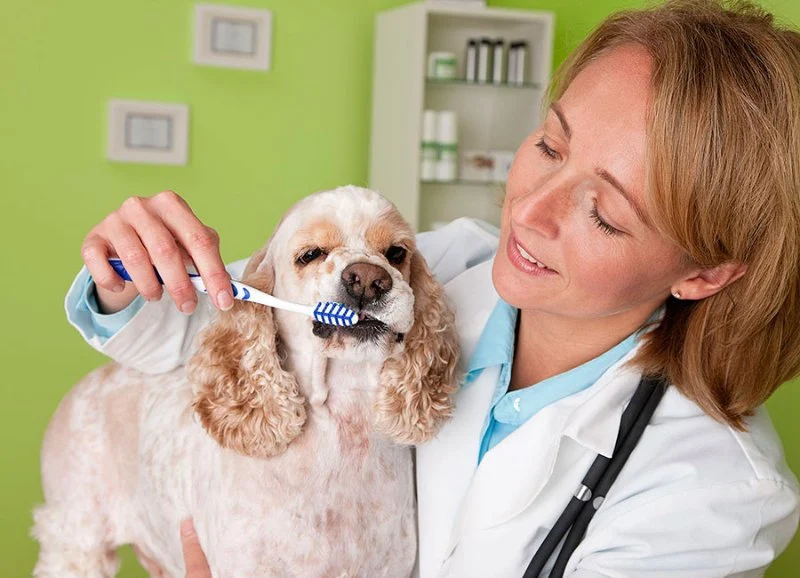
1. Why Home Dental Care for Dogs is Important
Just like humans, dogs need proper dental care to maintain their overall health. Poor oral hygiene can lead to serious issues such as gum disease, tooth loss, and even organ failure. Unfortunately, dental issues in dogs often go unnoticed until they become serious. Regular home dental care can help prevent these problems and keep your dog happy and healthy.

Spencer Town & Country Veterinary Clinic
29 Bob Babbs Rd, Spencer, IN 47460, USA
1.1 The Impact of Poor Oral Health on Dogs
Without regular care, plaque and tartar build-up on your dog's teeth can lead to painful dental conditions. These can lead to bad breath, inflamed gums, and, in some cases, systemic health issues that affect the heart, kidneys, and liver. By regularly brushing your dog's teeth and using dental products, you can help prevent these issues from arising.

Ironwood Animal Hospital, A Thrive Pet Healthcare Partner
San Tan ValleyPinal CountyArizona
85 W Combs Rd #116, San Tan Valley, AZ 85140, USA
2. Best Products for Home Dental Care
To maintain your dog’s dental health, it’s important to have the right products on hand. Here are some of the best options for home dental care:
2.1 Toothpaste and Toothbrush
The foundation of any good dental care routine is brushing your dog's teeth. Human toothpaste should never be used for dogs, as it contains ingredients that are harmful to them. Instead, look for dog-specific toothpaste that is safe to swallow. A good dog toothbrush will make the job easier, but some pet owners prefer finger brushes for a more gentle approach.
2.2 Dental Chews and Treats
Dental chews and treats are a great way to supplement brushing. These products help reduce plaque and tartar while satisfying your dog's natural chewing instincts. Many dental chews are designed to reach the back teeth, where plaque tends to accumulate most. Look for treats with the Veterinary Oral Health Council (VOHC) seal, indicating they’ve been tested for their effectiveness in promoting dental health.
2.3 Water Additives
If your dog isn't fond of brushing, water additives are an excellent alternative. These are added to your dog's drinking water and help fight bacteria, reduce plaque, and freshen breath. While they shouldn’t replace brushing, they can be a good way to keep your dog’s teeth in check between brushings.
3. Step-by-Step Guide to Brushing Your Dog’s Teeth
Brushing your dog’s teeth may seem like a daunting task, but with patience and the right technique, it becomes a simple and effective part of your pet's daily routine.
3.1 Getting Your Dog Used to Teeth Brushing
Start by getting your dog accustomed to having their mouth touched. Gently lift their lips and touch their teeth with your finger or a soft cloth. Gradually introduce the toothbrush and toothpaste, allowing your dog to lick the toothpaste off as a reward. This positive reinforcement will help them associate brushing with a treat.
3.2 Brushing Technique
Use gentle, circular motions to brush your dog's teeth. Focus on the outer surfaces of their teeth, as these are where plaque and tartar build up. Be sure to brush along the gum line, but avoid brushing too hard, as this can cause discomfort. If your dog has a sensitive mouth, start with short brushing sessions and gradually increase the duration.
3.3 Frequency of Brushing
Ideally, you should brush your dog’s teeth daily. However, brushing at least 2-3 times per week can still help maintain their oral health. Consistency is key, as regular brushing prevents plaque build-up and helps your dog avoid costly dental procedures.
4. Additional Techniques for Maintaining Your Dog’s Dental Health
Besides regular brushing, there are other techniques and products that can help maintain your dog's dental hygiene.
4.1 Regular Vet Check-Ups
Even with a thorough home dental care routine, it's important to schedule regular check-ups with your vet. They will examine your dog’s teeth and gums and may recommend professional cleanings if necessary. Regular dental exams can help catch issues early before they become serious problems.
4.2 Dental Toys
Providing your dog with dental toys that are designed to clean teeth while they chew can help keep their mouth healthy. These toys massage the gums, remove food particles, and reduce plaque buildup. Look for toys made of durable, safe materials to avoid choking hazards or tooth damage.
5. Common Dental Issues in Dogs and How to Prevent Them
Dental problems in dogs are common, but they can be easily prevented with proper care. Below are some of the most common dental issues and how to avoid them:
5.1 Gingivitis
Gingivitis is the earliest stage of gum disease and occurs when plaque builds up along the gum line. It can cause red, swollen gums and bad breath. Brushing your dog’s teeth regularly is the best way to prevent gingivitis. If you notice signs of gingivitis, visit your vet for professional treatment.
5.2 Periodontal Disease
If gingivitis is left untreated, it can progress to periodontal disease, which affects the structures supporting the teeth. This condition can lead to tooth loss and other severe health issues. Regular home care and professional cleanings are essential for preventing this condition.
6. Dental Health Tips for Specific Dog Breeds
Some dog breeds are more prone to dental issues than others. Small dogs and brachycephalic breeds (such as Bulldogs and Pugs) tend to develop more plaque and tartar. Special dental care is needed for these breeds to prevent complications. Consult your vet for advice on breed-specific dental care routines.
7. When to See the Vet for Dental Problems
If you notice that your dog is having difficulty eating, has persistent bad breath, or shows signs of pain in their mouth (such as pawing at their face), it’s time to visit the vet. Early detection of dental issues can prevent serious health problems down the road.




 PetVet Vaccination Clinic0.0 (0 reviews)
 Pork Veterinary Solutions5.0 (2 reviews)
 Westgate Veterinary Hospital4.0 (425 reviews)
 South Point Animal Clinic4.0 (214 reviews)
 St. Matthews Animal Clinic4.0 (386 reviews)
 Moon Valley Animal Hospital4.0 (285 reviews)
 How Pet Recovery Rooms Are Being Designed in Modern Clinics
 The Adoption of Wearable EKG / Heart Monitors for Dogs & Cats – Benefits & Insights
 How to Handle Pet Jealousy When You Have More Than One Pet
 How to Recognize and Treat Lice or Mites in Pets
 Understanding Flea, Tick & Mosquito Risks for Pets in 2025
 How to Build Confidence in a Shy Pet