
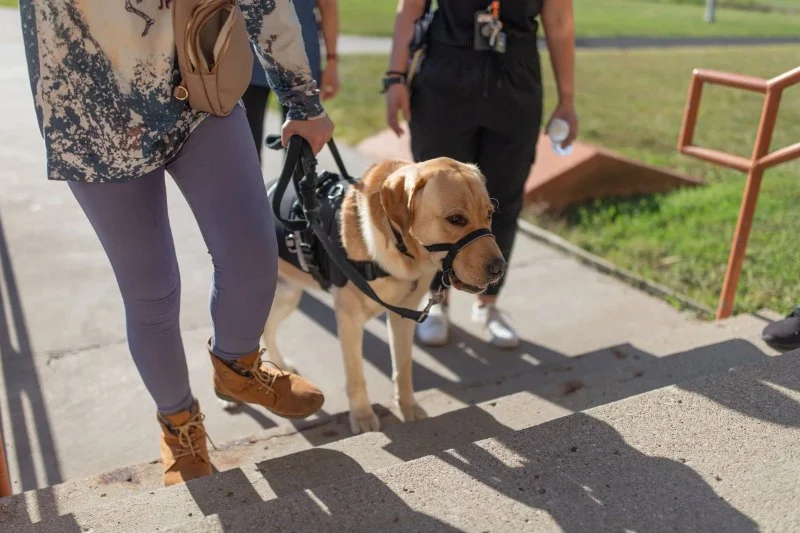
How to Help Dogs With Mobility Issues: Tips and Solutions
- Understanding Mobility Issues in Dogs
- Common Causes of Mobility Problems in Dogs
- Solutions for Helping Dogs with Mobility Issues
- Real-Life Stories: How Mobility Aids Helped Dogs
- Expert Advice on Managing Dog Mobility
1. Understanding Mobility Issues in Dogs
Mobility issues in dogs can significantly impact their quality of life, making it difficult for them to perform everyday activities like walking, playing, or even climbing stairs. These issues are most commonly seen in older dogs, but they can also affect younger dogs due to injuries or genetic conditions.
It’s important to recognize the signs of mobility problems early so that you can seek appropriate treatment and provide your dog with the best possible care. Common signs include limping, difficulty standing up, slow movement, or avoiding exercise.

2. Common Causes of Mobility Problems in Dogs
There are several reasons why a dog might experience mobility issues. Some of the most common causes include:
- Arthritis: The most common cause of mobility issues in older dogs, arthritis leads to pain and inflammation in the joints, making movement difficult.
- Hip Dysplasia: A genetic condition where the hip joint doesn’t develop properly, leading to pain and discomfort.
- Intervertebral Disc Disease (IVDD): A condition that affects the spine, often leading to severe back pain or paralysis in some cases.
- Injury or Surgery: Trauma, fractures, or surgery recovery can cause temporary or permanent mobility problems in dogs.
3. Solutions for Helping Dogs with Mobility Issues
Fortunately, there are several ways to help dogs with mobility issues. These solutions range from lifestyle changes to mobility aids that can make a big difference in your dog’s comfort and activity levels.

3.1 Joint Supplements
Joint supplements are a popular option for dogs with arthritis or other joint issues. These supplements typically contain glucosamine, chondroitin, and other ingredients that help improve joint health and reduce inflammation. Many pet owners report seeing improvements in their dog’s mobility after consistent use of these supplements.
3.2 Mobility Aids
Mobility aids, such as dog wheelchairs, ramps, or harnesses, can significantly improve your dog’s ability to move around. Dog wheelchairs, in particular, are designed to support dogs with severe mobility issues, giving them the ability to move freely while maintaining a comfortable position.
Other mobility aids include:
- Ramps: A great solution for helping dogs climb stairs or get into vehicles without straining their joints.
- Support Harnesses: These are useful for helping dogs stand up or walk short distances without putting excessive strain on their joints.
3.3 Physical Therapy
Physical therapy is an excellent way to rehabilitate dogs with mobility issues, especially following surgery or injury. A professional pet physiotherapist can create a tailored exercise program to strengthen your dog’s muscles, improve flexibility, and enhance mobility.
4. Real-Life Stories: How Mobility Aids Helped Dogs
Many pet owners have shared success stories about how mobility aids improved their dog’s quality of life. For example, Sarah, an owner of a senior dog with arthritis, shares her experience: “When I noticed my dog, Max, having trouble walking, I decided to try a joint supplement and a dog wheelchair. It was amazing to see him moving around so much better! The wheelchair gave him the freedom to move, and the joint supplement helped with his pain.”
Stories like Sarah’s highlight the positive impact that the right tools and treatments can have on a dog’s well-being.
5. Expert Advice on Managing Dog Mobility
If your dog is experiencing mobility issues, it’s essential to consult with a veterinarian to identify the underlying cause. Your vet can recommend a treatment plan tailored to your dog’s specific needs, whether it’s medication, physical therapy, or mobility aids.
Dr. Jane Peterson, a renowned veterinarian, advises: “Early intervention is key. If you notice your dog slowing down or avoiding certain activities, consult with your vet. There are many ways to manage mobility problems and improve your dog’s quality of life.”
Conclusion
Helping a dog with mobility issues requires patience and care, but with the right approach, you can significantly improve their comfort and mobility. From joint supplements to mobility aids and physical therapy, there are numerous ways to support your dog and give them a better life.
If you’re looking for the best mobility aids for your dog, be sure to check out Pet & Puppy for expert recommendations and top-quality products designed to help dogs with mobility issues.





 Purrfurred Pets Veterinary Clinic4.0 (366 reviews)
 VIP Petcare Vaccination Clinic0.0 (0 reviews)
 PupGear Pet Products0.0 (0 reviews)
 Dr Carr's Pet Repair4.0 (121 reviews)
 Doerr Animal Clinic4.0 (567 reviews)
 Olive Animal Hospital4.0 (52 reviews)
 Dangerous Foods for Pets: What to Avoid Feeding and How to Keep Your Pet Safe
 Pet Insurance 101: What It Covers & When It Pays
 Why Is My Dog Scratching Its Ears So Much? Common Causes and Solutions
 Pet Scents & Aromatherapy: What’s Safe and What’s Not
 Essential Vitamins & Minerals Pets Need for Healthy Living
 Crate Training 101: Simple Steps for Stress-Free Success