
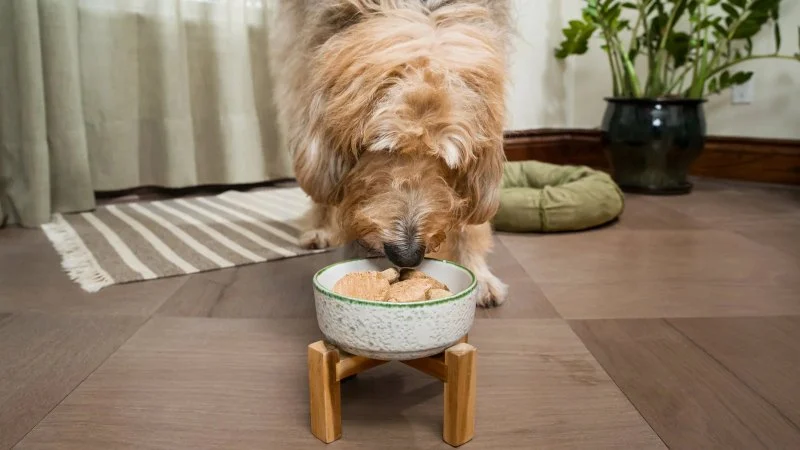
Understanding Sensitive Stomachs in Dogs
Many dogs experience digestive issues that can lead to discomfort after meals. Just like humans, dogs can suffer from sensitive stomachs, which can manifest as nausea, vomiting, diarrhea, or general digestive upset. Sensitive stomachs in dogs are a common concern among pet owners and can often lead to changes in behavior or appetite. Understanding the causes of these issues and how to manage them can help improve your dog's health and well-being.
In this article, we’ll explore the common causes of sensitive stomachs in dogs, the symptoms to watch for, and effective solutions to help your dog feel better after meals. Whether it's a minor digestive upset or a more persistent issue, there are ways to relieve your dog's discomfort and ensure they are happy and healthy.
Common Causes of Sensitive Stomachs in Dogs
There are several reasons why your dog may experience digestive upset after meals. Understanding these causes is the first step in finding the right solution for your pet’s sensitive stomach.
- Dietary Changes: Sudden changes in your dog's diet can lead to gastrointestinal distress. This includes switching brands of food, introducing new treats, or even changing the type of food your dog eats.
- Food Sensitivities and Allergies: Some dogs are sensitive to certain ingredients in their food, such as dairy, grains, or beef. These sensitivities can cause stomach discomfort, bloating, or even vomiting.
- Infections or Parasites: Bacterial infections, parasites, or viruses can cause stomach upset and diarrhea in dogs. These issues often require veterinary treatment to resolve.
- Stress and Anxiety: Just like humans, dogs can experience digestive problems related to stress. Changes in routine, travel, or even loud noises can lead to anxiety, which can upset their stomachs.
- Overeating or Eating Too Quickly: Dogs that overeat or eat too quickly can suffer from indigestion or bloating. This can be uncomfortable and lead to a range of digestive symptoms.
Symptoms of Digestive Issues in Dogs
It’s important to recognize the signs of a sensitive stomach in your dog so that you can take steps to help them feel better. Here are some common symptoms to look for:
- Vomiting: If your dog vomits regularly after meals, this may indicate an underlying issue such as food sensitivity or a digestive infection.
- Diarrhea: Frequent loose stools or diarrhea after eating can be a sign of an upset stomach or food intolerance.
- Lethargy: A dog with a sensitive stomach may feel sluggish or tired due to discomfort from digestive issues.
- Excessive Gas or Bloating: If your dog experiences bloating or produces excessive gas after meals, this could be a sign of indigestion or an intolerance to certain foods.
- Loss of Appetite: If your dog is avoiding food or has a reduced appetite after eating, it may indicate that their stomach is bothering them.
How to Help Dogs with Sensitive Stomachs
If your dog has a sensitive stomach, there are several steps you can take to help ease their discomfort and improve their digestive health. Here are some tips:
- Maintain a Consistent Feeding Schedule: Feeding your dog at the same times every day can help regulate their digestion and reduce the chances of an upset stomach. Avoid sudden changes in their feeding routine.
- Small, Frequent Meals: Instead of feeding your dog one large meal, try offering smaller portions more frequently throughout the day. This can help prevent overeating and reduce digestive stress.
- Slow Down Their Eating: If your dog eats too quickly, consider using a slow-feed bowl or puzzle feeder. This will encourage them to eat at a slower pace, which can reduce bloating and indigestion.
- Hydration: Ensure that your dog has access to fresh water at all times. Dehydration can worsen digestive issues, so encourage your dog to drink regularly.
- Provide a Calm Eating Environment: Minimize distractions and noise during mealtime to help your dog eat in a relaxed atmosphere. Stress can exacerbate digestive issues, so a calm environment is crucial.
Dietary Tips for Dogs with Sensitive Stomachs
The right food can make a significant difference in managing your dog's sensitive stomach. Here are some dietary tips to consider:
- Choose Easily Digestible Food: Look for dog food that is formulated for sensitive stomachs. These foods often contain highly digestible proteins like chicken or lamb and have fewer fillers like grains or dairy.
- Avoid Common Allergens: If your dog has food sensitivities, try avoiding common allergens like beef, soy, or dairy. Consider hypoallergenic dog food options that use novel protein sources like venison or duck.
- Consider Probiotics: Probiotics can help improve gut health and digestion in dogs. Some dog foods include probiotics, or you can consult your vet about adding a probiotic supplement to your dog’s diet.
- Feed Bland Foods for Upset Stomachs: If your dog has an upset stomach, try feeding them bland, easily digestible foods like boiled chicken and rice. This can help soothe their stomach and allow them to recover.
Real-Life Experiences with Sensitive Stomachs
Many pet owners have dealt with their dogs’ sensitive stomachs and found solutions that worked for them. Here are a couple of real-life stories:
"My dog, Rocky, had constant stomach issues and would vomit after almost every meal. After switching to a high-quality, easily digestible food and introducing probiotics, his stomach issues cleared up, and he’s now much happier after meals." – Sarah P., Dog Owner
"Bella used to be extremely picky with food and had a lot of digestive issues. After I switched her to a hypoallergenic diet and started feeding her smaller, more frequent meals, her stomach problems have significantly improved." – Mike L., Pet Parent
When to Consult a Vet for Your Dog’s Stomach Issues
While most cases of sensitive stomachs in dogs can be managed with diet and lifestyle adjustments, it’s important to consult a veterinarian if the symptoms persist or worsen. A vet can help determine if there’s an underlying medical condition causing the digestive upset and provide appropriate treatment or medication. If your dog shows signs of severe dehydration, lethargy, or weight loss, seek immediate veterinary care.
Early intervention is key to ensuring your dog’s digestive health and overall well-being.






 Banfield Pet Hospital3.0 (25 reviews)
 Pet Smiles General Veterinary Dentistry4.0 (29 reviews)
 Companion Pet Clinic of Gold Canyon4.0 (287 reviews)
 AAWL Community Vet Clinic4.0 (439 reviews)
 Veterinary Outpatient MRI0.0 (0 reviews)
 Woodridge Veterinary Hospital4.0 (236 reviews)
 How to Prevent and Treat Hot Weather Rash in Dogs
 How to Save Money on Pet Medical Costs Without Cutting Quality
 Why Do Dogs Chase Their Tail? Behavior Causes
 How to Maintain Good Gut Health in Pets
 Housebreaking Your Puppy: Strategies That Work
 How to Handle Cat Scratching Behavior: Effective Deterrents & Alternatives