
Pet Emergency Clinic Route Plan: Call, Transport, and Arrive
On this page
Quick answer
Save a primary and backup veterinary emergency hospital with verified address, phone, current hours, species served, entry instructions, and route from home. Keep the regular veterinarian's details, pet identification, current medications, allergies or reactions, major conditions, weight, insurance information, poison-control contacts, and authorized decision-maker in an accessible emergency card.
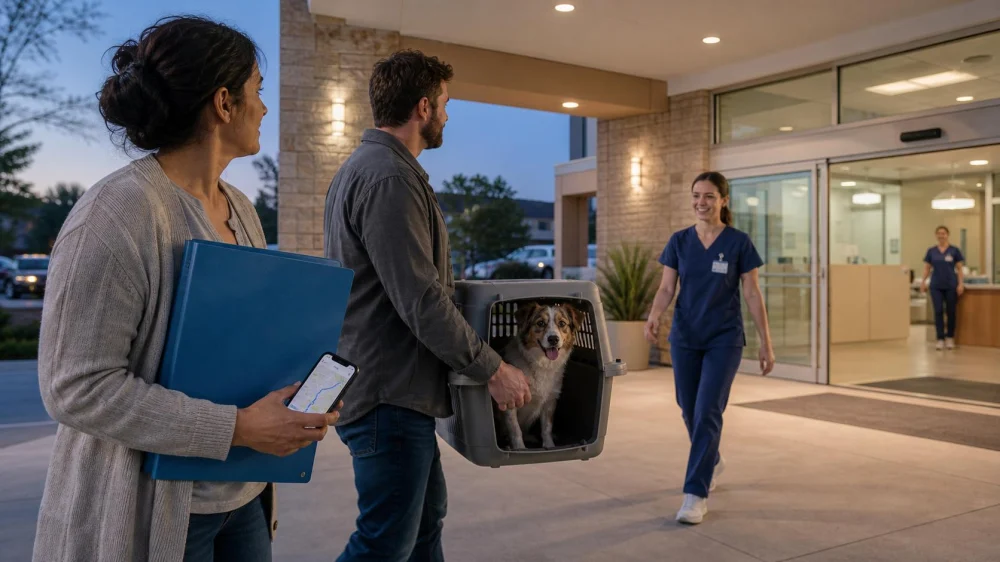
Call the veterinarian or emergency hospital so the team can prepare, unless making the call would dangerously delay immediate transport; use hands-free help from another adult when possible. Secure the pet in an appropriate carrier or restraint, drive carefully, and follow professional directions. Do not give food, drink, human medicine, induce vomiting, or attempt treatment unless a veterinarian or animal poison professional directs it.
Marketside Animal Hospital at Verrado
20785 W McDowell Rd, Buckeye, AZ 85396, USA
Verify a primary and backup clinic
Do not rely on an old search result. Call the clinic in advance during ordinary planning and confirm whether it provides 24-hour care, overnight hospitalization, surgery, imaging, exotic or large-animal service, and the level of emergency care relevant to your pets.
Record the exact entrance, parking area, after-hours door, call-on-arrival process, and accessibility. Some hospitals triage curbside or use a different nighttime entrance.
Choose a backup in another direction in case the primary is full, closed, diverted, affected by weather, or unable to treat the species or problem. Recheck the list every six months and before travel.
IndyHumane Downtown Clinic
IndianapolisMarion CountyIndiana
456 N Holmes Ave, Indianapolis, IN 46222, USA
Build a pet-specific information card
Create one card for each pet:
- name, species, breed or description, age, sex, reproductive status, and current weight;
- microchip number and registry contact without publishing it;
- regular veterinarian and specialists;
- medical conditions, surgeries, allergies, adverse reactions, and behavior or handling warnings;
- all medications and supplements with label details and last known dose time;
- vaccination and relevant test records;
- insurance policy and claim contact;
- owner and authorized emergency decision-maker contacts.
Date the card. A stale medication list can be misleading, so update it after every veterinary change.
Prepare safe transport equipment
Keep a clean, intact carrier sized for the pet and a leash, harness, muzzle only when appropriate and trained, towels, blanket, disposable gloves, flashlight, and veterinarian-approved first-aid supplies together. Inspect carrier doors, latches, ventilation, base, and handles.
An injured or frightened pet may bite or scratch even if normally gentle. Keep your face away from the mouth, move slowly, and do not force handling that puts people at serious risk. Call the clinic for transport advice.
Do not use an ordinary leash as a vehicle restraint. Secure carriers so they cannot slide or open, keep pets separated when needed, and make sure cats and small animals cannot escape when a car door opens.
Make the call with useful details
State your name, pet species and approximate size, current location, what happened, when it happened, current signs, known conditions, medications, possible toxin or object, and estimated arrival time. Answer triage questions briefly and accurately.
For a possible poisoning, keep the product container, label, plant photo, substance name, approximate amount, exposure route, time, pet weight, and symptoms available. Do not induce vomiting or give a home remedy unless directed.
Ask whether to go directly to that hospital, use another facility, take any immediate step, bring packaging or samples, and call from the parking lot. Write down instructions or ask a second person to listen.
Travel without creating another emergency
Use a sober driver. A second adult can monitor the pet, call the clinic, navigate, and manage doors. If alone, secure the pet before moving the vehicle and pull over safely for communication.
Drive within traffic laws. Panic, speeding, phone use, or holding an animal while driving can harm the pet, occupants, and other road users. Tell the clinic if traffic or weather changes arrival time.
Maintain ventilation and a comfortable temperature without directing extreme heat or cold at the pet. Do not open the carrier on the roadside or in an unsecured parking area.
Prepare for arrival and handoff
Follow the hospital's arrival instructions. Keep the pet contained until staff directs otherwise. State any bite risk, breathing problem, toxin, trauma, bleeding, seizure, collapse, or infectious concern immediately.
Hand over the emergency card, medication containers or photos, product packaging, relevant veterinary records, and insurance details. Separate factual observations from guesses: “vomited twice at 7:10 and 7:25” is more useful than an unconfirmed diagnosis.
Ask who will update you, how estimates and consent work, what contact number to keep available, and where to wait. Emergency teams triage by medical urgency, not arrival order.
Frequently asked questions
Should I always call before leaving?
Calling helps the hospital prepare and confirm availability. In a life-threatening situation, do not let a difficult call create dangerous delay; have another person call during transport when possible.
Can I use my regular veterinary clinic?
Ask about its emergency and after-hours process. It may direct patients to a separate hospital outside normal hours.
Should I give my pet food before the trip?
Do not give food, water, or medication unless the veterinary team directs it. Procedures or the condition may affect what is appropriate.
Can I bring another pet for comfort?
Usually leave other pets safely at home unless the clinic says they also need evaluation. Extra animals can complicate transport and waiting.
What if the clinic says it is full?
Ask where to go next and call the backup while moving safely. Maintain an updated second and third option.
Official source and medical limits
The American Veterinary Medical Association's Pet First Aid brochure includes a pet emergency-information form and advises calling the veterinarian or local veterinary hospital so staff can be ready. It also emphasizes prompt veterinary care, careful transport, and professional direction for suspected poisoning.
This route plan cannot determine whether a sign is an emergency, stabilize a pet, or replace veterinary care. Ask your veterinarian for pet-specific thresholds and first-aid training. For collapse, severe breathing trouble, uncontrolled bleeding, seizure, major trauma, suspected poisoning, or another urgent change, seek veterinary direction immediately.
Next steps
Call your regular veterinarian for its after-hours referral, verify two emergency hospitals, and drive the route once without the pet. Print one updated card per animal, place copies in the carrier and secure phone storage, inspect transport equipment, and add a six-month reminder to reconfirm hours and services.
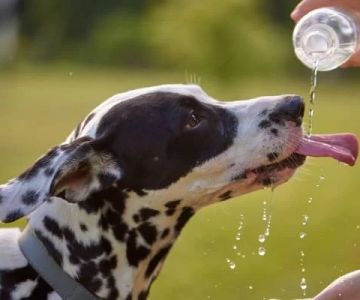
 Franklin Animal Clinic4.0 (841 reviews)
 101 SPAY & NEUTER OF SCOTTSDALE4.0 (9 reviews)
 Grants Lick Veterinary Hospital4.0 (538 reviews)
 Avalon Pet Wellness Clinic4.0 (325 reviews)
 Hartland Park Animal Hospital4.0 (201 reviews)
 Veterinary Acupuncture and Alternative Medicine in Phoenix5.0 (30 reviews)
 How to Turn a Pet Health Obsessed Owner Into an Informed Owner
 How to Teach Dogs to Relax on Cue – Effective Techniques
 Best Puppy Supplements for Growth and Immunity | Pet & Puppy
 Ear Infections in Dogs: Prevention, Treatment, and Aftercare
 Why Do Dogs Flick Their Ears When Listening? Meaning Explained
 What to Ask Before Boarding Your Pet: Vet & Staff Questions | Pet & Puppy