

How to Help Dogs With Fear of New Places
- Understanding Dog Fear of New Places
- Common Causes of Fear in Dogs
- Effective Strategies to Help Dogs Overcome Fear
- Gradual Exposure Techniques for Easing Anxiety
- Training Tips for Anxiety-Prone Dogs
- Conclusion
1. Understanding Dog Fear of New Places
Just like humans, dogs can experience fear and anxiety when faced with new environments. Whether it's a new park, a friend's house, or even a trip to the vet, many dogs become overwhelmed in unfamiliar situations. Understanding this fear is the first step toward helping your dog feel more comfortable in new places.
Dogs are creatures of habit, and they often feel more secure in familiar surroundings. New places with unfamiliar smells, sounds, and sights can trigger stress. Some dogs are naturally more anxious than others, and even a small change in routine or environment can be unsettling.

2. Common Causes of Fear in Dogs
Fear of new places in dogs can stem from several factors. Some common causes include:
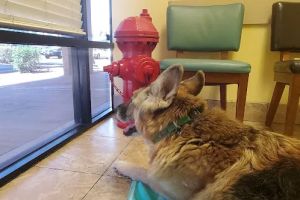
2.1 Lack of Socialization
Dogs who haven't been properly socialized during their early developmental stages may be more prone to anxiety when exposed to new environments. Lack of exposure to different people, places, and situations can lead to a fearful response when they encounter something unfamiliar.
2.2 Traumatic Experiences
If a dog has had a traumatic experience in a particular place or with certain stimuli, they may develop a fear of similar situations. For instance, a dog that was scared during a visit to the vet may develop an aversion to all veterinary clinics, even if the current one is different.
2.3 Genetic Factors
Some dogs are simply more predisposed to anxiety due to their breed or genetic makeup. Certain breeds, especially those bred for herding or guarding, may be more sensitive to changes in their environment.
3. Effective Strategies to Help Dogs Overcome Fear
Helping your dog manage its fear of new places requires patience, consistency, and the right approach. Below are some strategies that can be effective in easing their anxiety:
3.1 Create a Calm Environment
Before introducing your dog to a new place, ensure that they are in a calm state of mind. Take them for a walk or engage in a relaxing activity before the trip to help them feel more grounded.
3.2 Positive Reinforcement
One of the most powerful tools in helping a dog overcome fear is positive reinforcement. Whenever your dog shows calm behavior in a new place, reward them with treats, praise, or their favorite toy. This reinforces the idea that new places aren't something to fear.
3.3 Gradual Exposure
Gradually exposing your dog to new environments can be very helpful. Start by visiting a place that’s slightly outside their comfort zone and allow them to explore at their own pace. Over time, increase the level of challenge, always ensuring that they feel safe and in control.
4. Gradual Exposure Techniques for Easing Anxiety
Gradual exposure is one of the most effective ways to reduce your dog’s anxiety. The key to success with this technique is to take it slow, and not rush the process. Here’s how you can do it:
4.1 Step-by-Step Introduction
Start by introducing your dog to a mildly unfamiliar environment. For example, you might begin with a quiet neighborhood park before progressing to busier or more crowded places. Make sure to give your dog plenty of time to adjust to each step, and don’t force them into situations where they feel overwhelmed.
4.2 Desensitize to New Stimuli
Expose your dog to new sights, sounds, and smells in a controlled manner. This could include playing recordings of unfamiliar noises or slowly introducing them to new smells at home before going out into the world.
4.3 Short, Frequent Visits
Short, frequent visits to new places can help desensitize your dog without overwhelming them. Make the trips enjoyable by incorporating positive activities, like playtime or treats, to help them associate the place with good experiences.
5. Training Tips for Anxiety-Prone Dogs
Training can play a crucial role in helping dogs overcome their fear of new places. Here are some training tips that can be helpful for anxious dogs:
5.1 Obedience Training
Basic obedience training can help your dog feel more confident and controlled in any situation. Commands like "sit," "stay," and "come" can provide structure and security when your dog is feeling anxious in a new place.
5.2 Counter-Conditioning
Counter-conditioning is a technique where you change your dog’s emotional response to a fear-inducing stimulus. For example, if your dog is afraid of the car, you can start associating car rides with something positive, like a fun trip to a dog park or a treat at the destination.
5.3 Work with a Professional
If your dog’s fear of new places is severe or persistent, it may be helpful to work with a professional dog trainer or behaviorist. They can provide personalized guidance and strategies to address your dog’s specific needs.
6. Conclusion
Helping a dog with fear of new places requires patience and a thoughtful approach. By understanding the causes of their anxiety and applying gradual exposure, positive reinforcement, and effective training, you can help your dog become more comfortable and confident in unfamiliar environments. If you're looking for more helpful tips or products to assist with your dog's anxiety, visit Pet & Puppy for expert recommendations and resources.





 Southern Equine Veterinary Services4.0 (34 reviews)
 Family VetCare of Chandler4.0 (132 reviews)
 VIP Petcare Vaccination Clinic4.0 (2 reviews)
 MedVet Lexington3.0 (619 reviews)
 Noah's Ark Animal Hospital4.0 (163 reviews)
 Scottsburg Pet Center4.0 (123 reviews)
 Best Travel Gear for Pets: Crates, Carriers & Safety Options
 How to Train a Service Dog: Basics & Considerations
 DIY Frozen Treats for Pets: Recipes & Safety Tips
 How to Use Behavior Tracking Apps for Pets: Monitor Health & Behavior
 How to Integrate Smart Home Devices for Pet Wellness
 Freeze-Dried" Pet Food Trend: Is It Worth It?